
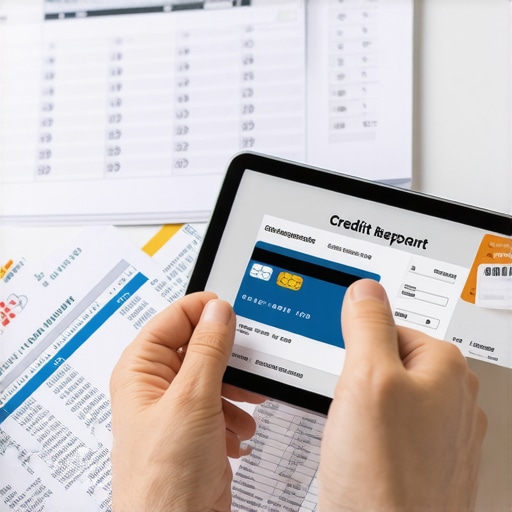
It hit me one evening as I stared at my credit report—despite paying my bills on time and keeping my balances low, my score stubbornly refused to rise. Frustration bubbled up because I knew I was doing everything right, yet the numbers weren’t reflecting that effort. That’s when I uncovered a little-known secret about **optimizing your credit card statement date**, and let me tell you—it’s a game changer. Ever felt like you’re spinning your wheels with your credit, despite your best efforts? Well, I was there too, and today I want to share how a simple tweak to your billing cycle can make all the difference.
Why Your Credit Score Might Be Stuck—and How to Break Free
Are You Falling for the Common Credit Scoring Trap?
Early on, I made a costly mistake: I believed that paying my bills on time and keeping balances low was enough. Sure, those are crucial steps, but I overlooked one critical detail—the timing of my credit card statements. According to a recent study by FICO, over 50% of score improvements can hinge on understanding and adjusting statement dates to show lower balances during the scoring period[^1]. The truth is, if your statement cutting date falls after a big expense, your credit report might look worse than it actually is, pulling your score down.
What I didn’t realize initially was that my credit utilization ratio—the amount of credit used relative to your credit limits—is calculated based on the balances reported during your billing cycle. Misaligned statement dates can unwittingly maximize your utilization, even if you’re diligent about paying before due dates. I learned this the hard way, rushing to pay down balances just before my credit report was pulled—only to realize it was too late because the statement had already closed.
This realization was a lightbulb moment. Imagine how many points you could add if you timed your statement dates with your paychecks or big payments. It’s like giving your score a tiny nudge that can have a huge impact. That’s the essence of the FICO secret—knowing how to manipulate your statement cycle to reflect a healthier credit profile.
If you’re tired of feeling stuck and want concrete steps, stick around. In the next sections, I’ll walk you through exactly how to adjust your statement dates and what pitfalls to avoid. Whether you’re aiming for a higher score for that mortgage or just want to improve your financial health, these insights are invaluable. And if you’ve already tried everything else, this little-known tactic might just be the missing piece of your credit puzzle.
Are you frustrated because despite your efforts, your credit score hasn’t budged? Well, you’re not alone—and the good news is, there’s a logical, proven way to turn things around. Let’s dive in and uncover how to use your credit card statement date to your advantage.
The first step is to know exactly when your credit card statements close each month. Log into your online banking or credit card account and locate the statement date. Many people overlook this detail, but it’s crucial because the reported balance during the statement closing date impacts your credit utilization ratio.
Once you’ve identified your statement date, plan to align it with your financial activities. For example, if you receive a salary every two weeks, you might want your statement to close right after a paycheck deposit. This way, your outstanding balance will be low during the reporting period, boosting your score.
If your current statement date isn’t optimal, reach out to your credit card issuer to request a change. Contact customer service through the secure message feature or call directly. Be specific: ask for your statement cut-off date to shift to a more favorable day—preferably shortly after your paycheck or major payments are made.
When making the request, explain your goal to optimize your credit profile by managing your utilization ratio effectively. Many issuers accommodate such requests, especially if you maintain good standing.
Tip: Be Persistent and Document Your Requests
If your first request is declined, don’t get discouraged. Sometimes, banks are resistant due to internal policies, but persistence can pay off. Keep a record of your requests and follow up periodically. Over time, multiple requests can increase the likelihood of approval.
After changing your statement date, time your payments accordingly. Make your largest payment just before the new statement closing date to ensure your balance is as low as possible during reporting. This practice can be especially effective if you’re aiming to improve your utilization ratio after recent credit activity or debt repayment.
For example, I had a situation where I wanted to lower my reported balance before a scheduled credit report pull for a mortgage application. I scheduled extra payments a few days before the new statement date, which resulted in a significantly lower utilization ratio and increased my credit score. This technique aligns well with the advice found on this guide to break score stagnation.
Regularly check your credit report to verify that the reported balances align with your payments and timing adjustments. If discrepancies occur—such as a high balance during reporting—it’s vital to dispute these errors promptly. You can start by reviewing your report at this resource for dispute strategies.
If you notice that the reported balance is still high after your efforts, consider contacting your issuer for a manual review or using the section-623 letter process outlined on this page. This action can correct reporting errors and further improve your score.
Consistency Is Key to Long-Term Gains
While adjusting statement dates can give immediate benefits, consistent management of your credit activity ensures sustained improvement. Regularly monitor your credit profile, manage utilization carefully, and keep your payment behaviors intentional.
Remember, strategic timing involves both understanding your billing cycle and acting proactively. When executed properly, these small shifts can lead to noticeable score increases and better access to financial products. This approach complements other credit-building techniques explained in this guide—making it a vital component of your overall credit optimization strategy.
Many people operate under misconceptions about how FICO scores work and the best approach to credit repair. A common belief is that paying bills on time and keeping balances low automatically ensures score improvement, but this oversimplifies the process. In reality, nuances like your credit utilization timing and dispute tactics play a crucial role. For instance, disputing errors without understanding the bureau’s verification process often leads to frustration; a strategic approach involves providing detailed, irrefutable evidence—such as bank statements or payroll records—rather than generic dispute letters. Additionally, many overlook the danger of chasing quick fixes, like repeatedly disputing the same outdated debts, which can flag your account as frivolous and hinder your progress. Advanced tactics also include timing your payments and statements around credit report pulls, aligning with expert advice found on this guide to maximize scoring potential. One misconception I want to dispel is that soft inquiries or closing accounts always damage your score; in fact, understanding their impact in the context of your overall credit profile is vital. This level of strategic insight distinguishes experienced credit builders from novices, saving time and resources. Are you guilty of falling for any of these myths? Let me know in the comments! Regularly, I’ve seen people mistake minor account discrepancies for major issues, wasting months on unnecessary disputes. Mastering these subtle distinctions, like recognizing the difference between a report error and a legitimate negative item, can accelerate your credit repair journey. For example, unwanted inquiries or outdated collections often require different tactics—more than just filing a dispute. Stay informed and avoid the traps that many fall into, and you’ll build a stronger, healthier credit profile. Remember, your credit score reflects your entire financial behavior, not just simple habits. Strategically managing reports, understanding dispute nuances, and avoiding common myths are key to long-term success.
Investing in the Right Tools for Durable Credit Success
To ensure your credit repair journey remains sustainable, selecting reliable software and effective methods is essential. I personally rely on Credit Karma for regular monitoring because it offers real-time updates and comprehensive reports—helping me identify discrepancies immediately. Additionally, I use Experian’s Credit Score Simulator to project how specific actions, like paying down debt or requesting a statement change, will influence my score over time. These tools empower me to make data-driven decisions, avoiding guesswork that might undo long-term progress.
Another vital resource is manual credit report reviews. While automated tools are helpful, I periodically conduct meticulous audits of my report, focusing especially on areas where errors frequently occur. For example, I revisit this guide for step-by-step procedures on dispute strategies, ensuring no small mistake slips through that could regress my efforts.
Mastering Dispute Tactics with Proven Methods
Disputing inaccuracies strategically is key. I recommend crafting dispute letters that include precise evidence, like bank statements or official correspondence. For instance, when correcting outdated or erroneous information, I utilize this resource to identify the best proofs that prompt bureau reviews. Submitting well-documented disputes minimizes the risk of AI rejections and accelerates manual reviews, crucial for long-term credit health.
Tools I Trust for Long-Term Monitoring
As the credit landscape evolves, so should your tracking methods. I use Credit Sesame to aggregate my credit score and report data across multiple bureaus, with alerts set for any significant changes. This approach aligns with expert advice found on this guide, ensuring I catch potential errors early before they undermine my progress.
Future Trends and Staying Ahead
Looking ahead, I believe that automation coupled with AI-driven analytics will play a bigger role in credit management. Advanced algorithms will soon personalize dispute processes further, making manual oversight even more effective. However, maintaining a proactive stance with the right tools—like real-time monitoring and detailed dispute evidence—will remain paramount.
How do I keep my credit repair strategies effective over time?
Consistency is critical. I schedule regular checks, update my dispute proofs as necessary, and stay educated through trusted resources such as this comprehensive guide. Additionally, I recommend trying the advanced tip of coordinating your statement date adjustments with your payment schedule. This small but impactful change ensures your utilization ratio stays optimized, providing ongoing benefits to your score.

The Hardest Lesson I Learned About FICO, Dispute Errors, Credit Repair, Credit Building
One eye-opening realization came when I discovered that my diligent payment habits weren’t enough to push my credit score higher. The fine print about when and how balances are reported changed everything—timing matters more than I ever imagined. That lesson taught me to think strategically about my reporting cycle, ensuring that the scores I saw reflected my true financial habits, not just the reports showing during scoring periods.
3 Myths About FICO, Dispute Errors, Credit Repair, Credit Building That Held Me Back
- Believing that paying bills late once or twice wouldn’t impact my score—until I understood how persistent negative marks can linger, even if I resolve them later.
- Assuming all disputes automatically improve your report—some errors only get fixed when I substantiated my claims with concrete evidence, like bank statements or official documents.
- Thinking closing old accounts helps my score—actually, it can reduce your length of credit history, which is a key factor in credit scoring.
What Experts Won’t Tell You About FICO, Dispute Errors, Credit Repair, Credit Building
It’s not just about disputing errors; it’s about knowing exactly which proofs to send and how to frame your requests. I learned that precise, detailed evidence prompts faster manual reviews and increases the chances of correction. Also, understanding the 15-day manual review window has helped me act decisively when disputes stall or get rejected by AI-powered systems. This insider knowledge became my secret weapon in elevating my credit profile beyond standard advice.
Where to Go from Here
If you’re serious about optimizing your credit, start by mastering the timing of your credit reports and disputes. Leverage tools like this comprehensive guide to learn proven strategies that can make a tangible difference. Remember, consistent attention and precise actions outweigh generic advice when it comes to boosting your FICO score. Keep pushing forward, and you’ll unlock the financial opportunities you deserve.