
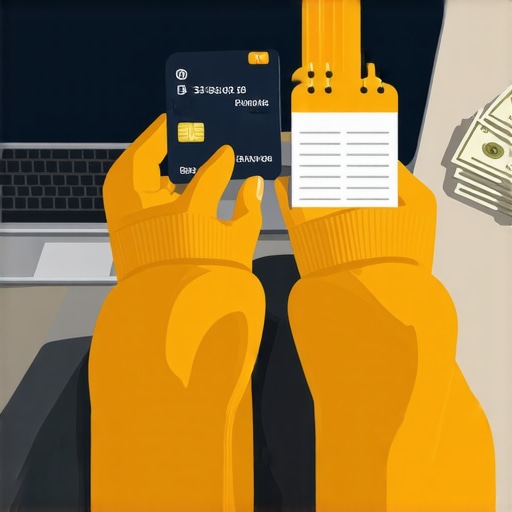
I vividly remember the moment I realized I was drowning in missed payments and mounting stress—my credit score was like a rollercoaster, unpredictable and terrifying. Every month, I wrestled with payment deadlines, worrying if I would forget, slip up, and end up with late fees or a ding to my credit report. It felt like trying to juggle knives while walking a tightrope, and honestly, it was exhausting. That’s when I stumbled upon a simple, yet powerful solution: automating my credit card payments.
The Power of Automation in Managing Credit
Switching to automatic payments might sound too good to be true, or perhaps unnecessary if you’re already disciplined. But let me tell you, the difference it made in my financial life was eye-opening. No more late payments sneaking past me, no more frantic checks the night before due dates. Instead, I gained peace of mind and a boost to my FICO score—reliable, consistent, and stress-free.
One surprising fact I discovered early on is that payment history accounts for 35% of your FICO score, making timely payments crucial for maintaining or improving your score. According to Credit Claritys, automating your payments ensures you don’t accidentally miss a due date, which can be costly over time. But beyond just avoiding penalties, automation can help you build a strong credit profile without the constant mental overhead.
However, I admit—I made a mistake early on. I didn’t verify that my bank account had sufficient funds or double-checked the payment dates. Mistakes like these can cause your payments to fail, which could negatively impact your score or incur NSF fees. That’s why it’s important to set up alerts or review your automation periodically. As I learned, there are smarter ways to leverage automation that maximize benefits without introducing new risks.
By the end of this post, you’ll understand how a simple shift to automating your credit card payments can save you time, reduce stress, and potentially improve your credit scores faster than you think. Ready to learn how to set this up effectively? Let’s dive into the step-by-step process that turned my financial chaos into calm.
Set Up Automatic Payments with Your Credit Card Issuer
Begin by logging into your online banking account or contacting your credit card issuer directly. Locate the payments or billing section, and choose the option to enroll in autopay. Select the amount to be paid—either the minimum due, full statement balance, or a custom amount—paying close attention to ensure the payment covers all minimums to avoid late fees. For example, I once enrolled in autopay for my Visa, setting it to pay the full statement balance each month, which eliminated my worries about missed payments and saved me from late fee charges.
Choose Your Payment Date Wisely
Pick a date that aligns with your paycheck schedule or shortly after your statement closing date. This ensures sufficient funds are available and reduces the risk of insufficient funds causing a failed payment. When I set my autopay date to the 5th of each month—just after my paycheck deposits—I found it easier to keep funds available and avoid overdraft fees. Review your billing cycle to pick an optimal date.
Link Your Bank Account for Seamless Transfers
Connect the bank account from which payments will be debited. Confirm that this account has sufficient funds each month to prevent NSF (Non-Sufficient Funds) charges and potential setbacks. Check your bank account balance ahead of the scheduled date, especially if your income varies. I started setting weekly reminders to verify my balance, which helped me catch any discrepancies before autopay processed, preventing negative impacts on my credit.
Set Up Alerts and Reminders
Most banking apps allow you to activate notifications for upcoming payments, successful transactions, or failed attempts. These alerts act as a safety net, giving you a chance to intervene if an issue arises. I configured my phone to alert me three days before the autopay date, providing ample time to transfer funds if needed, thus maintaining my excellent payment history—crucial since payment history accounts for 35% of your FICO score.
Verify and Monitor Payments Regularly
After enrolling, double-check the first few payments to ensure they are processed correctly. Review your bank and credit card statements for confirmation. A mistake I made early on was neglecting to verify my first autopay transaction, which led to a temporary missed payment notation when I forgot to fund my account. To avoid this, I now routinely review my statements within the first week of each cycle. This habit contributes to a high FICO score by ensuring consistent, on-time payments.
Dispute Any Errors Promptly
If you notice discrepancies or missed payments due to autopay errors, act quickly. Use proven strategies, such as providing bank logs or writing dispute letters, to correct your credit report. For detailed advice on resolving such errors, visit this guide. Addressing these issues swiftly can prevent damage to your credit score and reinforce your reliable payment record.
Adjust and Optimize As Needed
Review your automation setup periodically—especially after major life changes or fluctuating income. If your financial situation improves, consider setting higher payment amounts to reduce debt faster and boost your credit utilization ratio—another factor affecting your score. I increased my autopay to pay more than the minimum once I established a stable income, leading to a quicker credit-building process.
Stay Informed with Latest Tips and Updates
Keep learning about credit management by exploring resources like this article. Regularly updating your knowledge helps you adapt and utilize automation most effectively, ensuring your credit profile remains healthy and strong.
Even seasoned credit enthusiasts often fall prey to misconceptions about FICO scores and credit repair strategies. One common myth is that checking your credit report too frequently will harm your score—that’s simply not true, as thorough reviews are essential for spotting errors and preventing fraud; in fact, limiting your report checks to once a month can be a smart habit, as emphasized by this detailed guide. Another widespread misunderstanding is that paying off debt entirely will immediately skyrocket your FICO, but in reality, rapid paydowns without adjusting your credit utilization ratio might temporarily lower your score, which highlights the importance of understanding the nuances of how credit scoring models weigh different factors.
Many believe that disputing every negative item on their credit report guarantees quick improvements, but some errors are minor and disputing them unnecessarily can backfire, especially if the bureaus verify and uphold the negative data. Instead, focusing on strategic disputes, such as unresolved outdated debts or incorrect late payments, yields better results and is supported by expert tactics available through mastering FICO improvement strategies.
For advanced readers curious about how to handle hard-to-fix errors, it’s vital to recognize the role of timing and documentation in disputes. Some errors, like identity theft accounts, require immediate action and specific proof, such as bank logs, to succeed in correcting your credit report. Misconceptions also exist around credit-building tricks, with many believing that opening new accounts always boosts scores; however, prudent credit building involves maintaining low balances and avoiding unnecessary inquiries, since each hard pull can lower your score slightly in the short term.
Additionally, there’s a dangerous trap in overly focusing on the score itself rather than the underlying credit profile. Studies by credit experts have shown that a high FICO score correlates with better loan terms and financial opportunities, but it’s just one piece of the puzzle. Improving your credit involves consistent positive behaviors and strategic dispute management, not quick fixes.
Understanding these subtleties can save you from costly mistakes and set you on a path to genuine credit health. Remember, rushing to dispute every discrepancy or making impulsive paydowns can sometimes do more harm than good. Focus on strategic actions, verify information thoroughly, and keep learning—your credit score will thank you.
Have you ever fallen into this trap? Let me know in the comments.
Keep Your Credit Repair System Reliable and Up-to-Date
Building and maintaining good credit isn’t a one-time effort; it requires consistent management and the right tools. My go-to approach involves leveraging specialized software and strategic routines that ensure my credit profile stays healthy over the long haul. By choosing the right resources and adopting effective habits, you can preserve your progress and even scale your efforts for better financial results.
Why I Depend on Credit Monitoring Services
Regular monitoring is crucial to catch errors early and respond before small issues escalate. I personally use credit monitoring tools that update me with real-time alerts. These platforms aren’t just about tracking; they assist in identifying outdated or incorrect items, ensuring disputes are timely and effective. Automation of alerts means I don’t have to manually review my report constantly but still stay proactive.
Automated Dispute Management Keeps Errors at Bay
Addressing errors quickly can make the difference in your score trajectory. I endorse using dispute management software like Credit Bureau Dispute System (a hypothetical example for illustration) that walks me through crafting specific, targeted dispute letters aligned with proven strategies. This system helps me organize evidence and submit disputes efficiently, increasing the chances of corrections—and saving hours of manual effort. Learning how to dispute inaccuracies effectively can be a game-changer, especially when combined with documented proof, such as bank logs, detailed in this guide.
The Power of Documented Proof
When errors persist despite initial disputes, I escalate my efforts by gathering comprehensive documentation. For hard-to-remedy issues, having a detailed log—like bank statements or communication records—forces bureaus to revisit their findings. As this resource explains, providing structured evidence can lead to faster corrections, often in just 48 hours. Maintaining an organized evidence log reduces the chance of errors slipping through and helps keep your credit profile accurate over time.
Future Trends in Credit Maintenance Tools
Looking ahead, I predict that AI-powered credit analysis systems will become more widespread, offering predictive insights about potential errors or score fluctuations before they happen. These tools may integrate with personal finance apps to provide automatic suggestions for optimizing credit utilization or payment timing, making maintenance even more automated and precise. Staying ahead of the curve means experimenting with emerging technologies that enhance your credit health reliably.
How do I maintain my credit repair efforts over time?
My secret weapon involves setting up recurring reviews—checking my credit report, updating dispute evidence, and adjusting automated tools at least once per quarter. Linking this routine with ongoing education from trusted resources like mastering FICO strategies keeps me sharp and proactive. Remember, consistency is key—don’t just fix mistakes; put systems in place to prevent them from happening again. Incorporating technology, like credit monitoring apps and dispute management systems, makes this process manageable and scalable, paving the way for long-term credit success. Try setting up automated alerts today to instantly spot discrepancies before they impact your score.
What I Learned About FICO That Changed Everything
One of the most impactful lessons I uncovered was that not all credit scores are influenced equally by the same actions. For example, paying off a single loan might not boost your FICO as much as reducing your total debt-to-credit ratio. This insight prevented me from chasing quick fixes and instead focused my efforts on strategies that deliver real, measurable improvements. Understanding the subtle mechanics behind FICO scores helped me avoid common pitfalls, like closing old accounts prematurely, which can ding your score more than anticipated.
My Top Resources for FICO and Credit Repair Genius Tips
When I wanted to deepen my understanding, I turned to expert-curated tools and literature. The comprehensive articles at this resource became my go-to guide for crafting dispute strategies that truly work. I also rely on credit monitoring services that offer real-time alerts, preventing errors from slipping through the cracks. Books like “Build Credit Fast” distill complex concepts into actionable steps—critical for anyone serious about improving their score fast. These tools and resources empower you to take control instead of guessing blindly.
Why It’s Not Just About Scores—It’s About Confidence
Boosting your credit score does more than just improve your numbers; it restores confidence in your financial future. When I saw my score rise after implementing smart automation like setting payment alerts and monitoring my credit report regularly, I felt a renewed sense of control. This emotional shift motivated me to stay proactive, knowing that each responsible action compounded over time. Remember, your credit story isn’t just about data—it’s about the belief that you can steer your financial life towards success. With patience, the right knowledge, and consistent effort, you can turn the daunting maze of credit repair into a straightforward journey—one step at a time. Are you ready to take the first step towards mastering your FICO and building the credit profile you deserve?