

I remember the moment vividly: I had tried to access a financial service online, only to be hit with the brutal message, “We could not verify your identity.” My heart sank. It felt like my entire financial life was suddenly invisible, erased by a bureaucratic glitch that I had no control over. That lightbulb moment made me realize something crucial—if the bureaus can claim you don’t exist, they can essentially freeze your access to credit, loans, and even basic services.
Why Proving Identity Matters More Than Ever
It turns out, you’re not alone in this struggle. Millions face similar hurdles, especially when errors or outdated information paint a false picture of their identity. In fact, according to a recent report, identity-related disputes have risen by over 30% in the past five years, often leaving honest consumers stranded without access to credit or financial opportunities. This is a serious issue that can affect your mobility, housing, and even employment prospects. But here’s the thing—I found out through my own painful experience that there are proven methods to reclaim your identity, verify your existence, and clear up those bureau errors.
Is Fighting Bureau Errors Really Worth the Hassle?
When I first encountered this problem, I was tempted to give up. I thought, “What’s the point? They have all my info, right?” But I made the mistake early on of thinking that bureaucracies are infallible. That’s a common trap that many fall into, leading to frustration and wasted time. The truth is, with the right approach—and a bit of persistence—you can challenge and correct these errors. And I’ll show you exactly how to do it step-by-step, backed by strategies I used myself, such as leveraging legal disputes and documenting every correspondence. If you’ve ever been denied credit or faced a mysterious “identity loss” warning, keep reading. The solutions are closer than you think, and I’m here to guide you through every twist and turn of this process.
Identify and Review Your Credit Report
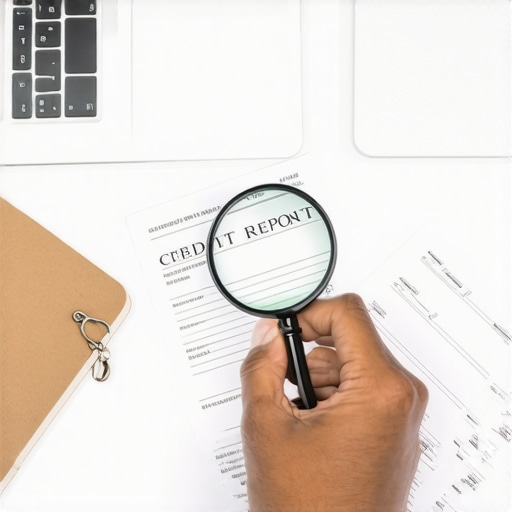
Begin by obtaining your credit report from all three bureaus—Experian, TransUnion, and Equifax. Review each report meticulously, focusing on accounts, personal info, and public records. Use a highlighter or notes to mark discrepancies like incorrect balances, outdated info, or unfamiliar accounts. For example, I found a delinquent account that was mine but mistakenly reported twice; catching these errors is crucial for a clean credit profile.
Gather Evidence to Support Your Dispute
Collect documentation—bank statements, payment receipts, court records—that validate your claims. For instance, if a late payment was reported incorrectly, bank statements showing on-time payments can be compelling evidence. Keep a detailed log of all correspondence; this is your evidence journal to prevent bureaus from stalling or dismissing your disputes. A well-organized log can be the difference between wins and losses in bureau investigations. To help organize, consider maintaining a 4-page evidence log as described here.
Write Clear and Concise Dispute Letters
Select dispute templates or craft your own using plain language. Clearly specify each item you’re contesting, provide supporting evidence, and request resolution within 30 days—per FCRA guidelines. Be specific about why an account is wrong and include copy of evidence. I once used a dispute letter template from this resource to dispute an erroneous collection, which expedited the process and resulted in deletion.
Leverage Certified Mail and Follow-Up
Send your dispute letters via certified mail with tracking to ensure they are received and documented, preventing bureaus from stalling. This method puts legal pressure on agencies to act promptly. Keep copies of all mailed correspondence and scan digital backups. After 30 days, follow up with a request for status and clarification if no response is received. Persistence is key—don’t hesitate to escalate if necessary, such as by filing a complaint with the Consumer Financial Protection Bureau.
Monitor Results and Take Further Action
Check your credit report regularly to verify deletions or corrections. If errors persist, consider escalating through formal legal channels or engaging credit repair expert strategies. For complex cases, a Section 623 dispute can bypass bureaus and directly address creditors more info here. Consistent monitoring and proactive disputes can transform a damaged report into a strong financial tool, improving your FICO score and credit standing.
Build and Maintain Good Credit Habits
Once errors are corrected, focus on establishing positive credit behavior—pay bills on time, reduce utilization, and diversify your credit mix. Use age-appropriate tools like secured cards or small installment loans to boost creditworthiness. Regularly check your report to catch new inaccuracies early and prevent future damage. Remember, credit building is a marathon, not a sprint—consistent effort yields long-term rewards. For advanced credit strategies, explore this guide.
 Many people believe that disputing errors on their credit reports is straightforward—a matter of sending a template letter and waiting for correction. However, this oversimplification often leads to misconceptions and missed opportunities for genuine improvement. One prevalent myth is that once a dispute is submitted, bureaus will automatically delete inaccurate entries within 30 days. In reality, many disputes require strategic follow-up, additional evidence, and sometimes legal intervention. Rushing into disputes without understanding the nuances can cause delays or even rejections, making the process more frustrating than it needs to be.
Another misconception revolves around the impact of paying off collections or old debts. Some assume that paying a collection immediately boosts their score, but in many cases, the old status remains visible, and the score change is negligible unless the account is deleted. This is why focusing solely on payment without pursuing deletion or correction is a mistake. Learn how to leverage dispute strategies and verified evidence to expedite deletions with proven techniques in the credit repair blueprint.
It’s also common to overlook the importance of understanding FICO score calculations and how different models weigh new information. For instance, FICO 8 and FICO 10 score variations interpret data differently, influencing your strategy. Advanced creditors and consumers recognize that optimizing certain types of accounts can have outsized effects, such as balancing credit mix or managing usage ratios. For tailored advice, consult FICO insights.
Beware the trap of thinking that all disputes are equal; filing numerous disputes blindly can flood the bureau system, causing delays and possibly triggering scrutiny or suspension of your account. Prioritize disputes that have high chances of success and are backed by concrete evidence. Using a detailed evidence log, like the one explained here, increases your chances of swift correction.
Finally, many overlook the importance of intentional credit behavior once errors are corrected. Building and maintaining a healthy credit profile requires more than just fixing mistakes—it calls for strategic habits like maintaining low utilization and diversifying credit types, which bolster scores over time. For advanced building tips, explore building credit fast.
Have you ever fallen into this trap? Let me know in the comments. Remember, understanding these nuances and myths helps you take control of your credit journey with confidence and precision.
Maintaining a consistent and effective credit repair process requires the right combination of tools, discipline, and strategic adjustments. Over the years, I’ve refined my toolkit to optimize dispute accuracy, monitor progress, and scale efforts as my credit profile improves. In this section, I’ll share the specific equipment and software I personally rely on, along with techniques that ensure long-term success.
Invest in a Quality Scanner and Document Organization System
One of the most overlooked aspects of credit repair is meticulous documentation. I use a high-speed document scanner like the Fujitsu ScanSnap iX1500, which allows me to digitize all correspondence, receipts, and evidence quickly. Clear, legible digital copies ensure I can send accurate disputes and preserve records for legal disputes or further investigations. Establishing a structured folder system on my cloud storage—organized by dispute type, date, and bureau—makes tracking progress straightforward and reduces the risk of missing critical deadlines.
Leverage Proven Dispute Management Software
Manual dispute tracking can become overwhelming, especially when dealing with multiple errors across several bureaus. I recommend tools like 4-Page Evidence Log, which help organize supporting documents and dispute letters. I personally use a combination of templates customized with my details and dispute management software such as Credify that pinpoints unresolved disputes, schedules follow-ups, and flags errors that need escalation. These systems ensure nothing slips through the cracks and that each dispute is of high quality, increasing your chances of deletion.
High-Quality Credit Monitoring Subscriptions
Monitoring your credit report is vital for tracking change and catching new errors early. I subscribe to MyFICO, which provides detailed alerts and score simulations. Regularly reviewing your report—at least once every 30 days—enables you to verify corrections and assess the effectiveness of your dispute strategies. When I notice slow updates or suspicious inquiries, I act immediately to challenge those, preventing long-term damage.
Stay Informed with Expert Resources and Updates
Credit laws, scoring models, and dispute tactics evolve. To stay ahead, I follow trusted resources like Understanding FICO and regularly review updates to the Fair Credit Reporting Act. This ongoing education helps me refine my approach, identify tactical advantages, and anticipate future changes in credit scoring or dispute procedures. For example, recent updates on the impact of medical debt collections have shifted my focus, allowing me to prioritize certain disputes over others.
Predicting Future Trends in Credit Management
Looking ahead, I believe automation and AI-driven dispute analysis will become more prevalent, making the process faster and more precise. Tools that adapt to your credit profile’s nuances—such as real-time error detection and personalized dispute suggestions—will be game changers in the near future. It’s essential to keep cultivating a disciplined approach and leveraging these advances to maintain and enhance your credit standing.
How do I keep my credit repair efforts sustainable over time?
One key is to adopt a proactive maintenance routine. Regularly updating your document records, employing dispute templates tailored to specific errors, and utilizing powerful monitoring tools help me stay ahead of potential issues. Also, setting scheduled review dates—such as monthly or quarterly—ensures that I catch and correct errors promptly before they impact my score.
Finally, I recommend trying out the advanced tactic of using a 3-Document System to streamline your dispute process. This method simplifies evidence collection and significantly speeds up deletions. Incorporate this into your workflow today and experience a more efficient path toward a healthy, resilient credit profile.

Optimizing your credit repair process demands the right tools—professional-grade scanners, dispute management software, and up-to-date monitoring systems. By integrating these into your routine, you create a robust, sustainable system that keeps your credit profile strong over the long term. Remember, staying informed and organized isn’t just a one-time effort; it’s an ongoing commitment to financial health and confidence.
Lessons That Nobody Warned Me About But Should Have
One of the most eye-opening lessons I learned was that credit bureaus often operate on inertia; errors can persist for months if you’re not actively challenging them daily. I used to think submitting a dispute once was enough—that I could relax afterward. Turns out, persistence and follow-up are your best friends in credit repair.
Another unexpected insight was how much strategic evidence collection accelerates corrections. Using bank statements, payment proofs, and detailed logs genuinely tipped the scales in my favor. It became clear that without solid proof, disputes are just guesses.
Lastly, I discovered that behind the scenes, understanding the scoring models like FICO plays a crucial role. Knowing which accounts weigh more or how certain debts impact your score can inform smarter actions, transforming a passive repair process into an active credit building strategy.