
I remember the moment I realized my credit score wasn’t improving despite paying my bills on time. It was frustrating, almost like spinning my wheels in mud. Then, during a late-night scroll through a credit forum, I read a tiny, seemingly insignificant detail: your credit card statement date can influence your credit standing more than many realize. That lightbulb moment changed everything for me.
The Hidden Power of Your Statement Date
Are you missing out on a simple yet impactful trick?
I used to think that paying my bills before the due date was enough. But the truth is, many people, including myself initially, overlook how your statement closing date affects your credit profile. This date determines when your balance is reported to the credit bureaus, which directly impacts your utilization ratio—a vital factor in your FICO score. A small misalignment here might be silently dragging your score down, even if you’re diligent with payments.
Here’s the thing: if you pay down your balances right after your statement closes, that lower balance gets reported, potentially boosting your score. But if your payments lag behind or are uneven, your utilization might appear higher than it truly is, damaging your credit unfairly.
Did I mess up early on? Absolutely. In my case, I would pay my card mid-cycle, expecting a benefit, but I didn’t realize I needed to focus on my statement closing date to maximize the positive impact. Since then, I’ve learned how to synchronize my payments with my statement date, leading to noticeable improvements in my credit scores.
For a deep dive into mastering these nuances and other proven strategies, check out [this comprehensive guide on FICO score optimization](https://creditclaritys.com/mastering-fico-proven-strategies-to-improve-your-credit-dispute-score). It offers step-by-step advice on tweaking your credit habits for maximum benefit.
Understanding and leveraging your statement date is like flipping a switch—simple once you know the trick, but powerful enough to make a difference. Are you ready to examine your statement cycle and make it work in your favor? The next steps will shed light on how to align your payment schedule effectively. But first, let’s clear up some common doubts that might be holding you back.
Pinpoint Your Statement Closing Date
First, gather your recent credit card statements to identify the exact closing date. This is the day your account balance is reported to the bureaus. You can find this by examining your online banking portal or previous statements where the statement date is clearly marked. Once identified, note this date on your calendar to keep it top of mind.
Adjust Your Payment Schedule Before the Closing Date
Make a habit of paying your credit card balances before the statement closes. Ideally, do this a day or two prior, so the payment clears in time. This reduces your reported balance, lowering your utilization ratio—an important factor in your credit score. For example, if your statement closes on the 25th, pay your balance on the 23rd or 24th, ensuring the payment posts before reporting.
Implement a Calendar Reminder System
Use digital reminders or calendar alerts to prompt you a few days before each statement date. Consistency is key; even missing this step occasionally can lead to higher reported balances and score dips. Setting recurring alerts ensures you’re always prepared to pay in advance, maintaining a low utilization ratio month after month.
Manage Multiple Credit Accounts Effectively
If you have several cards, repeat this process for each. Synchronize payments so that all low balances are reflected before their respective statement close. Consider focusing on paying down higher balances early, but always before the statement date, to maximize score benefits.
Leverage Small Balances to Protect Your Score
Maintain small, manageable balances across your accounts—ideally under 30% utilization. Make small payments before statement closing to keep reported balances low. This prevents score dips during reporting and helps build a positive payment history. Remember, even a tiny $5 payment can make a difference since lower utilization improves your FICO score.
Assess Your Progress and Make Adjustments
Review your credit report periodically to verify that your payments are being reflected accurately. Use tools like this guide to understand how timing affects your score, and tweak your schedule as needed. Over time, this synchronization will consistently produce lower reported balances and an improved credit profile.
 When it comes to fixing credit errors, many rely on common advice that can sometimes do more harm than good. A widespread misconception is that disputing every negative item guarantees swift removal. In practice, this often backfires, especially if the disputes are unfounded or lack proper documentation. As I explore in my [detailed guide on credit repair secrets](https://creditclaritys.com/credit-repair-secrets-how-to-resolve-disputes-and-elevate-your-credit-standing), understanding the context and validity of each dispute is crucial—blindly mass-disputing can flag your account as suspicious, even leading to account freezes or investigations by credit bureaus.
Another nuanced mistake is neglecting the difference between correcting inaccuracies and challenging legitimate, accurate data. Many believe that disputing accurate but unfavorable entries will immediately boost their scores, but scorers are designed to reward truthful, consistent reporting. Pushing for deletion of accurate information without valid grounds risks credibility issues and possible legal repercussions. Recognizing this fine line is vital; review [this step-by-step guide](https://creditclaritys.com/understanding-credit-errors-a-step-by-step-guide-to-fico-improvement) to distinguish disputable errors from factual data.
What most people overlook is how the *timing and strategy* behind your disputes impact your FICO score. Filing a dispute that fades into the background might seem harmless, but it can cause temporary score dips due to investigation periods or even lead to account flags if too many are initiated at once. Smart dispute management involves prioritizing significant errors and understanding the bureaus’ processes, which I delve into more deeply in [this resource](https://creditclaritys.com/mastering-fico-proven-strategies-to-improve-your-credit-dispute-score).
Have you ever fallen into this trap? Let me know in the comments. Remember, a strategic approach—grounded in knowledge and nuance—wins every time. Overlooking these subtleties can turn minor errors into prolonged credit hurdles. For instance, many overlook how disputing outdated debts, especially those past the statute of limitations, requires specific tactics; otherwise, you risk reactivating or extending the debt’s impact. Get familiar with the legal nuances and best practices via our comprehensive [blueprint on fixing errors and strengthening your financial profile](https://creditclaritys.com/the-credit-repair-blueprint-fixing-errors-and-strengthening-your-financial-profile).
Being aware of these advanced intricacies can make the difference between temporary fixes and long-term credit health. So, next time you consider disputing an item, pause and evaluate the validity, timing, and potential repercussions—a small detail here could save months of trouble. Want to go beyond the basics? Explore more strategies and expert insights at [this guide](https://creditclaritys.com/mastering-fico-proven-strategies-to-improve-your-credit-dispute-score) and transform your credit repair efforts.Maintaining a strong credit profile over time requires more than just understanding the fundamentals; it demands precise tools and disciplined routines. One essential resource I rely on is **Credit Karma** for daily credit monitoring. Its real-time alerts notify me immediately about any changes or potential fraud, allowing swift action before minor issues escalate. Additionally, I leverage **Experian’s CreditLock** service to restrict unauthorized access, safeguarding my credit report against identity theft and unauthorized inquiries, especially during periods of rapid credit rebuilding. To track my credit utilization effectively, I use **Excel spreadsheets** integrated with formulas to visualize trends, ensuring I stay below the 30% utilization mark— a strategy proven to positively influence your FICO score.
For dispute management, I prefer **Smartdisputes.com**, an automated platform that streamlines the creation of personalized, legally compliant dispute letters. Its template customization considers the latest credit bureau requirements, aligning with expert advice found in [this comprehensive guide](https://creditclaritys.com/mastering-fico-proven-strategies-to-improve-your-credit-dispute-score). Consistently revisiting my credit report using these dedicated tools keeps me on track and adapts my strategy based on real data.
Looking ahead, the trend points towards increased automation and AI-driven monitoring. Future tools will likely offer deeper insights into predictive credit behavior, allowing proactive adjustments before scores dip.
How do I maintain my credit gains over time?
To sustain long-term credit health, I automate regular reviews—set reminders to check my credit report quarterly—and use alerts for any sudden score fluctuations. Staying disciplined with timely payments, keeping old accounts active, and avoiding unnecessary new inquiries are ongoing habits reinforced by these tools.
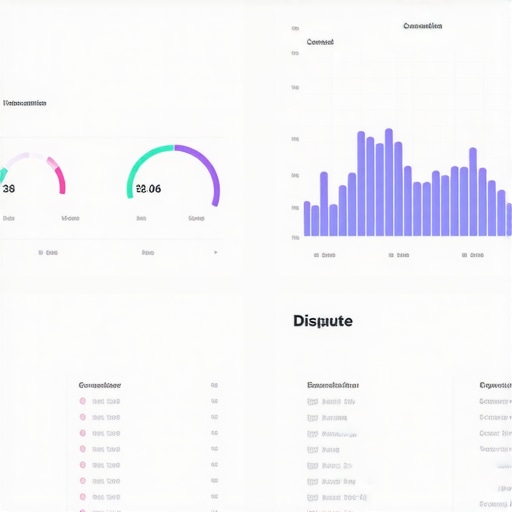
*Visualize your credit report dynamics with a custom dashboard showing utilization and dispute statuses to stay proactive.*
To give your credit profile an extra boost, try integrating **AutoPay** for all recurring bills. It ensures timely payments and minimizes late payment risks, which are crucial for long-term improvements. For more in-depth tactics, consider exploring [this resource](https://creditclaritys.com/build-credit-fast-expert-tips-for-correcting-credit-errors-and-boosting-fico). Remember, consistent application of these tools and routines builds a resilient credit foundation that withstands the test of future financial challenges.
The Hardest Lesson I Learned About Dispute Errors and FICO
One profound realization I encountered was that rushing to dispute every negative entry could actually set back my credit progress. I once believed that every blemish was an enemy to be eradicated immediately, but I learned that targeted, factual disputes are more effective, and over-disputing can flag your account as suspicious, delaying genuine improvements. Patience and precision are key lessons I wish I had embraced earlier.
Three Myths About Credit Repair That Held Me Back
Uncovering that not all negative marks are equal was eye-opening. For example, I used to think that paying off a debt instantly removes its impact, but the truth is, some entries require strategic timing and understanding of reporting dates. Discrediting myths about fast fixes helped me develop a sustainable, confident approach to building credit that truly works over time.
What Experts Won’t Tell You About Boosting Your FICO Score
One secret I found was the power of credit utilization timing. Focusing on your statement closing date rather than just paying on due dates was a game-changer. This overlooked detail made me realize that small shifts in routine can produce significant score boosts, something popular advice often neglects. Learning these insider tactics gave me an edge in optimizing my credit profile.
My Essential Toolkit for Credit Optimization
- Credit Karma: For real-time score tracking and alerts, helping me stay ahead of any unexpected drops.
- Smartdisputes.com: To craft precise, legally compliant dispute letters efficiently, saving time and reducing errors.
- Excel spreadsheets: To monitor my utilization patterns visually and maintain my balances under 30% effortlessly.
- Automatic Payment Setup: Ensuring my bills are paid timely, which is the foundation of trustworthy credit behavior.
Your Next Step in Credit Control
Building and maintaining a healthy credit profile is a continuous process that rewards disciplined routines and nuanced strategies. Embrace the knowledge that small, consistent actions—like paying just before your statement closing date—compound into impressive improvements. Use the insights and tools I’ve highlighted to turn credit management from a daunting task into a manageable, empowering routine. Remember, your proactive steps today shape your financial freedom tomorrow. Have you ever stumbled upon a tiny detail that transformed your credit game? Share your experience below and let’s grow together.