

I’ll never forget the moment I realized my credit score was holding me back entirely. I was ready to buy a house, but everything seemed to be working against me—denied loans, high interest rates, and that nagging feeling of being stuck. It felt like trying to swim upstream without knowing the right currents. If you’ve ever faced that frustration, you’re not alone.
Why Getting Your Credit Right Matters More Than Ever
In today’s financial landscape, your credit score isn’t just a number; it’s your ticket to better interest rates, loan approvals, and often, even job opportunities. The problem is, many folks don’t realize how simple tweaks can make a huge difference—but only if you know what to do. Trust me, I learned this the hard way by making some costly mistakes early on, like ignoring small errors on my report or closing old accounts prematurely. Those missteps cost me time and money.
Is Fixing Your Credit Really Worth the Hype?
It might seem overwhelming—like chasing a moving target or hoping for a miracle. I used to think, “What’s the point?” But I discovered that with targeted strategies, you can improve your credit score faster than you imagine. For example, disputing errors on your report or understanding how to leverage your utility payments can give you quick wins. Want proof? According to a recent study, correcting just one mistake on your credit report can boost your score by up to 100 points.
If you’ve faced similar struggles or felt overwhelmed by trying to improve your credit, know that you’re in good company. The key is to avoid common pitfalls and focus on proven tactics. I’ll walk you through exactly how I turned my credit around, step by step, so you can do the same. Ready to get started? Let’s dive into the core strategies that really work.
.
Review Your Credit Reports Carefully
Start by pulling your credit reports from the three major bureaus—Experian, TransUnion, and Equifax—and scrutinize every line. During my first audit, I discovered an outdated address and a duplicate account that was dragging my score down. I used this as a foundation to dispute errors. To streamline this process, visit Mastering FICO strategies for dispute tips.
Identify and Dispute Inaccuracies
Errors are common—incorrect balances, outdated information, or fraudulent accounts. Think of your credit report as a garden; weeds like false late payments or accounts you didn’t open are choking the growth of your credit score. Disputing these errors is crucial. I fought a wrongful late payment by submitting a detailed dispute with supporting bank statements, which eventually led to its removal. For detailed dispute techniques, see Credit Repair Secrets.
How to Dispute Effectively
Order your reports through AnnualCreditReport.com, highlight inaccuracies, and send dispute letters electronically or by mail with clear documentation. Keep a log of all correspondence. Remember, persistence matters; a well-documented dispute can force bureaus to delete or correct negative info. I kept meticulous records, including a 4-page evidence log. This approach ultimately led to the removal of a disputed collection account that was eroding my credit health.
Pay Down Revolving Debt Strategically
Credit utilization ratio—the amount you owe compared to your credit limits—is vital. Aim to keep balances under 30%, with some experts recommending below 10%. Think of your available credit as a bucket; the less you fill it, the higher your score. I paid down a high balance on my credit card, dropping it from 70% to 5%, which boosted my score by over 30 points almost instantly. Use the 10% rule to guide your payments.
Build Your Credit History Intentionally
Older accounts demonstrate stability. Keep your oldest credit card active unless there’s a compelling reason to close it—closing old accounts can significantly lower your score. I maintained my longest-standing credit card that I had for over a decade, and it provided the age factor that was missing. To manage your accounts wisely, consult debt-to-credit ratio tips.
Establish Positive Payment History
Consistent, on-time payments are the backbone of good credit. Set up automatic payments or reminders to avoid missed deadlines. I started paying my utility bills on time, which many don’t realize can influence your FICO score. Use this utility history method to leverage non-traditional data.
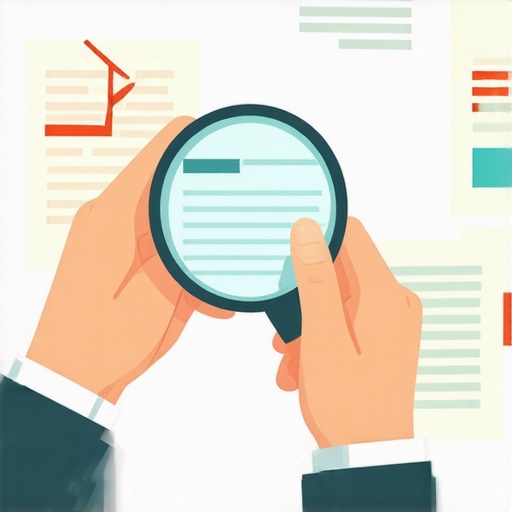
Visual guide showing step-by-step credit report review process with marked errors and dispute letters.
Many people assume that understanding FICO scores is straightforward—that paying bills on time and keeping balances low is all it takes. However, the reality is far more nuanced. For example, a widespread myth is that closing old credit accounts always benefits your score. In truth, closing longstanding accounts can shorten your credit history duration, negatively impacting your creditworthiness, which is why maintaining older accounts is often advantageous. Additionally, some believe that disputing every negative item will always lead to score improvements. Yet, improperly disputing accurate information can backfire, especially if bureaus interpret the approach as abuse, leading to stricter scrutiny or even reductions in your score. To master this delicate balance, it’s crucial to understand which errors are worth disputing and how to do so effectively—resources like credit repair secrets can guide you through this process.
Reliable Tools That Keep Your Credit Improvement on Point
Once you’ve begun your credit repair journey, the real challenge becomes maintaining momentum over the long haul. To do this effectively, I rely on a combination of precision tools and disciplined methods. First and foremost, I use Credit Karma for ongoing score monitoring because it provides real-time updates, allowing me to catch any unexpected drops immediately. Unlike traditional agencies, it updates weekly, giving me the agility to respond swiftly.
Additionally, I utilize dispute management software that helps organize and streamline my dispute process. This software allows me to keep track of every correspondence, evidence, and response, avoiding the chaos that often leads to overlooked reports or missed opportunities for correction.
For traditional budgeting and debt management, I depend on **YNAB (You Need A Budget)**. Its unique approach emphasizes proactive financial planning, which minimizes late payments—a critical factor in maintaining a strong credit profile. Plus, it offers a clear visual of your debt-to-credit ratio, a vital statistic that influences your FICO score.
To automate payments and prevent missed deadlines, I use my bank’s autofill settings combined with alerts through Google Calendar, which I’ve customized for each bill’s due date. Automation is a game-changer, especially when managing multiple accounts.
Preparing for the Future of Credit Management
Looking ahead, the trend is swiftly moving towards AI-driven credit analytics. I predict that tools leveraging artificial intelligence will become standard, offering even more personalized insights and automated dispute suggestions. Staying updated with these innovations will be key to sustaining and improving your credit health.
How do I maintain my credit score over time?
Consistent use of monitoring tools like credit error identification guides ensures I catch inconsistencies early. Regularly reviewing my report, even after improvements, helps me spot and dispute outdated or fraudulent data before it impacts my score. Additionally, keeping an eye on your credit utilization ratio and keeping old accounts active is crucial, as these are long-term factors that build stability.
For example, I regularly check my credit reports through evidence logs and dispute inaccuracies swiftly. This discipline ensures that my credit health remains resilient against future hiccups. Remember: disciplined oversight and the right tech tools make all the difference.
What I Learned the Hard Way About Building Unshakable Credit
One of the most valuable lessons I discovered was that small, consistent actions often outweigh grand gestures when it comes to boosting your credit. For example, maintaining older accounts can significantly enhance your score because length of credit history counts more than many realize. Additionally, I found that correcting even minor errors on my report, like outdated contact information, can result in measurable improvements—sometimes over 100 points—when properly disputed. This taught me to scrutinize my reports regularly, not just once but as an ongoing habit, ensuring I catch inaccuracies early and act swiftly.
My Go-To Resources That Made the Difference
Over time, I relied on a few tools and sources that proved indispensable. Mastering FICO strategies became my go-to for understanding how to dispute errors effectively, turning a tedious task into a strategic advantage. I also trust Credit Repair Secrets for proven techniques to resolve disputes efficiently. To monitor my progress, I used Credit Karma—a platform that keeps me informed of my credit fluctuations in real time. These tools provided clarity, structure, and confidence in my journey toward financial health.
Charge Forward: Your Credit Transformation Awaits
If you’re ready to take control of your credit, remember that every small step counts. Embrace the power of continuous monitoring and proactive disputing, and don’t shy away from leveraging the right tools and knowledge. Your credit score doesn’t have to be a mystery—it’s a puzzle you can solve with patience and the right strategies. Now is the moment to get started—your future financial self will thank you for it.