
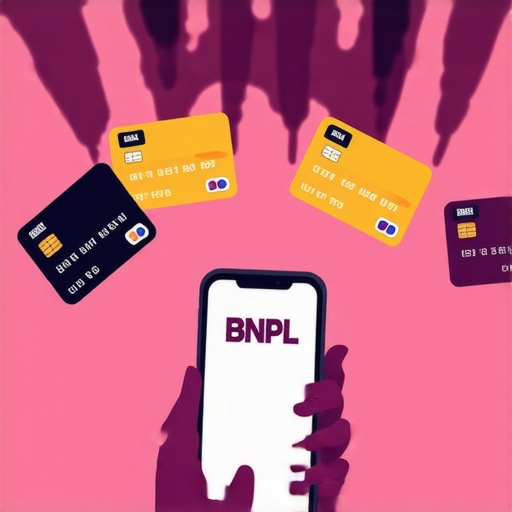
I remember the moment vividly. I had finally decided to get serious about rebuilding my credit after a rough financial patch. Scrolling through endless advice, I stumbled upon a popular trick: using Buy Now, Pay Later (BNPL) services to boost my credit scores. It seemed harmless enough—until I realized I had unwittingly opened a Pandora’s box. My credit report looked better, or so I thought, but behind the scenes, hidden pitfalls lurked.
Why I Wish I Had Known the Truth About BNPL and Credit Building
For many, BNPL options seem like a quick fix—an easy way to demonstrate responsible payment behavior without the commitment of traditional credit. But here’s the thing: not all credit-building strategies are created equal. I learned the hard way that relying on BNPL services can be more of a gamble than a guarantee. While initially boosting my score, I noticed discrepancies and confusing marks on my report that didn’t sit right. Later, I discovered that these services often report payments differently, or sometimes not at all, leading to incomplete credit histories and potential future issues.
In fact, a recent study found that only around 50% of BNPL transactions are reported to credit bureaus, making it a questionable strategy for genuine credit improvement (source). What was intended to help me, instead, put me at risk of misinformation and mistaken credit ratings. Have you ever faced similar frustrations with credit building attempts that didn’t turn out as planned?
Is Relying on BNPL Actually a Smart Move?
Early on, I made the mistake of thinking that paying off BNPL installments would automatically boost my credit. Turns out, if these services don’t report to the bureaus consistently or accurately, my efforts were essentially invisible in the eyes of lenders. This mistake highlighted the importance of choosing proven, transparent methods to improve credit scores—methods that involve correct reporting and dispute resolution if necessary.
So, what’s the real solution? That’s what we’ll explore next. We’ll look into effective strategies for building and repairing credit that won’t cost you peace of mind or future opportunities. But first, let me ask—have you tried using BNPL for your credit goals, only to be disappointed with the results?
Dispute Errors to Clean Up Your Credit Report
The first concrete step I took was to review my credit report thoroughly for inaccuracies. Think of your report as a messy closet—identifying and sorting out errors is like finding lost items that don’t belong to you. I ordered free copies from the major bureaus and meticulously checked for incorrect accounts, outdated information, or mistaken personal details. Whenever I found a discrepancy, I followed the procedure outlined in this guide to draft dispute letters, emphasizing accuracy and supporting evidence. Remember, disputes are most successful when backed by solid proof, such as bank statements or payment records.
Point Out and Remove Duplicate Accounts
During my audit, I encountered duplicate entries for the same debt—each reporting a different balance or status. These duplicates unnecessarily lower your score and inflate your perceived debt load. I used the evidence log to catalog inconsistencies and then filed disputes for each discrepancy. When dealing with duplicates, clarity is key; clearly specify the accounts, dates, and reasons for correction. In some cases, a simple call to the creditor or bureau can expedite removal, especially if you have proof of settlement.
Leverage Payment History and Amounts for Growth
Next, I focused on my payment history, as it’s one of the most influential factors on your FICO score. Making consistent on-time payments signals reliability to lenders. I set up automatic payments and kept balances low relative to limits. For outstanding accounts, I prioritized paying down high-interest debt first—like a firefighter targeting the most urgent blaze. A critical mistake I avoided was closing old accounts prematurely; instead, I kept them active to leverage their age, which benefits credit longevity. For techniques that directly impact your score, consider reading this article for proven methods.
Utilize a Secured Credit Card or Credit Builder Loan
To establish or rebuild credit, I opened a secured card with a deposit as collateral—a “reliable friend” reporting regularly to bureaus. I used it responsibly, keeping utilization low, and paid balances in full each month. Additionally, I considered a credit builder loan from my bank, which reports payments on-time, boosting my credit profile. Regularly monitoring progress with free scoring tools allowed me to see improvements, affirming that consistent responsible behavior yields results. For tips on choosing the best options, explore this resource.
Manage Your Credit Utilization Smarter
My biggest hack was to keep my credit utilization ratio below 30%, preferably around 10%. I paid down existing balances before they reported and increased credit limits where possible without triggering hard inquiries—like requesting higher limits during a soft pull. I also timed payments to coincide with the reporting date, ensuring the lowest reported balances. This tactical approach directly impacted my FICO positively without the need for new credit lines that might lower my score initially.
Build a Long-term Credit Strategy
Lastly, I committed to a sustainable credit strategy: avoid unnecessary applications, keep old accounts open, and monitor my report regularly. This ongoing process is like tending a garden; consistent care prevents weeds (errors) from taking over. Regularly reviewing your credit report helps catch and dispute inaccuracies early, preventing minor mistakes from turning into major score dips. To keep track effectively, consider using services outlined in this checklist.
 Many people assume that improving their credit score is a straightforward process, but in reality, there are subtle nuances and myths that can derail your efforts. One widespread misconception is that paying off all debts will instantly boost your credit; however, the reality is more complex, as paying down certain types of debt, like installment loans or mortgages, can temporarily lower your score due to changes in your credit mix and utilization ratios. Additionally, many believe that applying for multiple new credit accounts rapidly will increase their score — but this often triggers hard inquiries, which can decrease creditworthiness temporarily. Experts warn that overuse of such strategies can backfire, emphasizing the importance of a balanced, strategic approach.
Another hidden trap is the overreliance on dispute processes without understanding their nuances. While disputing inaccurate information is vital, many think disputing every negative item guarantees quick results. In fact, frequent disputes can flag your file for investigation, and some inaccuracies may require detailed evidence and patience to resolve. Misjudging the importance of timely re-disputes or understanding the criteria for successful corrections can waste valuable time and even harm your credit profile.
For advanced readers wondering about the level of reporting accuracy, studies have shown that approximately 20% of credit reports contain significant errors that can influence scores. A detailed examination and strategic dispute process—guided by resources like this article—can help you correct these mistakes effectively. Recognizing that not all information is reported equally and understanding the reporting thresholds are crucial for truly optimizing your credit profile.
Have you ever fallen into this trap? Let me know in the comments. Remember, moving beyond surface-level tactics requires a nuanced understanding of credit reporting and repair processes. Avoid these pitfalls by focusing on proven, holistic strategies that account for nuances like credit mix, report accuracy, and the timing of your financial moves, rather than just quick wins that may be misleading.Once you’ve taken the initial steps to repair or build your credit, sustaining those improvements requires consistency, precision, and the right tools. Personally, I rely heavily on comprehensive credit monitoring services like Experian’s CreditWorks or IdentityForce, which offer real-time alerts when changes happen to your report. These tools are invaluable—they help me catch any unexpected inquiries or fraudulent activity immediately, allowing swift action to dispute inaccuracies and prevent damage. Additionally, I utilize budgeting software such as Mint to keep my credit utilization low by tracking my spending against my credit limits, ensuring I don’t accidentally overspend and hurt my score. Regularly reviewing your credit report through these platforms also aligns with best practices recommended by experts; for example, understanding how discrepancies impact your FICO score can be crucial, as discussed in this resource. Looking ahead, trends suggest AI-powered credit analysis tools will become more sophisticated, providing personalized recommendations to optimize your financial profile even further. How do I maintain my credit health over the long haul? Consistent monitoring, smart management of credit utilization, and timely dispute of errors are foundational. For persistent issues, I recommend using the evidence log method—a detailed record-keeping system that supports your disputes and keeps your report accurate. Don’t forget, correcting errors promptly with clear documentation can significantly boost your score, especially when errors silently drag it down. Try implementing at least one of these tools or strategies today to keep your hard-won credit gains intact and prepare for future financial opportunities.
3 Lessons I Didn’t Expect to Learn About Credit Improvement
First, I realized that not all credit report errors are created equal—some are easy to spot, while others require a keen eye and deep knowledge of reporting nuances. Second, I discovered that patience and persistence in disputing inaccuracies can significantly elevate my score over time, provided I approach disputes strategically. Lastly, I understood that my long-term habits, such as consistent on-time payments and maintaining credit diversity, truly outweigh quick fixes like BNPL services—transforming my perspective on credit health from short-term tactics to lifelong stewardship.
Tools That Became My Financial Companions
For me, leveraging comprehensive credit monitoring platforms like this resource provided clarity and peace of mind. Additionally, using the evidence log system from this guide empowered me with organized documentation, speeding up disputes and increasing success rates. Finally, trusted educational content from this source kept me ahead of the curve, ensuring I made informed decisions based on proven strategies.
Imagine What You Can Achieve With Consistent Effort
Your credit journey isn’t just about fixing errors or raising scores—it’s about creating a foundation for your financial future. Whether you’re repairing damage or building from scratch, every responsible choice adds up. Take a step today, armed with the right knowledge and tools, and watch how your confidence and opportunities grow. Remember, your best credit years are still ahead—don’t settle for shortcuts that can backfire; embrace the process and unlock your financial potential.
What’s been your biggest revelation about credit repair or building? Share your experiences below—your story might inspire someone else to start their journey!
,