

I’ll never forget the frustrating moment I saw my credit report and noticed a glaring mistake—my name was misspelled, and worse, it didn’t match my official ID. It felt like a punch in the gut because I knew that a simple name discrepancy could jeopardize my chances for that new car loan or mortgage approval. I used to think resolving such issues required expensive lawyers or tedious calls that went nowhere. But hey, I learned a lot the hard way—and you don’t have to. Today, we’re going to tackle that pesky name mismatch on your credit report without the intimidating legal route. Together, I’ll show you what worked for me and what can help you, too.
Facing the Name Mismatch Nightmare
Imagine this: you order a copy of your credit report, expecting to see your perfectly spelled name. Instead, there’s a jumble of letters or an entirely different name. It’s more common than you think, and it can stem from various issues—mix-ups with previous employers, mistaken identities, or even clerical errors. This seemingly small mistake can stand in the way of financing or credit approval, and it’s not something you should ignore.
When I first encountered this problem, I assumed I needed a lawyer or a credit repair company to fix it. Spoiler alert: I was wrong. There are actionable steps you can take yourself. In fact, according to a step-by-step guide on credit errors, many disputes can be resolved directly by consumers without relying on third parties. The key is understanding what to do and how to present your case effectively.
Is Overcoming Disputes Really That Simple?
One mistake I made early on was underestimating the power of clarity and persistence. I thought a quick call or email would suffice. But disputes often require a strategic approach, including sending the right letters and documenting your case thoroughly. If you want to restore your credit report’s accuracy and boost your FICO score, it’s crucial to follow proven methods—something I’ll walk you through soon.
So, if you’re tired of feeling powerless over that name mismatch, stay tuned. I’ll share practical tips and real-world strategies that can help you resolve this issue efficiently and confidently—without legal jargon or hefty fees.
Identify the Specific Error and Gather Evidence
Start by requesting your free credit report from the major bureaus. Examine the report carefully for discrepancies in your name. Once identified, collect proof such as a copy of your ID, social security card, or driver’s license—these will serve as supporting documentation when disputing the error. Remember, a mismatched name is like trying to fit a square peg in a round hole; concrete evidence helps the bureaus see that your case is valid.
Draft a Clear Dispute Letter and Submit It
Write a detailed dispute letter specifying the incorrect name and include copies of your supporting documents. Use a template from trusted resources or create your own, making sure to stay professional and concise. When submitting, send it via certified mail with tracking to ensure delivery—think of this as sending a recorded delivery for your legal claim. This approach provides proof of your efforts and timestamps your dispute, which can be essential if disputes become prolonged.
Follow Up and Track Your Dispute Progress
After submitting, monitor the bureau’s response through their online portals or via follow-up mail. The bureaus typically have 30 days to investigate and respond, but stay vigilant. If the correction isn’t made within the timeline, send a reminder letter referencing your previous correspondence. Precisely documenting each interaction is like maintaining a fingerprint of your dispute process—this record can be invaluable for future steps or if you decide to escalate.
Leverage Self-Help Techniques to Speed Up Correction
If the bureaus are unresponsive or refuse to update your record, consider supplementary tactics like filing a fraud alert or placing a credit freeze. These actions signal to lenders that your information needs additional verification, making it harder for inaccuracies to influence your creditworthiness. Additionally, you can review and dispute other inaccuracies on your report, such as outdated addresses or incorrect account statuses, which collectively bolster your overall credit health.
Monitor Your FICO Score and Credit Profile After Resolution
Once the error is corrected, check your credit score to verify improvements. Use services that show real-time FICO scores, like credit monitoring tools. Remember, clearing a name mismatch is just one piece of the puzzle—building and maintaining good credit habits, such as timely payments and low utilization, will also ensure your FICO score rises steadily and stays resilient.
Applying these steps is like restoring a cracked mirror—once repaired, your reflection appears clearer, and your financial image becomes more accurate. Patience and persistence are key; each verified dispute strengthens your credit profile and gets you closer to your financial goals.
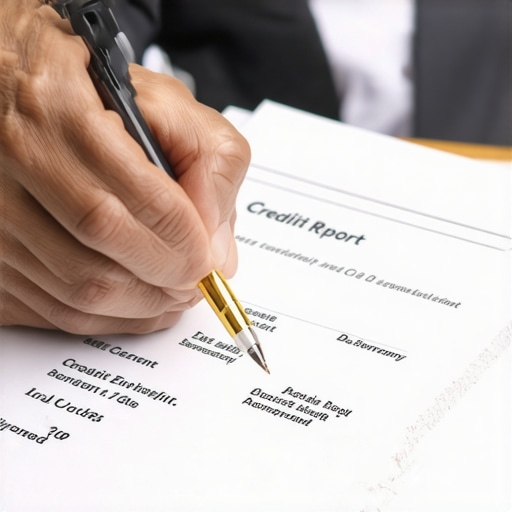 Many people believe that disputing errors alone guarantees a higher FICO score, but the reality is far more nuanced. A common misconception is that fixing one or two mistakes will lead to an immediate score boost. In truth, credit building and repair require a comprehensive strategy that considers how various factors interplay—like payment history, credit utilization, and the types of credit you hold. Relying solely on dispute resolution without improving underlying habits can trap you in a cycle of temporary fixes that don’t yield lasting results.
Another misconception centers around the idea that all credit disputes are straightforward. While minor errors such as misspelled names or outdated addresses can be quickly resolved, more complex issues—like fraudulent accounts or identity theft—demand a strategic approach. For instance, if you encounter a charged-off account that isn’t yours, it’s crucial to follow specific steps, including filing police reports when necessary, to document your case thoroughly. Skipping these steps can result in bureaus dismissing your dispute, leaving the misreporting uncorrected.
A subtle trap many overlook is the belief that paying off debt will immediately improve your credit score. The truth is, paying down balances can sometimes temporarily lower your score due to the way utilization ratios are calculated at the time of reporting. It’s essential to time payments and credit applications carefully. For example, opening a new credit account to increase your available credit can boost your score—if done correctly—but if mismanaged, it may actually harm your credit profile.
Make sure you don’t fall into the trap of overestimating the impact of minor score fluctuations. According to credit expert Barry Paperno, small score changes are often statistical noise, and obsessing over them can distract you from building a solid, long-term credit profile. Instead, focus on consistent good habits like making timely payments, maintaining low utilization, and diversifying credit types.
Speaking of myths, many believe that credit repair companies can guarantee the removal of all negatives from your report. Yet, the Fair Credit Reporting Act stipulates that only accurate and verifiable information can be removed, and disputing errors is a process, not a promise. For an in-depth guide on actionable strategies, check out this resource.
Meanwhile, advanced readers should consider the hidden nuance behind FICO score calculations. Not all scoring models weigh the same factors equally, and some inaccuracies may have a disproportionate impact on your score’s movement. For example, recent studies indicate that medical collections can now be weighted less heavily in newer models like FICO 9 and 10. Staying informed about such nuances ensures you’re focusing your efforts where they count most.
Have you ever fallen into this trap? Let me know in the comments. Remember, mastering the subtleties of credit repair can make the difference between temporary fixes and lasting financial health.
Keep Your Credit Building Efforts Steady and Strong
Once you’ve completed the initial dispute process and made positive credit habits, the next step is ensuring these improvements are sustainable. The key is to stay equipped with the right tools and methods that allow you to monitor and maintain your credit health effectively over time.
One indispensable resource I rely on is credit monitoring services. I prefer tools like Experian or MyFICO because they provide real-time FICO scores, so I can spot fluctuations or potential inaccuracies instantly. Doing so helps me catch issues early, like a sudden drop after a new inquiry or a reported late payment, and address them swiftly.
Another vital component of ongoing credit health is using dispute templates efficiently. I keep a set of customized dispute letters tailored for different scenarios, which I send via certified mail for added proof of submission. This is a method I recommend because it ensures your disputes are well-documented, and it prevents bureaus from dismissing your case due to procedural errors. Regularly reviewing your credit report—say, every three to six months—allows you to stay proactive and correct errors before they impact your score profoundly.
Furthermore, I suggest leveraging financial automation tools. Setting up automatic payments helps avoid missed deadlines, which are among the most damaging factors for your FICO score. Automation also reduces the mental load of managing multiple accounts, giving you peace of mind and a consistent payment history.
How do I maintain my credit gains over time?
Periodic reviews of your credit report and scores serve as a cornerstone of sustainable credit health. Additionally, avoid unnecessary new credit inquiries unless they serve a strategic purpose, such as applying for a loan when you’re sure to get favorable terms. As credit expert Barry Paperno emphasizes, ‘Regular that that your credit report remains accurate and that your habits continue to align with your financial goals is essential for long-lasting credit resilience.’ To stay on top of your game, I personally use a combination of monitoring, automated payments, and periodically updating my dispute templates—these strategies have proven effective for my ongoing credit management.
If you’re serious about keeping your credit repair gains intact, I recommend trying out automatic alerts for score changes and discrepancies. These small but powerful tools can alert you to potential issues before they snowball, protecting your hard-won gains. Remember, maintaining good credit isn’t a one-time effort—it’s an ongoing process that benefits greatly from the right tools and disciplined habits.

For an advanced tip, consider setting up automated credit utilization resets. This technique involves timing your balance reports and payments so your utilization ratio peaks when it’s most beneficial, often leading to incremental score increases over time. Implementing these nuanced strategies can give you an edge in maintaining a healthy credit profile for the long haul. Don’t hesitate—try this method today and see the difference it makes in your ongoing credit journey!
,
Fumbling My Way Through Common Credit Myths
One of the hardest lessons I learned about dispute errors and credit repair is that myths can be soul-crushing if taken at face value. I once believed that paying off debts instantly boosted my score—a misconception that led to sudden drops in my credit rating because of utilization ratios. Recognizing the importance of timing and understanding how different factors interplay was a game-changer. Also, I fell into the trap of thinking minor errors are insignificant—until I realized even small inaccuracies, like name mismatches, can have outsized impacts on my financial opportunities. These revelations taught me to question assumptions and seek knowledge that insiders keep close to the vest.
Tools and Resources That Changed My Approach
Over the years, I’ve come to rely on some proven tools for managing dispute errors and boosting my credit health. The Credit Repair Blueprint became my go-to guide for understanding the core steps of fixing errors effectively. For continuous monitoring, I trust credit monitoring services like Experian and MyFICO that provide real-time alerts and insightful reports. To streamline dispute submissions, I use certified mail templates from these trusted sources, which ensure my efforts are documented and taken seriously. Having a toolkit tailored to credit repair transforms a daunting process into an empowering journey.
The Power of Action-Driven Mindset
Ultimately, the most profound shift for me was in my mindset—seeing credit repair not as a one-time fix but as a continuous process. It’s easy to get discouraged when disputes stall or scores fluctuate, but persistence and patience pay off. Building good habits like automated payments, strategic inquiries, and regular report reviews create a resilient credit profile that withstands errors and negative marks. I urge you not to wait for a perfect moment—start now with small, tangible steps. Remember, your credit health is a reflection of your ongoing commitment, and every proactive effort elevates your financial confidence. Take control, stay consistent, and watch your credit story transform.