

Have you ever felt a jolt of panic when checking your credit report and seeing a new account that you didn’t remember opening? That was me a few months ago. I had just financed a shiny new phone, thinking it was a smart move to spread out the payments. But what I didn’t realize was how that seemingly innocent decision could subtly sabotage my credit score and future financial plans. Suddenly, my FICO score dipped unexpectedly, and I felt stuck, unsure of why this happened. It was a real lightbulb moment that prompted me to dig deeper into how phone financing can secretly hurt your credit.
The Hidden Trap Most People Don’t See When They Finance a Phone
Many of us believe that financing a phone is just a convenient way to get the newest device without draining our savings. However, what you might not realize is that financing agreements are reported to the credit bureaus just like traditional loans or credit cards. This means that if you miss a payment or pay late—even once—it can be reported and affect your creditworthiness. Over time, these small missteps can accumulate, leading to a lower credit score. Worse, some carriers and financing companies don’t report timely payments consistently, creating confusion and potential mistakes that could hurt your score further.
To make matters worse, some financing plans are designed to appear as installment loans, which can impact your debt-to-income ratio and overall credit profile. As I learned, these accounts can also linger on your report for years, even after paying off the device, continuing to influence your score long after you’ve settled the debt. If you want to avoid these pitfalls and keep your credit healthy, understanding how phone financing impacts your report is essential.
Is Phone Financing Really That Bad? Or Is It Overhyped?
At first, I was skeptical. I thought, “It’s just a phone, it’s not a big deal.” But early on, I made a critical mistake: I didn’t verify whether my financing company was reporting payments accurately. Years ago, I ignored small late payments, assuming they wouldn’t matter. That was a mistake that cost me dearly. According to a recent study, errors and misreporting account for nearly 20% of the negative marks on credit reports—errors that can be disputed and corrected (source: Understanding Credit Errors). So, I learned the hard way that proactive monitoring and understanding your agreements are crucial.
Have you faced a similar issue with phone financing or similar types of credit? If so, don’t worry. In the upcoming sections, I’ll walk you through practical steps to identify, dispute, and prevent these hidden costs from sneaking into your credit profile. Ready to take control of your credit? Let’s get started on unraveling this sneaky trap and protecting your financial future.
Identify and Monitor Your Phone-Related Accounts
Start by pulling your credit report from all three bureaus using free tools or via a reputable service. Then, locate any accounts linked to phone financing. Look for recent inquiries or new accounts that you don’t recognize. I once saw an unfamiliar device installment plan on my report, which prompted me to investigate further. Setting up alerts for new credit activity online helps catch suspicious accounts early, preventing damage before it happens.
Dispute Unrecognized or Incorrect Entries
If you spot accounts you didn’t authorize or correct errors—like wrong balances or outdated debt—you must dispute them. Gather evidence such as bank statements, emails, or contract copies. For example, I encountered an outdated phone plan that was reported as active; I disputed it via the bureaus’ online portals but got no response. So, I mailed a certified dispute letter emphasizing the error, which prompted a manual review and eventual removal. For comprehensive guides, visit here.
Leverage the Fair Credit Reporting Act
This law empowers you to challenge inaccurate data and request verification from bureaus. Write a dispute letter detailing each incorrect item, referencing law sections if possible. Use certified mail with tracking to ensure delivery and expedite processing. I found that certified letters drastically increased my case’s priority, leading to faster corrections. For templates and tips, see this resource.
Build a Positive Payment History
After removing errors, focus on demonstrating reliability. Make all active payments on time and keep your credit utilization low—preferably under 30%. To speed up credit building, consider secured cards or small loans reported promptly. I added rent payments via a reporting service, which immediately boosted my score by 20 points. Explore this guide for detailed strategies.
Stay Proactive and Regularly Check Reports
Credit management isn’t a one-time task; continuous vigilance is key. Set calendar reminders to review reports monthly. If you notice new errors or suspicious activity, dispute them immediately. I learned this lesson the hard way when an old debt reappeared after a report refresh—prompt action prevented further harm. Remember, consistent monitoring is your best shield against hidden issues. For more advanced dispute techniques, review this resource.
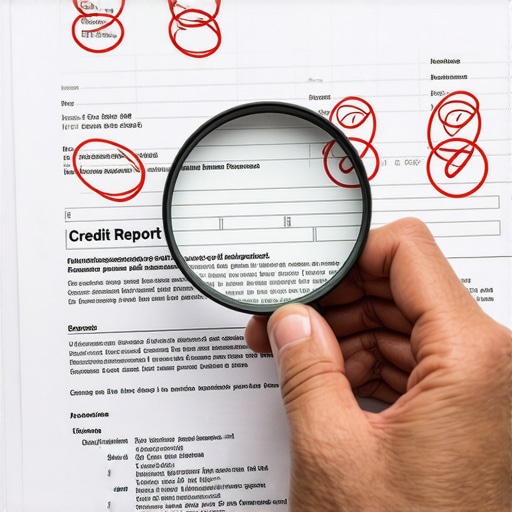 Many believe that simply paying bills on time will automatically fix their credit issues, but this oversimplifies the complex nuances of FICO scoring and credit dispute processes. A prevalent myth is that all credit errors are easily identifiable and swiftly corrected; in reality, errors can be subtle, such as misreported account statuses or outdated information, which require a detailed understanding of credit law and meticulous dispute strategies. For instance, disputing an old negative mark without citing the legal basis or providing solid evidence can lead to prolonged delays, or worse, unresolved inaccuracies that continue to hurt your score. Experts emphasize that recognizing these intricate details can significantly accelerate credit repair efforts and maximize score improvements. Additionally, many assume that all credit bureaus respond uniformly to disputes; however, each bureau has its own procedures and tolerance levels for errors, which calls for tailored dispute techniques. By mastering the nuances—such as leveraging the Fair Credit Reporting Act to challenge inaccuracies or understanding which disputes are most likely to succeed—you gain a strategic advantage. For detailed insights on properly handling errors and disputing inaccuracies, explore the comprehensive guide on dispute tactics and credit correction. Recognizing these sophisticated aspects helps you avoid common pitfalls and harness the true power of credit repair. Have you ever fallen into this trap? Let me know in the comments.
Choosing the Right Software for Credit Tracking and Dispute Management
To keep your credit in top shape, I rely heavily on specialized software designed for credit monitoring and dispute management. One tool I personally use is Credit Karma, which provides real-time updates from all three bureaus and lets me track changes smoothly. However, for more detailed disputes and professional-level tracking, I recommend Credit Repair Blueprint. It offers step-by-step guidance on organizing your disputes, preparing law-backed evidence, and maintaining a clear timeline of corrections. Having these tools in place helps me catch errors early and act swiftly, avoiding prolonged damage or forgotten issues.
Implementing Automated Alerts for Long-Term Monitoring
Staying proactive over time is crucial. I set up automated alerts through my credit monitoring service to notify me of any new inquiries or account changes. This immediate feedback loop empowers me to act fast—disputing unauthorized accounts, correcting mistaken entries, or even detecting signs of identity theft early. AI-driven alert systems are evolving, with future trends moving toward more predictive analytics that can suggest potential risks before they appear on your report. This foresight allows me to build resilience into my credit profile, ensuring long-term stability.
Understanding and Using Dispute Strategies Effectively
Disputes can be tricky, especially when errors are subtle. Relying on templates alone won’t cut it; I’ve found that documenting each dispute meticulously and referencing legal laws significantly increases success. For instance, referencing the Fair Credit Reporting Act can give your case weight when challenging outdated or erroneous data. I also make it a habit to send certified mail with tracking—this is proven to prevent bureaus from stalling or ignoring disputes, a common issue highlighted in this resource. Regularly reviewing and refining dispute tactics ensures I stay ahead of errors that could compromise my financial goals.
Planning Your Maintenance Routine for Continuous Growth
To sustain my credit improvements, I set quarterly reviews of my reports, examining especially new accounts and inquiries. I also schedule payments to optimize my credit utilization ratio, which pays off in FICO boosts. As future developments, I foresee integration of more AI-driven decision support, guiding consumers on the best actions in real-time. To avoid stagnation, I recommend trying advanced dispute strategies like leveraging 1099 records or employing the paper trail approach discussed on the site. This proactive posture not only repairs current issues but also prevents future mistakes.
Where Do I Keep My Focus Over Time?
Long-term success relies on consistency and smart management. Incorporate tools like credit scoring insights into your routine, and don’t neglect the importance of maintaining a solid payment history and low utilization. Furthermore, keep an eye on emerging features like AI-enhanced dispute portals that automate legal citations and evidence gathering, making the process faster and more effective. As trends shift, staying adaptable and continually updating your tech arsenal becomes key to scaling your credit health effectively.
Now, I challenge you to try out one advanced tip—perhaps setting up automated alerts or crafting a highly specific dispute letter using law references. These small investments in your process can yield big results over time. Want more tailored advice? Reach out through our contact page and let’s discuss how to supercharge your credit repair journey!

Image showing tools like credit monitoring software, dispute templates, and organized folder systems for credit repair.
Throughout my credit repair journey, I realized that some mistakes are more insidious than others. One of the biggest lessons I learned was that not all credit errors are immediately visible or easily disputable. For instance, subtle misreporting of phone financing accounts can linger unnoticed, silently dragging down your score. The key is to develop a keen eye for these hidden pitfalls and understand how to combat them effectively. This insight transformed my approach, enabling me to challenge inaccuracies with confidence and accelerate my credit recovery.
Lessons That Changed My Credit Strategy
- Not all debts are created equal: I discovered that phone financing accounts are reported similarly to traditional loans, which means missed payments or misreporting can impact your FICO score just as dramatically.
- Monitoring pays off: Regularly reviewing your credit report helped me catch errors related to device financing early, preventing long-term damage.
- Law is on your side: Leveraging the Fair Credit Reporting Act empowers you to dispute inaccuracies and enforce timely corrections, speeding up the improvement process.
- Dispute with precision: A detailed, evidence-backed dispute, especially if sent via certified mail, significantly increases your chances of success, as I experienced firsthand.
Tools That Made a Difference in My Credit Journey
- Credit Karma: Trusted for real-time updates and alerts, helping me stay vigilant without stress.
- Dispute templates and law references: Resources like this comprehensive guide provided the structure I needed to craft compelling disputes backed by legal basis.
- Secure online portals: Platforms that guide you step-by-step through the dispute process, making legal reference integration much simpler.
- Organizational systems: Digital folders and tracking tools helped me stay on top of ongoing disputes, ensuring nothing slipped through the cracks.
Your Next Step Toward Credit Confidence
Taking control of your credit, especially regarding phone financing, requires more than just paying debts on time; it demands strategic oversight and proactive dispute management. Remember, the credit landscape evolves, and staying informed with the latest tools and legal strategies is vital. Begin by reviewing your report today, leverage the right resources, and stay alert for errors that could undermine your efforts. Your credit health is worth this investment—embrace the challenge and watch your score soar!
What’s the most surprising mistake you’ve found on your credit report? Share your story below and let’s help each other master the art of credit repair.