
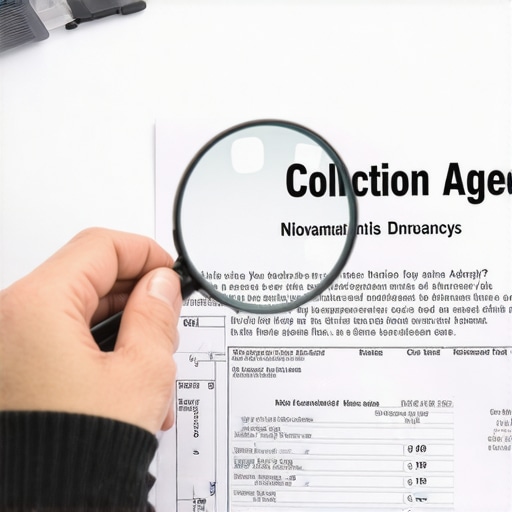
I remember the moment vividly—I was staring at my credit report, and there it was: a collection account I didn’t recognize. Panic crept in. My heart pounded. I thought, “Was I being targeted? Or was this just another mistake?” That lightbulb moment made me realize something crucial: if you want to take control of your credit, you need to know how to prove a collection agency lacks valid documentation. Today, I promise to guide you through what I’ve learned from personal experience and extensive research so you can confidently challenge suspected inaccuracies.
Why You Should Care About Validating Collection Accounts
Before diving into strategies, let’s understand why this matters. An unverified collection can do serious damage to your credit score, affecting your ability to get loans, rent a home, or even secure a job. But here’s the kicker: collection agencies are not infallible. According to a study by the Federal Trade Commission, nearly 20% of credit reports contained inaccuracies, many involving collections. That’s a significant chunk of people just like us being misrepresented.
What frustrated me early on was realizing that many people don’t even know they can challenge these accounts or how to do it effectively. I made that mistake myself—accepting the debt as valid without asking for proof. It’s a common pitfall, but here’s the truth: you do not have to accept any account without verified documentation. Your rights are protected by laws like the Fair Credit Reporting Act, which provides mechanisms for you to dispute and validate debts.
Is Disputing a Collection Really Worth the Hassle?
This was the big question I grappled with initially. Will it truly make a difference? Spoiler alert: yes. I saw my scores rebound after successfully challenging and removing invalid collections. It’s not always quick or easy, but the long-term benefits—like cleaner credit reports and better financial leverage—are worth it. Early in my journey, I made the mistake of ignoring these inaccuracies, thinking they wouldn’t impact me. That’s a mistake many make. Understanding how to challenge debts effectively can save you time, money, and stress.
If you’ve ever wondered whether questioning questionable collection accounts can lead to real change, you’re not alone. And I’ll tell you: there are proven methods and tactics that work. The key is knowing what evidence you need and how to present it convincingly. This is where a clear strategy, backed by research and experience, becomes essential.
Now, let’s move beyond the why and get into the how. In the upcoming sections, I’ll share step-by-step actions to identify unverified collections and challenge them successfully. If you’ve faced this problem—if you’ve seen a collection account that doesn’t seem right—know that you’re not powerless. With the right approach, you can turn the tide in your favor.
Identify the Collection Accounts That Need Validation
Start by obtaining your complete credit report from all three bureaus. Carefully review each collection entry, and look for accounts that seem unfamiliar, outdated, or incorrect. Use a pen or digital mark to flag entries that you’re suspicious about. For example, I once found an unfamiliar medical bill from a provider I never visited. This step is crucial because disputing only the questionable accounts saves time and focuses your efforts on correcting real errors.
Gather Evidence to Support Your Dispute
Collect documentation that proves the account is inaccurate or unverified. This can include billing statements, payment records, insurance claims, or correspondence. For instance, I found a copy of my bank statement showing no payments to the disputed creditor. The more concrete and time-stamped your evidence, the stronger your case will be.
Use the Notarized Proof When Possible
If you have notarized documents or sworn affidavits that confirm your claim, include these as part of your evidence. Such documents can significantly strengthen your dispute if the bureaus or collectors challenge your claim. Remember, detailed and official proof increases the likelihood of swift correction.
Write a Clear, Concise Dispute Letter
Craft a dispute letter that succinctly explains which account you contest, why it’s wrong, and attaches your evidence. Be specific—include account numbers, dates, and descriptions. Avoid emotional language; stay factual. For example, I wrote a letter disputing an outdated collection, attaching my bank statement, and clearly stating the date of the last payment I made, which proved the debt was settled. This approach aligns with the recommended process in credit repair strategies.
Send Disputes via Certified Mail
Mail your dispute letter through certified mail with a return receipt requested. This provides proof of delivery and date, critical if the dispute escalates to legal or regulatory review stages. When I disputed an entry, I kept all mailing receipts and tracking info, which later helped when I challenged the bureaus’ response. This documented process is a key step in dispute and credit optimization.
Follow Up and Track Your Disputes
Monitor your credit reports regularly—at least every 30 days—for updates. If the bureau or creditor does not respond within the 30-day window, or if they dismiss your claim without proper validation, you can escalate. I kept a log of all correspondence dates, responses, and outcomes. This meticulous tracking prevents your disputes from falling through the cracks and aligns with tips found in dispute process guides.
Request Reinvestigation When Disputes Are Denied
If the credit bureau dismisses your dispute without proper validation, demand a reinvestigation and provide additional proof if you have it. Consider filing a formal complaint with the Consumer Financial Protection Bureau or your state attorney general if violations occur. When I faced a rejected challenge, I gathered new bank statements and sent a supplementary letter petitioning for a second review. This persistence aligns with resolving dispute errors.
Verify Updates and Keep Records
Once the dispute is resolved, check your credit report to ensure the correction was made. Save all correspondence, proof of dispute, and any new reports for your records. This documentation is vital if future errors arise or if you need to prove efforts to correct your credit. Continuous monitoring and record-keeping form the backbone of a strategic credit recovery plan outlined in credit building strategies for 2025.
Many people believe that simply paying off debts or closing old accounts will automatically improve their credit scores. However, this oversimplifies the complex factors that influence FICO scores and can even backfire if misunderstood. For instance, closing old credit accounts may reduce your available credit, increasing your utilization ratio, which can lower your score—a common mistake many make without realizing the nuanced impact on credit building strategies. Additionally, a widespread myth is that credit repair companies can instantly fix errors; in reality, understanding the detailed process of dispute validation and leveraging your rights under the Fair Credit Reporting Act leads to more sustainable improvements.
Let’s address a sophisticated question: How do dispute errors truly affect your FICO score beyond just the immediate correction? The truth is, unresolved errors can trigger manual reviews or influence risk assessments used by lenders, impacting scoring models even after correction. According to a FICO expert analysis, errors, especially those involving late payments or collections, can have lingering adverse effects if not properly challenged and corrected.
Beware of the trap of thinking that disputing every inconsistency will speed up your scores. Not every dispute is valid, and frivolous challenges can lead to delays or even negative consequences if not properly supported by evidence. Focus on disputing only well-documented inaccuracies. A strategic approach involves understanding the nuances of how different errors influence your risk profile and FICO calculations. For example, inaccuracies related to outdated or duplicate accounts are often easier to fix and can significantly boost your score when corrected, as detailed in this guide.
In developing your credit improvement plan, consider not just fixing errors but also optimizing your credit mix and payment history to strengthen your profile long-term. Many overlook the importance of small, consistent positive behaviors that FICO scores prioritize—like increasing your credit limit responsibly or maintaining low utilization. For more advanced strategies, explore mastering FICO score optimization for actionable insights.
Have you ever fallen into this trap? Let me know in the comments. Remember, understanding the hidden nuances behind credit repair initiatives can make the difference between superficial fixes and genuine financial progress.
Keeping It Working: Tools I Recommend for Credit Maintenance
Once you’ve made significant strides in cleaning up your credit report and boosting your FICO score, the journey doesn’t end there. Maintaining your progress requires consistent effort and the right tools. I personally rely on a combination of software and disciplined methods to ensure my credit remains in top shape.
For instance, I use Credit Monitoring Services like IdentityIQ because they provide实时 alerts for any changes in my credit report. This immediate notification system allows me to spot unauthorized inquiries or new accounts that could indicate fraud or errors, enabling prompt action. These services often come with a dedicated mobile app, making it easy to stay vigilant from anywhere.
Additionally, I utilize Excel-based Tracking Sheets to log disputes, correspondence dates, and outcome statuses. This manual method might seem old-fashioned, but it gives me full control and a clear overview of ongoing issues. For example, I record when I send dispute letters, follow-up dates, and responses received. Having this detailed log helps me identify patterns and expedite future disputes.
On the technical side, FICO Score Simulation Software can be an invaluable tool. While many are paid, I recommend researching options that allow you to test how certain actions—like paying down debt or opening a new account—will impact your score. Forward-looking tools help plan long-term strategies, ensuring you’re not just fixing errors but also optimizing your credit profile for future goals.
How do I keep my credit healthy over time?
Consistency is key. Set reminders to review your credit reports every 30 to 60 days using free resources like AnnualCreditReport.com. Combine this with automated alerts from your monitoring services to stay ahead of potential issues. Also, maintain healthy credit habits—keep utilization low, avoid excessive new inquiries, and pay bills on time.
Looking ahead, the trend in credit management is moving towards more sophisticated AI-driven monitoring and dispute automation. These innovations promise faster, more accurate detection of errors, and even intelligent dispute responses. Staying updated on these developments can give you an edge in preserving your credit gains.
If you haven’t already, try implementing a weekly review schedule paired with a reliable monitoring tool. This small investment of time can save you from future setbacks and help you hold onto your hard-earned improvements. Remember, your credit report is a living document; continuous care ensures it reflects your true financial position, not outdated or erroneous information.
By combining disciplined manual tracking with modern technology, you’re setting yourself up for long-term success. For more insights on staying proactive, explore mastering FICO score strategies. Don’t wait for errors to surface—stay ahead with these maintenance habits today.
The Hardest Lesson I Learned About Credit Repair, Credit Building, Dispute Errors, FICO
One of my most profound realizations was that not all credit report errors are obvious or easy to spot. Early in my journey, I believed that paying off debts automatically improved my score, but I overlooked the importance of disputing inaccuracies. It’s often the small, hidden errors—like outdated information or duplicate accounts—that have the biggest impact on your credit standing. Learning to identify and challenge these subtle mistakes was a lightbulb moment that dramatically transformed my financial health.
The Myth That Could Sabotage Your Credit Growth
Many people fall into the trap of believing that closing old accounts or merely paying debts off will instantly boost their FICO scores. I discovered firsthand that such actions can sometimes backfire, especially if they reduce your available credit, increasing your utilization ratio. Recognizing the nuances behind credit utilization and the importance of maintaining open, well-managed accounts has been crucial. This myth, if unchallenged, can prevent you from deploying smarter credit-building strategies.
What Industry Secrets Aren’t Telling You About Dispute Validation
It turns out that the core of effective credit repair lies in understanding your rights under laws like the Fair Credit Reporting Act. I learned that pushing for proper validation of disputed accounts requires specific evidence, like bank statements or notarized documents. Knowing how to request reinvestigations and escalate disputes when necessary gave me leverage against unverified or inaccurate entries, avoiding unnecessary damage to my credit profile.
How a Single Dispute Changed My Credit Narrative
One experience that stands out is successfully challenging a medical collection I didn’t recognize. Attaching detailed proof, such as insurance claims and payment records, I was able to get the account removed. This taught me that strategic and well-supported disputes can lead to immediate results—saving the time and stress of ongoing credit issues. It’s a powerful reminder that your persistence and evidence matter more than you might think.
Turning Personal Insights into Effective Strategies
If I could emphasize one lesson, it’s this: your credit story is yours to control. Recognize the small, often overlooked errors, arm yourself with the law, and don’t hesitate to challenge anything that doesn’t add up. Regular monitoring, combined with strategic disputes, creates a fortress protecting your financial future. Remember, the responsibility for your credit health is in your hands, and knowledge is your most potent tool—learn to wield it wisely by exploring more at mastering FICO score strategies.