

I remember sitting at my kitchen table, staring at my credit report with frustration. After finally paying off that long-standing car loan, I expected my score to soar. Instead, it took a strange dip, leaving me puzzled and worried. That lightbulb moment was eye-opening—I realized this isn’t an isolated problem, but a common hiccup many people face in their credit journey.
Understanding the Surprising Drop in Your FICO Score
The truth is, paying off a loan might seem like a clear win. However, credit scoring models like FICO are more nuanced. When a loan account drops off your credit report after the final payment, it can sometimes lower your overall score. This happens because your credit mix and age of accounts—key factors in FICO’s calculation—are affected.
Early on, I made the mistake of thinking my debt elimination was the final step. Instead, I learned that managing the remaining credit factors wisely is crucial to maintaining or boosting your score over time. According to credit building strategies, understanding how each change impacts your credit profile is vital for long-term success.
Are you worried that paying off your loans might harm your credit instead of helping it? You’re not alone. Many face this confusion, and it’s the reason I want to walk you through what really happens—and more importantly, how to prevent your score from taking unwanted dips even after you’ve paid everything off.
In the upcoming sections, we’ll explore specific strategies to protect and improve your FICO score, even when your credit accounts are changing. If this sounds familiar, keep reading—because your credit score doesn’t have to suffer setbacks when you pay off debt. Instead, with the right approach, you can turn this situation around and build a stronger financial future.
Tackle Errors with a Sharp Eye
Start by thoroughly reviewing your credit report for inaccuracies. Use a step-by-step approach, such as the one outlined in this guide. Look for incorrect late payments, outdated information, or accounts you don’t recognize. For instance, I once found a medical collection listed twice, which artificially lowered my score. Disputing such errors is critical to clean your credit file.
Next, prepare your evidence. For disputes, your bank statements, payment receipts, and official correspondence serve as powerful proof. When I disputed an erroneously reported late payment, I submitted my bank statement showing the on-time payment date. This small act shifted the bureau’s perspective, leading to deletion of the error.
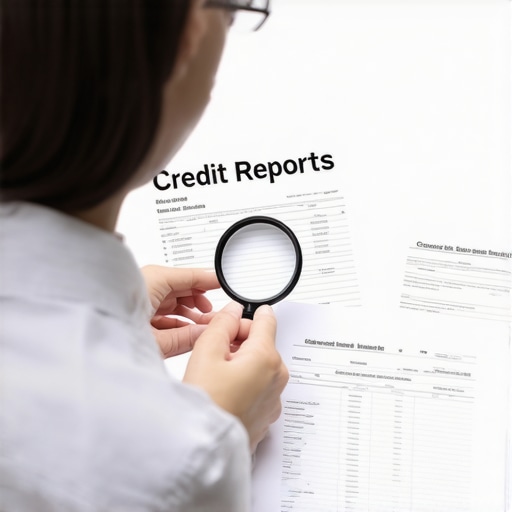
Dispute Effectively to Remove Negative Items
Disputing inaccurate or outdated information requires a strategic approach. Craft clear, concise dispute letters highlighting specific errors and attach your evidence. Remember, automatic dispute processes often fail because they miss nuanced details. Therefore, request a manual review if needed, following proven methods like those in this article.
Be persistent. If bureaus reject your initial dispute, escalate by submitting a detailed letter with your evidence and a request for manual review. I once had a settled collection that was inaccurately reported as unpaid. After submitting a detailed dispute with supporting documents, the bureau reversed the status, improving my score.
Optimize Your Credit Profile Strategically
Beyond removing errors, building positive credit remains essential. Focus on increasing your credit utilization ratio wisely—keep balances low relative to your limits. Using the ’30-day rule,’ pay your debts before they report to maximize scores. For instance, I scheduled my payments to clear a few days before statement closing, which significantly boosted my utilization metric.
Consider establishing new, healthy credit accounts cautiously. Each new account can increase your average credit age and diversify your credit mix, both important for FICO. However, avoid applying for multiple new loans in a short time, as hard inquiries can temporarily ding your score.
Leverage Credit-Boosting Hacks
Reporting rent payments or utility bills can also add positive data to your credit file if they are not already included. For example, I reported rent payments through a third-party service, gaining easy points without extra costs. Such strategies help solidify a strong credit profile, especially when you have limited accounts.
Finally, monitor your progress regularly. Use free or paid credit monitoring tools to track how disputes and other activities influence your score. Adjust your tactics as needed, ensuring every step aligns with proven methods outlined in resources like this guide. Keeping an active eye on your report helps catch new errors early and maintains your momentum toward a healthy credit standing.Many believe that simply disputing credit inaccuracies can swiftly boost their scores, but the reality is far more nuanced. A common misconception is that all errors are easy to fix or that bureaus will automatically delete disputed items without manual review. In fact, as highlighted in this guide, understanding when to escalate disputes and how to present compelling evidence is essential for success. Rushing the process or disputing every minor detail blindly often results in rejection, wasting valuable time and leaving errors unresolved. Additionally, many overlook that certain negative information—like settled accounts or late payments over seven years old—may be permanently faded from your report, regardless of dispute efforts. Recognizing which inaccuracies are worth pursuing and which are legally about to fall off can save you energy and improve your strategy. Another trap involves the assumption that increasing your credit accounts naturally lifts your score; however, opening too many new accounts at once can trigger hard inquiries and reduce your score temporarily. This predator of common wisdom can be mitigated by strategic timing and understanding your credit profile, as discussed in this resource. Beyond the errors and account management, many underestimate how the weighting of FICO factors subtly shifts over time. For example, recent inquiries may have a more pronounced negative impact than older ones, emphasizing the importance of timing in your repair and building efforts. In fact, some advanced strategies, such as leveraging the FICO score’s scoring algorithm knowledge, can help you optimize your actions for maximum benefit. But beware—taking shortcuts or relying on myths without proper understanding can backfire, especially when algorithms and regulations become more sophisticated, as this article reveals. So, the key is to pair strategic dispute techniques with a holistic credit building plan—one that considers the timing, legalities, and scoring nuances. Have you ever fallen into this trap? Let me know in the comments. As always, the smarter your approach, the faster you can achieve your financial goals.Maintaining your credit repair momentum requires more than just understanding the fundamentals; it demands the right tools and consistent practices. Personally, I rely on a combination of advanced credit monitoring software and meticulous record-keeping methods to ensure long-term success. One tool I highly recommend is Credit Karma for its real-time updates and free reports, which allow me to track changes without surprises. Additionally, I use Experian’s credit score simulator to test how potential actions—like paying down balances or disputing errors—might influence my score before making any moves.
A critical aspect of effective credit management is utilizing software that facilitates dispute processes. I frequently leverage this platform for its step-by-step dispute guides, which help me organize evidence and communicate with bureaus efficiently. These tools are designed to streamline the often daunting process of error correction, ensuring I don’t miss important details.
Tracking your credit health over time also benefits from maintaining a detailed activity log. I keep an organized spreadsheet documenting disputes filed, responses received, and account changes. This meticulous record-keeping isn’t just for clarity; it’s a strategic advantage when addressing complex errors or when manual reviews are necessary. According to recent insights from credit building specialists, this disciplined approach significantly enhances dispute success rates.
Looking ahead, I predict that artificial intelligence and machine learning tools will play a larger role in personal credit management. Future enhancements might include automated dispute detection and resolution, making it even easier for individuals to maintain a pristine credit profile. To prepare for this trend, I recommend integrating current tools with periodic manual reviews, so you stay ahead of algorithmic changes.
One actionable tip I suggest trying today is to set up automatic alerts for any changes in your credit report. This simple step ensures you’re immediately aware of unauthorized or unexpected activity, allowing swift response and dispute if necessary. By combining these tools with disciplined record-keeping, you establish a robust system that safeguards your credit progress.
If you’re interested in achieving mastery over your credit management, explore options like this comprehensive guide. Investing in the right tools and habits today will pay dividends as the credit landscape continues to evolve. Remember, proactive monitoring and dispute preparation are your best defenses against unexpected credit setbacks.
Lessons That Changed My Approach to Credit Building
One of the most eye-opening lessons I learned is that paying off a loan isn’t always an immediate boost; sometimes, it can cause a temporary dip, revealing how FICO scores are more nuanced than most realize. I also discovered that disputes aren’t just about removing errors—they’re about understanding the detailed evidence required to persuade bureaus. Furthermore, I realized that strategic timing—like paying down balances before closing statements—can significantly influence your score. Lastly, I found that understanding which inaccuracies are worth fighting for saves time and effort, preventing endless disputes over outdated information.