
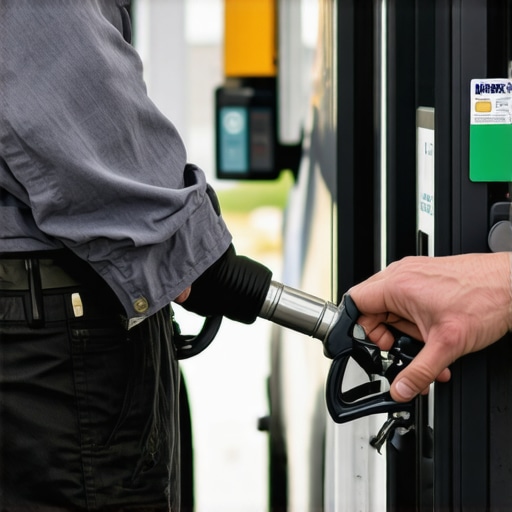
I remember staring at my credit report, feeling both frustrated and overwhelmed. A few late payments here, a mystery account there—they all added up to a score that made me feel invisible to lenders. That lightbulb moment hit me hard: I needed a real strategy, not just quick fixes. That’s when I discovered the power of using a gas card smartly, without the nightmare of debt looming over me.
Why Gas Cards Can Be Your Secret Weapon for Credit Rebuilding
High-interest credit cards and payday loans can trap you in a cycle of debt. But a gas card, especially one designed for credit building, can be a game-changer. Unlike traditional credit cards, many gas cards come with manageable credit limits and can help you establish or rebuild credit when used responsibly. My goal was to find a way to boost my credit profile without risking my financial stability, and I found that a gas card could do exactly that—if approached correctly.
Did you know that over 30% of your credit score is based on credit utilization and payment history? (Source: FICO insights) This means that how you manage small accounts, like gas cards, can significantly influence your score. My early mistake was thinking I had to max out a card or carry a balance to make an impact, but I quickly learned that responsible, small-scale usage can actually help your score soar.
The beauty of using a gas card lies in its simplicity. You make small, manageable purchases—gas, snacks, or car maintenance—and pay it off promptly. This consistent, positive payment history gradually builds your credit profile without adding to your debt burden. Over time, as your score improves, you’ll find more lending options opening up for bigger opportunities.
So, if you’re feeling stuck, the good news is that there’s a practical way to turn a simple gas card into a powerful tool for credit rebuilding. But first, let’s address some common doubts that might be holding you back.
Is Using a Gas Card Actually Worth the Hype?
Many skeptics worry that using a gas card might just lead to more debt. Early on, I made the mistake of thinking I needed to carry a balance to build credit, which only backfired. Responsible use and paying off your balance before due dates are critical to avoid interest and debt accumulation. When I finally adopted that approach, I saw my credit scores start to improve steadily. It’s about strategic, disciplined use—treat it like a small, trusted tool, not a free-for-all. If you’re ready to master this approach, I’ll guide you through the step-by-step method in the upcoming sections. And remember, building credit doesn’t have to mean drowning in debt—sometimes, the smallest steps lead to the biggest progress.
Start Small, Stay Consistent
Once you’ve chosen a suitable gas card, the key is to use it wisely. Begin by making minor purchases—gas, snacks, or car maintenance—and set a calendar reminder to pay the bill before the due date. This habit establishes a pattern of responsible credit use, which gradually enhances your payment history—a critical component of your FICO score. I remember when I first started, I kept the monthly balance under $50, ensuring I never carried a balance beyond my means. The result? My credit report reflected consistent, timely payments, and my score began climbing within a few months.
Manage Your Credit Utilization Like a Pro
Think of your credit utilization as a faucet controlling a water flow. Keep it turned low—under 30%, and ideally below 10%—to demonstrate you’re not reliant on credit. If your card limit is $500, stay below $150 in reported balances. Regularly check your statements and make a small payment before the closing date if necessary. This practice signals financial stability to bureaus and boosts your scores. For example, I used my gas card for errands and paid off the balance in full weekly, preventing any buildup. This strategy led to noticeable score improvements in less than six months.
Leverage Dispute Strategies to Clean Up Errors
While responsible use is vital, errors on your credit report can hamper progress. Disputing inaccuracies—like outdated late payments or mistaken accounts—is essential. A practical step is to review your report using [these guidelines](https://creditclaritys.com/credit-repair-secrets-how-to-resolve-disputes-and-elevate-your-credit-standing) and identify any inconsistencies. If you find an error, prepare a dispute letter following [this step-by-step process](https://creditclaritys.com/dispute-errors-on-your-credit-report-a-step-by-step-guide-for-2025). For instance, I disputed a paid collection that falsely appeared as unpaid, and after providing supporting documents, it was removed, resulting in a score lift. Remember, a clean report amplifies the impact of responsible credit management.
Understand and Optimize Your FICO Score
FICO scoring models weigh your payment history and utilization heavily. Think of your score as a report card—consistency and accuracy matter. To prevent errors from dragging your score down, regularly review [how disputes influence FICO](https://creditclaritys.com/understanding-credit-errors-a-step-by-step-guide-to-fico-improvement). Also, avoid closing old accounts prematurely; each remains a testament to your credit stability. When I closed a seldom-used card, my available credit decreased, causing a temporary spike in utilization—which I promptly corrected by increasing usage on my gas card. Such mindful actions keep your score from plateauing and promote steady growth.When it comes to repairing credit, many presume that fixing errors and paying bills on time guarantees rapid success. However, this oversimplification neglects critical nuances that can significantly impact your progress. In truth, genuine credit improvement involves understanding the complexities behind disputes, FICO scoring, and credit building tactics that many overlook. For instance, not all errors are equal—some are easy fixes, but others require meticulous evidence or strategic timing to maximize results. Relying solely on automated dispute processes or rushing to delete negative items without analyzing their impact often backfires, leaving your score vulnerable to further decreases.
A common myth is that disputing every negative entry will instantly boost your score. In reality, indiscriminate disputes can introduce additional scrutiny or even be flagged as suspicious, especially if credit bureaus notice a pattern of frequent removals. This is why leveraging the right dispute strategies, such as targeted evidence collection and understanding the legal framework under the Fair Credit Reporting Act, can foster more stable and lasting improvements.
Moreover, many focus only on FICO’s weightings—payment history and utilization—without appreciating the importance of maintaining a diverse credit mix or the timing of credit inquiries. Studies, such as those by FICO, highlight that strategic account management and avoiding unnecessary hard pulls are equally critical for long-term credit health. Mismanagement here, like closing old accounts or applying for multiple new credit lines simultaneously, can unintentionally lower your score, contradicting the popular belief that more credit opportunities always mean better scores.
An advanced error many overlook involves the accuracy of reported account details, especially when account ages or balances are misreported. Such inaccuracies can lead to incorrect scoring and missed opportunities for score boosts. Regularly auditing your report and knowing how to leverage disputes effectively can prevent prolonged inaccuracies from dragging down your score. For example, initiating a manual review process or providing supplementary documentation can expedite correction of these errors, ensuring your file accurately reflects your credit management.
Finally, understanding the strategic timing of dispute filings and credit behavior adjustments is key. According to experts, aligning your credit activities with your reporting cycles or major financial goals enhances effectiveness. Jumping into disputes or credit-building efforts without regard to these nuances can result in wasted effort or unintended setbacks.
Are you familiar with these hidden pitfalls? Do you see areas where your approach might be missing critical nuances? Leave a comment below, and let’s discuss how to master these advanced credit repair strategies to truly elevate your financial profile.
Keep It Going: Essential Tools for Credit Maintenance
Maintaining your improved credit profile requires intentional effort and reliable tools. One of my go-to resources is a dedicated credit monitoring service like Credit Karma. I use it not just for alerts but also to spot any early signs of discrepancies or unauthorized accounts, which can otherwise undo months of responsible behavior. It provides real-time updates and handy score simulators, allowing me to test how different actions may impact my FICO score. As credit behavior evolves, these tools offer a safety net to keep my progress intact.
Another indispensable tool is a robust spreadsheet where I log every small transaction and payment. This might seem mundane, but it’s made a significant difference in identifying patterns that influence my credit—like noticing how small, regular payments on my gas card steadily boost my score over time. Creating a visual timeline helps me stay disciplined and see the long-term benefits, which keeps motivation high even during setbacks.
Leveraging Software for Dispute Resolution
If errors pop up on your report, software like Credit Dispute Manager can expedite the process. I personally used this digital platform to systematically prepare dispute letters, ensuring I included all necessary evidence—like bank statements or receipts—to strengthen my case. The software also tracks your dispute status and reminds you of follow-ups, which is crucial because many errors persist simply due to neglect or oversight. Staying proactive with such tools ensures lingering inaccuracies are corrected swiftly, preventing ongoing damage to your score.
Plan for Future Growth How Tech Will Shape Your Credit Journey
Looking ahead, I predict that AI-powered analytics will become even smarter at detecting subtle discrepancies and tailoring dispute strategies. Platforms integrated with machine learning could identify potential errors before they escalate, giving consumers a head start. Additionally, more lenders might adopt real-time data sharing, making it easier to verify your income and payment history instantly—streamlining the repair process. Staying updated with these innovations will be vital for anyone serious about long-term credit health.
How do I maintain my credit health over time?
The key lies in combining consistent monitoring, disciplined financial habits, and smart use of technology. Regularly reviewing your report—at least quarterly—can catch issues early, especially when using tools like dispute management platforms. Moreover, setting reminders for recurring payments or scheduled check-ins keeps your habits aligned with your goals. Remember, building good credit is a marathon, not a sprint, and utilizing these tools daily ensures you stay on course.
One advanced tip I recommend is to implement a ‘credit checkpoint’ every three months. This involves revisiting your spreadsheet, confirming that all accounts show accurate balances, and checking your credit scores for improvements. By doing so, you can promptly address minor issues before they snowball into serious setbacks. Try setting up automated alerts from your monitoring service today—small steps like this can lead to long-term, sustainable credit success.

What I Wish I Knew About credit repair,dispute errors,FICO,credit building That Could Have Saved Me Years
One of the toughest lessons I learned was that rushing the dispute process often leads to setbacks rather than gains. Patience and strategic evidence collection are critical; hasty attempts can trigger more scrutiny and delays. Another insight was that maintaining a diverse mix of credit accounts is more impactful than I initially believed—sticking solely to gas cards isn’t enough. I also realized that small, consistent payments outshine large but infrequent ones in building a trustworthy credit history. Finally, I discovered that understanding the legal rights under the Fair Credit Reporting Act empowers you to dispute inaccuracies confidently and effectively; it’s a game-changer that many overlook.
My Secret Arsenal for Elevating credit scores
Tools like dispute management platforms have been instrumental in streamlining error correction, ensuring no mistake is left unchallenged. For ongoing monitoring, I trust credit monitoring services like Credit Karma to provide real-time updates and alerts. My personal spreadsheet keeps me accountable for every small payment and balance change, revealing patterns that accelerate credit growth. Staying proactive with these resources has transformed my approach from reactive to strategic, making steady progress possible.
Find Your Drive and Transform Your Future
Your journey to excellent credit is uniquely yours—embrace the process with patience, strategy, and dedication. Remember, even small improvements compound over time into substantial gains. Take that first step today—review your report, set a budget for responsible gas card use, and leverage the tools designed to support your success. Your credit future is waiting to be unlocked—don’t let fear or uncertainty hold you back. You’ve got this, and every smart move counts toward a brighter financial horizon.
,