

One morning, I opened my mailbox and found a rejection letter from a credit bureau. Turns out, my dispute about a questionable charge-off had been ignored because I didn’t have the original signed contract. That lightbulb moment hit me hard. I realized I’d been swimming upstream without the right bait, wasting weeks chasing errors that couldn’t be fixed without proper proof.
Why Your Dispute Might Fail Without the Right Evidence
Many people assume that simply pointing out discrepancies on their credit reports will lead to easy fixes. But the reality is, credit bureaus often ignore disputes if you don’t include the correct, original documentation—especially the signed contract that ties the debt to you. Without this, your dispute is like a shot in the dark, unlikely to produce the results you want.
In my early days of credit repair, I made the mistake of sending generic dispute letters. I didn’t realize that providing clear, verified proof dramatically increases the chances of successful deletions. The truth is, the credit bureaus are more responsive when they see concrete, irrefutable evidence from original sources. According to this resource, including original signed agreements is crucial for resolving disputes effectively and boosting your FICO score.
Are Dispute Letters Alone Enough to Fix Your Credit?
Early on, I believed that a well-worded dispute letter could fix everything. Spoiler: It can’t. Without bringing the original signed contract into play, your chances of success are slim. Adding this crucial piece of evidence changes the game entirely. It’s like having the key to a locked door instead of just hoping it opens.
Gather Essential Evidence First
Before you initiate any dispute, collect all relevant documents, especially the original signed contract or agreement linked to the disputed debt. I remember a time when I thought a copy of my credit report was enough. When my dispute was rejected, I realized I needed the signed contract as irrefutable proof. Contact the creditor to request the original paperwork; they’ll often send scanned copies or certified copies that can be pivotal in dispute success. This step acts as the key to unlocking a manual review, significantly increasing your chances of deletion.
Prepare a Clear, Concise Dispute Letter
Draft a dispute letter tailored for each error, referencing specific items and attached evidence. Use a format that emphasizes clarity: state the error, provide your evidence, and explicitly ask for correction or deletion. Analogously, think of this as a map guiding the bureau to the exact error. Remember, avoid generic dispute language; instead, be precise, such as “Attached is the signed contract proving I did not incur this debt,” which aligns with proven dispute tactics outlined here. Submitting a well-structured letter with supporting docs increases your odds of a manual review.
Use Certified Mail for Documentation
Send your dispute letters via certified mail with return receipt requested. This creates a paper trail, forcing the bureaus to respond within a specified timeframe, often 30 days. I once sent a dispute this way for a misreported late payment, and when the bureau stalled, I used the receipt timestamp to escalate the issue, ultimately leading to deletion. The certified mail process acts as leverage, signaling your seriousness and creating undeniable evidence if you need to dispute bureau inaction.
Request a Manual Review End-to-End
Explicitly ask for a manual review by noting in your letter: “Requesting a thorough, human review of all attached documents.” This is crucial because automated AI filters often reject standard disputes. A manual review allows a human analyst to see your evidence, especially original signed contracts, which they are more likely to verify. As I learned firsthand, when I requested a manual review for a medical collection, the human eye caught the inconsistency in my attached proof and led to successful removal. Always include a cover page reiterating your request for manual processing.
Leverage the Power of Follow-Up
If the bureau responds with rejection, review their explanation carefully. Sometimes, their denial may stem from insufficient evidence or a misunderstood dispute. In such cases, send a follow-up letter referencing their response, attaching additional documents if possible. Keep correspondence professional and persistent. For example, I once received a rejection citing missing documentation, but after resubmitting with a notarized affidavit, I secured deletion. This persistence and clarity can tip the scales in your favor, especially when you build a comprehensive evidence trail.
Document Everything for Your Records
Maintain a detailed log of all communications—including copies of sent letters, proofs, delivery receipts, and bureau responses. This archive becomes your armor if disputes need to escalate to a legal complaint or a 609 dispute. Regularly review your files to identify patterns or errors that might require different strategies. My success in clearing an obsolete collection account was due to meticulous record-keeping, which proved that I had consistently challenged the error with documented evidence.
Applying these concrete steps transforms a vague effort into a strategic assault on credit report errors. It’s not enough to simply dispute; you need to be precise, persistent, and prepared with evidence—especially the original signed contracts—if you want to boost your FICO effectively. For a deeper dive into dispute tactics and boosting your score, consider the insights available here.
Many individuals believe that simply highlighting errors on their credit reports suffices for effective repair. However, this misconception overlooks critical nuances that can drastically influence outcomes. One prevailing myth is that the complexity of credit disputes can be simplified to a straightforward process of sending dispute letters. In reality, understanding the subtleties—such as the importance of providing original signed contracts, timing strategies, and manual review requests—can make the difference between a successful deletion and a prolonged impasse. Moreover, many assume that all errors are equally fixable; yet, errors stemming from identity theft or fraudulent accounts often require different tactics than simple reporting mistakes. This nuanced understanding is backed by expert insights from sources like this comprehensive guide, emphasizing the importance of tailored approaches in dispute resolutions.
Why Do Automated Disputes Usually Fail and How Can You Avoid That?
The common pitfall lies in relying solely on automated dispute processes, which are increasingly prevalent due to bureau systems leveraging AI filters. These systems often reject disputes without thorough review, especially if the submitted evidence isn’t compelling or properly formatted. The ‘oops’ here is to assume that online disputes are enough; instead, employing certified mail with proof of delivery and requesting manual reviews can significantly improve success rates. According to this resource, manually guided disputes with well-organized evidence—such as original signed contracts or notarized affidavits—are far more likely to produce results, especially for complex errors like charge-offs or fraudulent accounts. Remember, patience and persistence, combined with strategic evidence presentation, often outperform automated methods. Have you ever fallen into this trap? Let me know in the comments.
Another misconception is that correcting errors alone boosts your FICO score instantly. While fixing inaccuracies is fundamental—see these smart tactics—it’s equally vital to understand how disputed errors interact with scoring models and credit-building strategies. For instance, even after removal of a negative item, building a strong credit profile requires proactive measures like diversifying credit types and maintaining low utilization, as detailed in this article. This layered approach ensures that repairs translate into tangible score improvements over time.
The Hidden Danger of Ignoring Sophisticated Dispute Techniques
One advanced mistake many overlook is neglecting the timing of disputes and understanding how certain strategies can trigger hard inquiries or pauses in scoring updates. For instance, disputing a recent late payment immediately after it posts might freeze your score’s progress temporarily. Strategic timing—delaying disputes to coincide with billing cycles or leveraging the 11-day window for dispute responses—can optimize your credit health. Additionally, some creditors might re-report corrected data faster if you communicate directly or use proven dispute channels like certified mail and manual reviews, as discussed here. Mastering these nuanced tactics can prevent setbacks and accelerate your credit rebuilding journey. So next time you approach a dispute, consider these advanced techniques to maximize your success. Remember, understanding the intricacies of credit repair isn’t just for experts—it’s for anyone serious about reclaiming their financial health. Want to learn more about these strategies? Check out this guide. Have you ever fallen into this trap? Let me know in the comments.
One-Step-At-A-Time Maintenance
Maintaining your credit health over time is about more than just fixing errors once. It requires a strategic approach with dedicated tools and consistent habits. For instance, I swear by using a dedicated credit tracking app like Experian’s CreditWorks, which allows me to monitor credit report changes and spot errors before they impact my score. The key is to set up alerts for new inquiries or account updates, enabling quick responses to potential issues.
Another invaluable tool is the annual credit report service provided by Credit Karma. It’s free, offers real-time updates, and grants insight into your credit mix, utilization, and recent activity—essentials for proactive management. Regular review ensures you stay ahead of any emerging errors or fraudulent activity. Implementing automated alerts, coupled with these report reviews, forms your first defense against long-term credit deterioration.
How do I maintain credit accuracy over time?
Beyond technology, consistent communication is essential. Establish a routine to dispute outdated or incorrect info as soon as it’s noticed. For example, if your account shows a late payment that was already corrected, sending a quick dispute with supporting documentation prevents the error from lingering and damaging your score. Remember, the dispute process isn’t a one-time fix—it’s an ongoing effort. Incorporate these reviews into your regular financial calendar, perhaps quarterly, to keep your credit profile pristine.
Leverage Automation for Long-Term Gains
Automation isn’t just for bill payments. Using tools that schedule debt repayments or automate savings can help you keep utilization low, directly boosting your FICO. Platforms like Mint or Personal Capital can connect to your bank accounts and alert you if your credit card balances creep upward. Moreover, these tools can help simulate how different actions—like paying down a specific debt—will influence your score in the future. Such predictive insights allow you to prioritize debt reduction strategies to maximize score improvements over time.
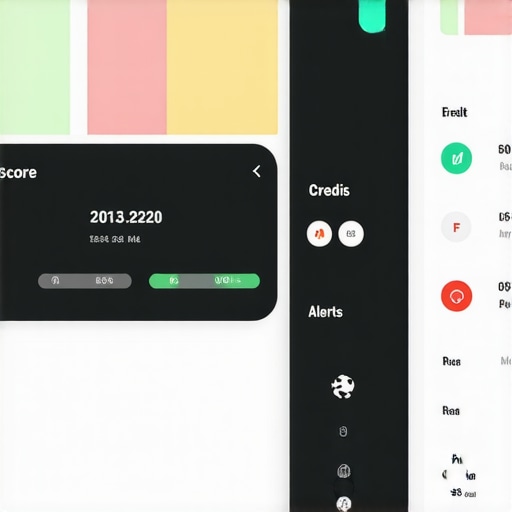
Illustration of a digital dashboard showing credit score, alerts, and financial metrics — demonstrating automation’s role in credit management. Alt: Digital credit management dashboard. Title: Managing Your Credit with Automation Tools.
Predicting Where Credit Management is Heading
As technology advances, expect more AI-driven analytics offering personalized credit advice, predictive scoring models, and real-time fraud detection. Future tools will likely integrate seamlessly with your financial ecosystem, providing actionable insights that adapt to your behavior. Staying ahead means embracing these innovations early, such as experimenting with AI-powered credit simulations and proactive dispute alerts. This trend underscores the importance of choosing adaptable tools now, like using advanced platforms that connect multiple financial accounts for holistic monitoring.
Incorporate these strategies into your routine and try leveraging automation to stay ahead of potential issues. Remember, regular engagement with your credit profile—combined with the right tools—ensures sustained improvement and peace of mind. Want to deepen your knowledge? Visit this resource for expert tactics to refine your credit repair process and keep your efforts effective long-term.
Lessons That Changed My View on Dispute Strategies
- Discover why relying solely on dispute letters often leads to missed opportunities, and how providing original signed contracts can make or break your case.
- Learn the power of persistent follow-up and meticulously organized evidence in turning a rejection into a successful credit correction.
- Realize that automation tools have limits—manual reviews by human analysts, when requested correctly, can dramatically improve your chances for error resolution.
Tools and Resources That Made a Difference for Me
- Credit Karma: Regular free reports and alerts help me stay proactive and catch errors early.
- Certified Mail Services: Sending dispute letters with proof of delivery adds a level of accountability that AI filters can’t ignore.
- This comprehensive guide: Its proven tactics for dispute resolution and FICO optimization have been my go-to references.
- Active Credit Monitoring Apps: Apps like Experian’s CreditWorks enable me to track changes and respond swiftly to inaccuracies.
Embracing the Power of Action and Perseverance
Cracking the code of credit repair requires more than just understanding the mechanics—it demands a proactive, disciplined approach. By arming yourself with the right evidence, requesting manual reviews, and maintaining a meticulous record, you can unlock the potential to significantly improve your credit profile. Remember, the path to better credit isn’t about quick fixes; it’s about strategic moves that build momentum over time. So, are you ready to take control of your credit journey and turn knowledge into action? Dive deep into the strategies discussed and start making your credit report work for you today. What’s the next step you’ll take towards rebuilding your financial health? Share your plan below, and let’s grow together.