

I remember the exact moment I realized I was completely in the dark about how to build credit without a bank account. It hit me like a ton of bricks during a job interview when I was asked for my credit report—something I couldn’t provide because, at the time, I didn’t have a traditional bank account. That sinking feeling of helplessness was a wake-up call. If you’re in the same boat, feeling like your financial situation is a dead end, know that you’re not alone—and there is a way forward.
Many people think that having a bank account is a prerequisite for establishing credit. But here’s the truth: it’s entirely possible to start building credit from scratch, even if traditional banking isn’t an option right now. The key is to understand the techniques that work outside the conventional methods banks promote. I’m here to share what I’ve learned through my own frustrations, mistakes, and eventual success.
In this post, I promise we’ll uncover practical, proven strategies that can help you establish or boost your credit profile, even without a bank account. It’s not magic; it’s about knowing the right moves and making them confidently.
Why Building Credit Matters When You Have No Bank Account
Having no bank account might seem like a minor obstacle, but it actually places you at a significant disadvantage when it comes to credit. Traditional credit scoring relies heavily on bank-based activities—like loan payments, credit card use, or even maintaining a checking account. Without these, many automatic tools for credit development are off-limits.
According to recent studies, nearly 27 million Americans are either unbanked or underbanked—that’s a huge chunk of potential credit-growth opportunities missed. But there’s good news: alternative methods can help bridge this gap. For example, rent reporting, utility payments, and secured credit options can become your stepping stones.
Early on, I made the mistake of assuming that the absence of a bank account meant I couldn’t build credit at all. I spent months feeling stuck and frustrated, wasting time on strategies that simply wouldn’t work without a bank account. It was only when I realized I needed to think outside the box that progress began. Do you feel overwhelmed by the idea that your banking status limits your credit? If yes, don’t worry—you’re about to learn how to turn that challenge into an opportunity.
To get started on the right footing, it’s crucial to avoid common pitfalls—like disputing errors without the right evidence or relying solely on tradtional credit-building tools that assume a bank account. I learned this the hard way early in my journey. For more insights on handling disputes effectively, check out [this comprehensive guide](https://creditclaritys.com/credit-repair-secrets-how-to-resolve-disputes-and-elevate-your-credit-standing).
Now, let’s shift focus to the core strategies that will help you turn your credit-building dreams into reality. If you’ve faced these problems, I want you to know that with patience, persistence, and informed choices, you can indeed build a solid credit profile—no bank account required.
Start with Alternative Credit Accounts
Since traditional bank-based credit tools are off-limits, focus on establishing credit using non-traditional methods. Open a secured credit card with a retailer or consider a credit-builder loan from a credit union that doesn’t require a bank account. I personally applied for a secured card linked to a prepaid debit card, which helped me demonstrate responsible usage. Make such accounts your first steps, and always pay on time to build a positive credit history.
Report Rent and Utility Payments
Rents and utilities are major expenses that aren’t usually factored into credit scores without reporting. Use services like RentTrack or Experian RentBureau to have your rent payments reported to credit bureaus. For utilities, some providers now report on-time payments directly or through third-party services. This way, your consistent payments boost your credit profile. I set up rent reporting with a service, and within three months, I saw an increase in my credit score, even while lacking a bank account.
Leverage Authorized User Status
Getting added as an authorized user on a family member’s or trusted friend’s credit card can quickly help build your score. Choose an account with a long history, low utilization, and no missed payments. I asked my cousin for authorized user status on her card, and her positive payment history reflected on my report within weeks. This method works well, but remember, if the primary account holder misses payments, it can damage your score.
Create a Secured Credit Line for Yourself
If you can’t access traditional credit, consider applying for a secured credit card that requires a security deposit. Deposit an amount you can afford, and use the card for small, manageable purchases. Pay the bill in full each month to avoid interest. I used a $200 deposit, charged small expenses, and paid in full to establish a reliable payment record. Over time, this can lead to traditional credit opportunities.
Dispute and Correct Errors Proactively
Errors on your credit report can amount to misinformation that stalls your progress. Regularly check your report for inaccuracies, especially since without a bank account, mistakes are easier to overlook. Use proven dispute strategies—consider using step-by-step dispute guides to correct inaccuracies. I once found a duplicate account listing that wasn’t mine; after a formal dispute, it was removed, boosting my score.
Time Your Payments Carefully
Payment timing impacts FICO scores significantly. Pay before the billing cycle closes to keep your utilization low. Use a calendar or reminder system to ensure payments are timely. I experimented with paying 2 days before my statement date to keep my utilization under 10%, and observed a boost in my FICO score over a few billing cycles. Accurate timing can be a game-changer.
Monitor and Optimize Your FICO Score
Regularly review your score and the factors affecting it. Use free tools or paid services like expert tips for boosting FICO to identify areas for improvement. In my case, I saw that reducing utilization and fixing errors led to a 50-point jump in just a month.
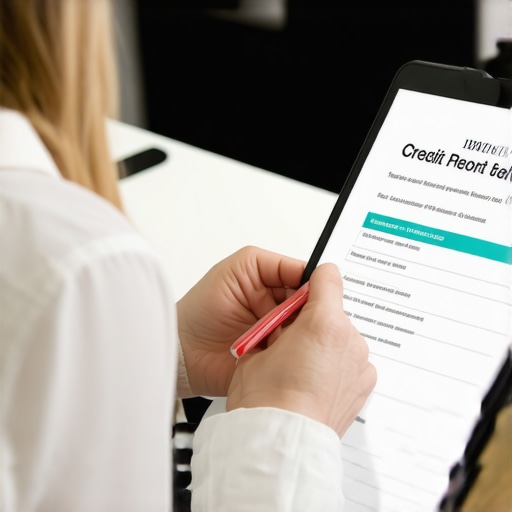 While many assume that fixing credit issues is merely about disputing errors or paying down balances, the truth runs much deeper. A common misconception is that all errors found on your credit report are automatically harmful or easily fixable through simple disputes. In reality, the success of your dispute process hinges on the type of error—some are government-mandated corrections, while others require solid evidence or legal backing. For instance, disputing outdated information without proper documentation often results in rejection, wasting your time and potentially damaging your credibility. Make sure to review [this step-by-step guide](https://creditclaritys.com/dispute-errors-on-your-credit-report-a-step-by-step-guide-for-2025) to understand the nuances of effective dispute strategies.
Another widely held myth is that paying off old collections will instantly improve your score. However, credit scoring models like FICO consider the age of debt, and some paid collections can still negatively impact your credit profile. Understanding how different types of derogatory marks affect your score enables you to prioritize disputes or goodwill adjustments more effectively. As expert Eric Williams states, “There’s a hidden nuance in how paid versus unpaid collections are scored, and knowing when to dispute a collection can be the game-changer in your credit strategy” (source: [Mastering FICO](https://creditclaritys.com/mastering-fico-proven-strategies-to-improve-your-credit-dispute-score)).
When it comes to FICO scoring, many presume that reducing your overall debt automatically boosts your score. While reducing utilization is important, the *timing* of your payments and how recent your credit activity is can be more impactful. For example, making multiple small payments before your statement date can nudge your utilization down and lift your score—an advanced tactic that few are aware of. To dive deeper into such FICO-specific tactics, visit [this resource](https://creditclaritys.com/build-credit-fast-expert-tips-for-correcting-credit-errors-and-boosting-fico).
But here’s the crucial point—**most people forget that the dispute process itself can be a double-edged sword**. Automated AI systems used by credit bureaus tend to reject disputes that lack detailed evidence or contain errors in dispute requests. The *Oops* here is to assume a simple letter works universally; in practice, you need to supply clear, legally backed documentation. Otherwise, your disputes might be ignored, or worse, flagged as frivolous, causing delays or damage to your credibility.
Additionally, keep in mind that frequent disputes about minor errors might send red flags to lenders or scoring algorithms, so discretion and strategic timing are essential. Learn to prioritize which errors truly need contesting—and be prepared with concrete proof. This approach is detailed in [the ultimate dispute correction guide](https://creditclaritys.com/the-ultimate-guide-to-dispute-errors-and-credit-building-in-2025), where you’ll find tactics designed to maximize your success rate.
To summarize, your credit repair efforts should be rooted in understanding the *nuances* of scoring models, dispute processes, and legal protections. A nuanced approach helps prevent costly missteps and helps you build a resilient credit profile. For example, knowing when to leverage the Fair Credit Reporting Act can make your disputes more effective. As a reminder, always use legal and documented evidence rather than relying solely on assumptions or intuition.
Have you ever fallen into this trap? Let me know in the comments. Remember, mastering these details can elevate your credit strategy from amateur to expert—so keep learning and testing your knowledge!Maintaining a healthy credit profile over time requires more than just initial efforts; it demands consistent monitoring, strategic use of tools, and staying informed about evolving credit scoring models. One of my top recommendations is leveraging specialized software like Credit Karma or Experian’s free monitoring services. These platforms provide real-time updates on your credit score and detailed reports that help identify new errors or fraudulent activity swiftly. I personally rely on Credit Karma’s user-friendly interface and instant alerts, which allow me to react promptly to any suspicious changes.
Another effective method is automating payment reminders using financial apps such as Mint or You Need a Budget (YNAB). Automating regular bill payments helps prevent missed or late payments that could dent your score. Over the years, I’ve found that setting up automatic payments for utility bills and small loan installments significantly reduces the mental load and ensures consistent, on-time payments—factors critically examined in FICO’s latest scoring adjustments.
For dispute management and error correction, a streamlined approach is crucial. Using templates from resources like [this detailed guide](https://creditclaritys.com/the-ultimate-guide-to-dispute-errors-and-credit-building-in-2025) saves time and increases success rates. When I encounter inaccuracies, I prepare detailed dispute letters with supporting documentation, such as bank statements or court records, to challenge errors effectively. In fact, recent industry insights suggest that disputes backed by notarized evidence are more likely to lead to successful corrections, especially for complex errors like mistaken identities or outdated data.
Looking ahead, artificial intelligence and machine learning are starting to play a role in credit monitoring. Some innovative tools integrate AI-driven analytics to predict how specific actions—like paying down debt or disputing a record—will impact your score within the next 30 days. While still emerging, these technologies promise more personalized strategies for maintaining and improving credit over the long term.
A practical step I recommend trying today is setting up automatic alerts for any sudden score changes. Combine this with quarterly reviews of your credit report to catch errors early and dispute them before they cause lasting damage. Remember, consistent oversight is your best ally in long-term credit health. To deepen your understanding of dispute strategies, explore [this comprehensive resource](https://creditclaritys.com/mastering-credit-repair-dispute-errors-and-fico-optimization). Be proactive—your future self will thank you for it!
The Lessons That Were Hardest to Learn About Credit Building
- One of my biggest mistakes was underestimating the power of alternative credit data. I thought without a traditional bank account, my options were limited, but I discovered rent and utility reporting can be game-changers.
- I used to believe that disputing every error would automatically boost my score, but I learned that understanding the nature of each mistake and backing it with solid evidence is crucial to success.
- Patience was my underestimated ally. Sometimes, even responsibly managing new credit accounts takes months to reflect positively on your report, so persistence is key.
- I found out the hard way that timing your payments right—before closing dates—can make a measurable difference in your credit utilization and overall score.
My Personal Arsenal for Credit Growth
- Credit Karma became my trusted monitoring tool because it provides real-time updates and personalized advice—making it easier to spot issues early.
- Experian RentBureau helped me get rent payments reported, which directly contributed to my score improvement without needing a bank account.
- Credit-builder secured cards gave me an accessible way to demonstrate responsible credit use. I chose prepaid linked options to avoid rejection and build trust with creditors.
- My go-to resource for dispute strategies is this detailed guide. It taught me how to gather evidence and approach errors systematically, saving me time and frustration.
Keep Moving Forward: These Words Inspired Me
Remember, building or repairing credit outside of traditional banking requires resilience and a willingness to learn. Your current situation isn’t your final destination—every small step counts. Celebrate progress, stay vigilant, and continue educating yourself. The journey to a strong credit profile is a marathon, not a sprint. If I can do it, so can you. Keep pushing, stay positive, and make your credit work for you—your future self will thank you.
What’s your biggest hurdle right now in building credit without a bank account? Share your story below and let’s grow stronger together!