
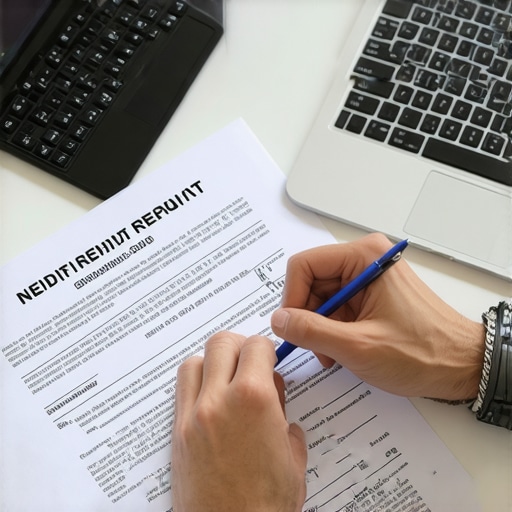
There was a moment not too long ago when I stared at my credit report, feeling utterly defeated. A late payment here, a disputed account there—errors that seemed innocent but cumulatively dragged my score down. I felt stuck, overwhelmed by the maze of credit bureaus, and unsure if any of those so-called “credit repair” companies truly had my best interests at heart.
Why Most Credit Repair Claims Fall Flat—and How You Can Win Anyway
Over time, I realized one thing: understanding my legal rights was paramount. I used to believe that trusting a credit repair company was the only way to fix my issues. Turns out, many of those promises are misleading, and some companies even overpromise what they can deliver—sometimes at the expense of your wallet and peace of mind. No matter what they claim, you hold the power to challenge inaccuracies and improve your score without paying a fortune, especially if you know the right steps and your rights under the Fair Credit Reporting Act (FCRA).
Is Credit Repair a Scam or Worth the Hype?
I made the mistake early on of assuming that automatic solutions could erase years of credit mistakes overnight. Spoiler: they can’t. I learned that the real magic lies in understanding dispute processes and ensuring your rights are protected. For instance, many people don’t realize that you are entitled to verify, dispute, or even force the removal of inaccurate or outdated information. You can find detailed strategies in resources like effective dispute error resolution.
Understanding your legal rights can save you thousands and give you control over your financial future. It’s time to stop relying solely on companies that promise quick fixes and start empowering yourself with the knowledge of how to dispute errors effectively and lawfully.
Have you faced challenges with inaccurate or outdated credit report entries? If so, you’re not alone, but more importantly, you’re not helpless. Let’s dive into practical steps you can take today to challenge those errors and boost your FICO score—without falling for scams or expensive services.
Pinpoint the Errors That Cost You Points
The first step is to identify inaccuracies on your credit reports, which can feel like finding a needle in a haystack. Think of your report as a puzzle; each incorrect detail is a missing or misplaced piece. To locate these, order free copies from all three bureaus—Equifax, Experian, and TransUnion—and review them meticulously. Focus on outdated accounts, mismatched personal details, or unresolved debts. Remember, the goal is to find errors that negatively impact your score, much like a mechanic diagnosing a car’s fault.
Dispute Errors with Precision and Purpose
Gather Solid Evidence
Collect supporting documents such as bank statements, collection letters, or court documents that prove your claim. This evidence acts like a weapon to combat inaccuracies, making your dispute stronger. For example, I once noticed a late payment reported for a medical bill I had already settled. I gathered the payment confirmation from the hospital and used it to challenge the entry, leading to its removal within a month.
Write Clear, Concise Dispute Letters
Send dispute letters to each credit bureau via certified mail, detailing the error and attaching your evidence. Use precise language—avoid vague statements—and request a formal investigation. Think of this step as filing a formal complaint that forces the bureau to act, similar to a formal complaint to a customer service manager. For detailed scripts and best practices, refer to credit dispute strategies.
Follow Up and Track Your Progress
After submitting disputes, monitor their status regularly—most bureaus take about 30 days to complete investigations. Keeping detailed records of your correspondence and responses is essential; it’s your proof of persistence. If an error is confirmed, the bureau must remove or correct it, often within a few weeks. If your dispute is denied, review the bureau’s explanation and consider escalating with additional evidence or consulting credit-building techniques.
Leverage Dispute Outcomes to Your Advantage
Once errors are corrected, your credit score could see a noticeable boost—sometimes by dozens of points. Remember, each correction alters your credit profile like cleaning a foggy mirror; suddenly, your financial health appears clearer. Also, dispute recurring errors vigilantly and regularly check your reports—unmanaged inaccuracies can erode your score over time. This proactive approach is akin to routine maintenance, preventing issues before they escalate, ensuring your credit report reflects your true financial behavior.
By mastering these dispute techniques, you gain control over your credit report and, ultimately, your financial future. The key is consistency and attention to detail—your efforts today prepare a stronger financial tomorrow.
Many believe that disputing errors on credit reports is a straightforward process—simply send a letter, wait, and watch mistakes vanish. But in my experience working with credit repair strategies, I’ve found that this oversimplification can lead to costly mistakes and missed opportunities. One common myth is that all inaccuracies are equally easy to prove or that bureaus always correct verified errors automatically. In reality, the nuances of dispute legality, evidence quality, and FICO algorithm sensitivities require a more sophisticated approach. For example, some mistakenly assume that outdated information cannot be disputed if it hasn’t yet aged out, but recent studies show that meticulous documentation and strategic dispute tactics can prompt bureaus to investigate or even remove outdated data sooner—see the insights in effective dispute error resolution.
Is Your Dispute Strategy Missing Critical Legal Protections?
One critical nuance many overlook is the importance of understanding the regulatory framework, especially the Fair Credit Reporting Act (FCRA). Many think that submitting a dispute is enough; however, the law requires credit bureaus to investigate accurately and respond within strict timelines. Failing to leverage the law’s provisions, like requesting they provide their investigation results or citing specific legal rights, often diminishes your chances of successfully correcting errors. Moreover, some creditors or data furnishers might dispute your claim, leading to a dispute back-and-forth that drains your resources without result—so knowing how to handle these tactical barriers is essential. This is why comprehensive knowledge—like the strategies detailed in credit repair secrets—can make a significant difference.
Furthermore, many people fall prey to the misconception that minor discrepancies in personal details, such as misspelled names or outdated addresses, can be ignored or don’t impact FICO calculations. But these discrepancies can cause data mismatches, leading bureaus to ignore your dispute or misreport your creditworthiness. Advanced dispute techniques involve verifying the identity details thoroughly and ensuring data consistency, which is often overlooked by DIYers. For a detailed breakdown, consult building a better credit profile.
Finally, the most overlooked villain is the automation and scoring algorithms themselves. The nuances of different FICO models—like FICO 8 versus FICO 10T—mean that a dispute removing an outdated collection might not immediately improve scores if newer scoring models weigh recent inquiries or account ages differently. Recognizing these subtleties allows for tailored strategies that optimize your efforts instead of wasting time on disputes with limited impact. For instance, exploring FICO-friendly dispute methods can accelerate your progress.
In summary, let’s dig deeper into the flawed assumptions that might be sabotaging your credit repair efforts. Do you think you’ve fallen into any of these traps? Share your experiences below—I love uncovering these nuanced challenges with my readers.
Keep Your Credit Repairs on Track with the Right Tools
Maintaining a healthy credit profile over the long term requires more than just understanding dispute techniques or building credit. It calls for consistent, strategic actions supported by reliable tools. I personally rely on specialized software and methods that streamline the process, ensure accuracy, and help me monitor my progress effectively.
Why I Use Credit Monitoring Services
One of my go-to tools is a reputable credit monitoring platform like Credit Karma. It provides real-time updates on my credit score and detailed report changes, allowing me to spot inaccuracies immediately. Unlike generic free reports, these platforms also offer tailored advice and simulate how certain actions may impact your score—crucial for making informed decisions.
Automated Dispute Trackers Make My Life Easier
Keeping up with disputes can be tedious, especially if you handle multiple corrections. I use an automated dispute tracking system that logs every dispute I file, tracks responses from bureaus, and flags unresolved issues. This practice prevents my disputes from falling through the cracks and helps me build a record of my efforts, which can be advantageous if I need to escalate.
Why Regular Data Verification Matters
Data accuracy is the foundation of effective credit repair. I recommend periodically verifying your information directly with data furnishers, like banks and lenders, using document management tools such as secured cloud storage and digital signatures. This approach, validated by experts like credit building guides, ensures your data is consistent and reduces the likelihood of errors creeping back into your reports.
The Future Promise: AI-Driven Credit Optimization
Looking ahead, the integration of AI-driven analytics promises more personalized and real-time credit strategies. Tools that leverage machine learning can analyze your financial behaviors, identify subtle errors, and recommend specific actions for FICO optimization. For example, some platforms are beginning to incorporate predictive modeling to advise on the best times to request credit limit increases or pay down balances for maximum impact.
How do I maintain consistent credit health over time? Get proactive with these strategies
First, incorporate a routine of monthly credit data reviews. Use reliable monitoring tools to track your scores, dispute inaccuracies promptly with organized logs, and verify your information periodically with your lenders. Additionally, embrace automation by setting up alerts and auto-payments to prevent missed payments—tiny habits that stabilize your credit long-term.
Remember, mastering these tools isn’t just about fixing errors; it’s about creating a sustainable system that continuously improves your FICO and overall financial health. Dive into one of these tools today, like setting up a monitoring alert or automating a dispute log, and see how it transforms your credit management approach. For more details on dispute error resolution, check out this comprehensive guide.
Staying ahead requires planning and the right technology. Start simple—review your report and set up alerts—and gradually incorporate more advanced tools as you grow confident. Your future self will thank you when your credit report reflects your ongoing efforts, with fewer errors and improved scores.
Lessons the Credit Repair World Doesn’t Talk About
One of the most profound realizations I had was how often I underestimated the power of persistence. It’s easy to get discouraged after a few disputes are denied, but I learned that repeated, well-documented efforts often yield results over time—sometimes in surprising ways. Additionally, I discovered that understanding the subtle nuances of the law, like the specific language mandated by the FCRA, can make or break a dispute. My lightbulb moment was realizing that every error isn’t just a factual mistake but an opportunity to leverage legal rights to your advantage. And most importantly, I learned that patience—paired with strategic action—is the ultimate key to financial empowerment.
The Tools That Transformed My Credit Journey
My personal toolkit includes reliable credit monitoring services like Credit Karma, which provide real-time updates and insights—making errors easier to spot. I also rely on dispute tracking systems such as dispute logs that keep my efforts organized and efficient. Additionally, periodic data verification with lenders ensures that my reports are consistently accurate, preventing errors before they take root. The future of credit repair is moving toward AI-driven solutions, which I believe will make personal credit optimization more accessible and precise—so staying abreast of these innovations can give you a competitive edge.
Keep Moving Forward: Your Credit Can Improve, No Matter What
Remember, each effort you put toward correcting errors is an investment in your financial future. The journey to better credit isn’t about quick fixes but building sustainable habits and understanding your rights. Whether you’re just starting or seeking to fine-tune an already solid report, your proactive steps today lay the groundwork for the financial opportunities of tomorrow. Don’t wait for perfect conditions—take action now, and watch your credit report evolve into an accurate reflection of your true financial behavior. Share your experiences below—what’s a recent boost you’ve seen from disputed errors or credit-building efforts? Let’s learn from each other’s victories and challenges.