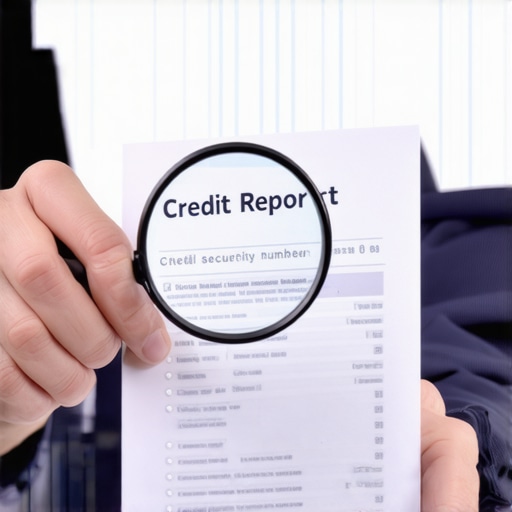
Have you ever pulled your credit report only to find an unfamiliar or outright incorrect Social Security Number listed under your personal information? That unexpected error gave me a jolt—like a cold splash of reality that my financial identity might be more vulnerable than I thought. It was one of those moments where I realized that a seemingly small mistake could snowball into serious credit issues if left unaddressed.
Why an Incorrect Social Security Number Can Derail Your Credit Journey
Your Social Security Number (SSN) isn’t just a string of digits—it’s the key to your entire financial history. When it’s wrong on your credit report, lenders, and other financial institutions might get the wrong impression about your creditworthiness, or worse, mistake you for someone else entirely. I learned this the hard way early on, when a typo led to a completely inaccurate credit profile, causing unnecessary rejections for loans I was perfectly qualified for. And according to a report from the Consumer Financial Protection Bureau, countless people face similar issues that complicate their credit rebuilding efforts and affect their FICO scores.
Let’s Fix It Together
So, today I promise to guide you through the exact steps I took—and wish I had known about earlier—to correct a wrong Social Security Number on your credit report. This isn’t just about tidying up your reports; it’s about protecting your financial identity and ensuring your credit history truly reflects your real financial activities. If you’re ready to get this sorted once and for all, you’ll want to keep reading because what comes next could be a game-changer for your credit health.
Could Your SSN Be Causing More Damage Than You Think?
I made a critical mistake early on—getting frustrated and giving up after my initial dispute failed. I didn’t follow up properly, and the error persisted longer than it should have. Don’t make my mistake. Disputing credit report errors, especially something as pivotal as your SSN, requires persistence and strategic action. For detailed guidance on how to dispute errors effectively, check this step-by-step guide.
Start by Gathering Your Documentation
Before diving into the dispute process, compile all relevant documents that prove your actual Social Security Number and identity. This includes your Social Security card, driver’s license, passport, and recent tax returns or W-2 forms. Having these ready speeds up the verification process and strengthens your case when contacting credit bureaus or lenders.
Dispute the Error with Credit Bureaus Directly
Initiate a formal dispute with each credit bureau reporting the incorrect SSN. Go to their respective websites and use their online dispute portals—this is faster and provides a documented trail. Clearly specify that your Social Security Number is wrong and attach copies of your supporting documents. Remember, patience is key; credit bureaus often take 30 days to investigate and respond.
Leverage the Power of Certified Mail for Disputes
If online disputes stall or you’re dealing with complex errors, send a certified letter to each credit bureau. Use the certified mail method to track delivery and proof of receipt. Your letter should include a clear explanation of the mistake, copies of your ID, and your request for correction. This approach often prompts quicker action and provides solid evidence in case of future disputes.
Contact Data Furnishers Like Lenders Directly
Your creditors and lenders are responsible for reporting accurate info to credit bureaus. Reach out directly to those who have your incorrect SSN on record—whether it’s your bank, credit card issuer, or other financial entities. Use their customer service channels or dedicated dispute departments. Provide them with your documentation and request they update your information in their systems. This step can directly resolve lingering inaccuracies that online disputes might miss.
Use the Bureau’s Investigation Outcome to Confirm Corrections
Once the bureaus conclude their investigation—usually within 30 days—they will notify you of results. Review the outcome carefully. If the correction is made, request a copy of your updated credit report to verify the change. If they refuse or the incorrect info remains, escalate your dispute by filing a complaint with the Consumer Financial Protection Bureau. This escalation step ensures your case receives additional scrutiny and increases your chances of resolution.
Monitor Your Credit Reports Regularly
After correcting your SSN, keep a close eye on your reports over the next few months. Sign up for free monitoring services or periodically request copies from all three major bureaus. Early detection of lingering errors or new inaccuracies can prevent future credit issues and help you maintain a clean, accurate profile.
Many assume that fixing credit errors is straightforward—dispute, wait, and watch the scores climb. However, this oversimplification can lead you to overlook critical nuances that determine your success. One common myth is that all errors are equally fixable through online disputes. In reality, certain inaccuracies, especially those involving identity theft or fraudulent accounts, require additional steps like filing police reports or working with specialized agencies. Misunderstanding this can cause prolonged disputes or rejections.
Are Credit Bureaus Really Looking for Your Mistakes or Are They Missing Critical Errors?
Recent studies, including those summarized by credit experts, suggest that credit bureaus often miss errors that can significantly impact scores, especially when disputes are filed without proper documentation or strategic follow-up. Relying solely on online portals and neglecting certified mail procedures or direct lender contact can result in unresolved issues lingering on your report—causing more damage. Additionally, many believe that disputing every negative item will instantly boost scores. But some marks, like late payments older than seven years, are legally unremovable and disputing them repeatedly is futile and can even harm your credibility with lenders. Instead, understanding the specific timelines and FICO algorithm intricacies is crucial. For advanced strategies, I recommend reviewing detailed guides on how to effectively dispute errors to maximize your FICO score improvements.
Another pitfall is misunderstanding how FICO scores treat different types of credit histories. Many think closing old accounts boosts their score—yet, in reality, maintaining a diverse and aged credit mix is more beneficial. Closing longstanding accounts shortens your credit history length, which could lower your score. This is especially nuanced when considering credit utilization ratios; paying off balances is good, but closing accounts may unexpectedly hurt your credit profile. For a deeper dive into optimizing your credit mix and dispute tactics, check out this guide on FICO-specific error correction. Remember, effective credit building isn’t just about fixing errors but mastering the complex interplay of credit factors. Have you ever fallen into this trap? Let me know in the comments.
Keep Your Credit Climbing: Tools and Strategies That Last
Once you’ve corrected errors and boosted your FICO score, maintaining that momentum requires dedicated tools and disciplined routines. I personally swear by using credit monitoring services like IdentityIQ because they provide real-time alerts for any changes on my report, allowing me to swiftly address potential discrepancies before they affect my score. This proactive approach is crucial for long-term credit health because it shifts your role from reactive to preventative.
Another essential tool is personal finance software such as Mint or YNAB (You Need A Budget). These platforms help me keep tabs on my credit utilization ratio and ensure that I stay under optimal thresholds—ideally below 30%. Regularly reviewing my spending habits via these tools helps prevent the reappearance of errors or unintentional late payments, which can sabotage progress.
Additionally, I utilize Excel-based tracking spreadsheets customized with formulas to monitor my credit report updates, dispute deadlines, and account age. Having a tangible, visual record keeps me accountable and ensures I never miss important timelines, like when a dispute’s investigation period is nearing completion. For those who prefer streamlined solutions, dedicated apps like Credit Karma or Experian Boost can supplement your routine by offering free access to your scores and credit insights, though remember they often run on the latest scoring model variants, not FICO.
Where is credit building heading in the future?
The trend toward more transparent and AI-driven credit monitoring is gaining momentum. Expect future tools to leverage machine learning for predictive analytics, helping consumers anticipate score changes and optimize their credit profiles more effectively. Already, some firms are experimenting with AI-powered dashboards that provide personalized action plans—a game-changer in proactive credit management.
How do I keep my credit repair efforts sustainable over time?
One strategy I recommend is setting up automated alerts for credit report changes combined with periodic manual reviews every quarter. This hybrid approach aligns with expert advice from industry leaders like this comprehensive guide on dispute maintenance, ensuring errors don’t creep back in. Adopt these tools, and you’ll create a resilient system that keeps your credit profile accurate and strong for years to come.