
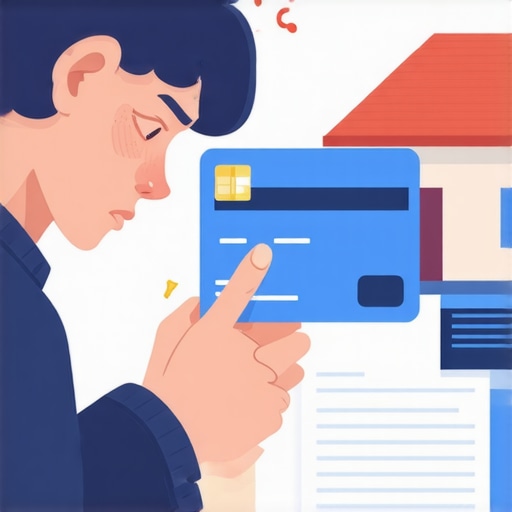
I’ll never forget the moment I realized my credit card balance was lurking behind the scenes, quietly destroying my chances of getting that dream home. I thought I was doing everything right—paying on time, keeping my debts low—yet my mortgage application kept hitting roadblocks. Frustrating doesn’t even begin to cover it. That lightbulb moment made me dig deeper, and what I found changed everything about how I manage my credit.
The Real Culprit: Your Credit Utilization
Turns out, my credit utilization ratio was the sneaky villain. This tricky metric—how much of your available credit you’re using—has a disproportionate impact on your FICO score. Experts say that maintaining a utilization below 30% is ideal, but even small oversights can cause big drops in your score, especially when you’re shopping for a mortgage.
I’ve learned the hard way that just paying on time isn’t enough. If your balances creep too high, your credit score can suffer, making lenders wary. They see high utilization as a red flag, signaling potential financial instability, which can severely limit your chances of approval or lead to less favorable loan terms.
What truly shocked me was discovering that a single high-balance credit card can outweigh the positive impact of paychecks and savings. It’s a common mistake—using most of your credit limit without realizing how it dents your score. According to a recent report from MyFICO, credit utilization accounts for approximately 30% of your score, making it the second most important factor after payment history.
If you’re gearing up for a mortgage, ignoring this aspect can be a costly mistake. But here’s the good news: with targeted strategies, you can bring that utilization down and boost your score significantly. I’ll walk you through practical steps that helped me turn things around, and I promise, they can do the same for you.
What We’ll Cover Next
In the sections ahead, I’ll share proven techniques to manage your credit utilization effectively, dispute errors that might be artificially inflating your balances, and build a stronger credit profile to maximize your mortgage eligibility. Ready to stop your credit from holding you back? Let’s get started.
Is Your Credit Utilization Really the Problem, or Just a Scapegoat?
Many folks dismiss their high balances as temporary or out of control, but I learned early on that neglecting this issue only prolongs the search for the home you want. My biggest mistake? Overlooking small but persistent balance spikes. These tiny oversights can prevent a clear path to mortgage approval. Remember, every little bit counts when scaling your credit health. If you’ve faced this challenge, you’re not alone—many have been in your shoes and come out ahead. Want to learn more about elevating your credit game? Check out these expert-approved strategies.
Pay Off High Balances Strategically
Start by prioritizing your credit card debts with the highest balances relative to their limits. For example, I once tackled an account where I was using 75% of my limit. I made extra payments by the end of each week, reducing that utilization faster. This immediate intervention can boost your score as credit scoring models favor lower utilization ratios. Regularly monitor your balances and aim to keep utilization below 30%, or ideally under 10% for optimal impact.
Request Credit Limit Increases Wisely
Approaching your credit card issuer for a limit increase can instantly improve your utilization percentage without requiring you to pay down balances. When I requested a limit increase, I was honest about my income but provided proof of stable employment. If approved, your ratio drops immediately. Check your accounts for pre-approved offers or request a limit increase through your issuer’s online portal. Remember, some requests can result in a hard inquiry, so plan accordingly.
Distribute Debt Across Multiple Cards
If you carry balances on several cards, consider redistributing the debt to evenly spread out utilization. For example, moving some balances from a card with 90% utilization to one with 20% can help balance your overall ratio. This tactic is akin to spreading out weight on a scale to achieve better stability. Be cautious to avoid transferring balances onto accounts with low or zero balance, which can sometimes trigger balance transfer fees or inquiries that might temporarily ding your score.
Use Balance Transfers to Slim Down Debts
If you qualify, a balance transfer credit card with a 0% introductory rate can be a game-changer. I utilized a promotional offer to consolidate high-interest debts, paying off one large balance by transferring it to a new card while keeping the utilization low on both accounts. This tactic reduces your debt-to-limit ratio, but watch out for transfer fees and the expiration of the promotional period, which could lead to high interest afterward.
Manage Spending to Prevent New High Balances
Cutting back on new purchases is crucial when trying to lower utilization swiftly. For instance, I paused using my credit cards during a house hunt, limiting transactions to essential expenses only. Using a budgeting app to track daily spending can help prevent accidental overspending. Remember, even small, frequent charges can cumulatively push your utilization over the ideal threshold, negating recent payoff efforts.
Automate Payments and Alerts
Set up automatic payments or alerts to avoid late payments and ensure balances stay low. I linked my checking account to my credit card accounts, receiving notifications whenever my balance exceeded a set threshold. This proactive approach prevents accidental overspending and keeps your utilization in check without constant manual oversight. Consistent management signals to lenders that you’re financially responsible, positively impacting your score.
Many believe that checking their credit report regularly guarantees accuracy, but the real subtleties lie beneath the surface. A common myth is that disputing every error will rapidly boost your score; however, not all discrepancies are created equal. In fact, some disputes may backfire if poorly executed, leading to temporary score dips or even legal complications. Advanced credit repair requires a nuanced approach—knowing which errors to dispute and how to present your case effectively. For instance, inaccuracies stemming from outdated information or identity theft should be prioritized, as they can have disproportionate effects on your FICO score. According to a recent study from FICO insights, strategic error resolution can add several points to your score over time. This is why I advocate a tailored dispute strategy, rather than blanket corrections that risk unnecessary inquiries or rejections. Furthermore, many overlook that some credit errors can actually be a reflection of deeper issues, such as account mismanagement or outdated data reporting practices. To truly master credit building and repair, it’s essential to understand the complex interplay between your credit behaviors and how FICO interprets them. Reading up on proven techniques like credit-building strategies can propel your progress significantly. Now, for those ready to take decisive action, optimizing your dispute tactics while avoiding common pitfalls can make all the difference. Don’t forget—the key is to focus on high-impact errors and maintain consistency. Have you ever fallen into this trap? Let me know in the comments.
Stay Consistent with Powerful Software
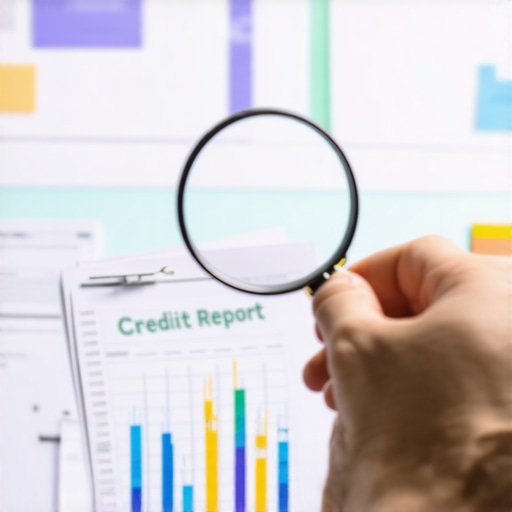
My go-to tool for ongoing credit management is Credit Karma. I use it daily to monitor my credit scores and review updates on my reports. Its real-time alerts help me catch any suspicious activity or errors early, which is crucial for maintaining a healthy score. Unlike basic services, Credit Karma provides insights into how specific actions influence your score, enabling me to optimize my credit-building strategies effectively.
Additionally, I rely on Experian’s CreditWorks Premium for detailed report analysis. This platform offers comprehensive dispute tracking and documentation management, making it easier to handle corrections and monitor progress over time. Regular review coupled with dispute tools ensures that small errors don’t slip through unnoticed, safeguarding my efforts to improve my credit profile.
Leverage Automation to Keep Scores Up
Automated payments are essential to prevent late fees and maintain a consistent payment history, which accounts for about 35% of your FICO score. I set up automatic transfers for my credit cards through my bank’s online portal to ensure bills are paid on time, even when I’m busy. This simple step reduces the risk of accidental missed payments that could undo months of credit-building work.
Besides payments, I use Mint for budgeting and alerts. Mint’s customizable notifications remind me when a bill is due or if my spending on a specific card exceeds my set limit, helping me keep my utilization in check without constant manual monitoring. Tools like these make long-term credit maintenance manageable and almost effortless.
Plan for the Future with Predictive Analytics
Looking ahead, I believe the trend will move toward AI-enhanced credit tools that predict credit score changes based on your financial behavior. Platforms that analyze your spending patterns and suggest tailored actions could become standard, enabling proactive rather than reactive credit management. This evolution could dramatically shorten the window needed to repair or build credit, provided you adopt these tools early.
If you’re serious about maintaining your credit, try integrating a tool like Expert Tips for Building Credit Fast into your routine. Consistent use of these advanced techniques can help solidify your credit gains and prepare you for long-term financial success.
How do I stay on top of credit repairs without losing momentum?
Regularly reviewing your credit report, leveraging dispute tools, and automating payments are key. Use reliable platforms such as these credit strategies to ensure your efforts don’t stall. Budgeting apps that set alerts for usage and due dates will keep your progress steady, avoiding pitfalls like missed payments or high utilization. Incorporate predictive analytics, and you’ll be prepared to catch potential setbacks before they hit your score.
Remember, staying consistent and using the right tools can make the entire process more manageable and effective, even if you’re balancing many other financial priorities.
How I Realized the Power of Small Credit Habits
One of the most surprising lessons I learned was how minor daily decisions could profoundly impact my credit score. Consistently monitoring my utilization and avoiding unnecessary expenses taught me that small, consistent actions are the secret to sustainable credit health. This shift in perspective turned my credit journey from a daunting task into an empowering process.
Why Overlooking Credit Dispute Nuances Can Cost You
Early on, I believed that disputing every error would quickly improve my score. However, I discovered that strategic, targeted disputes focusing on high-impact errors are far more effective. Understanding the nuances of credit reporting and the importance of credible evidence is crucial. For a proven approach, check out this step-by-step guide.
My Unexpected Realization About Credit Utilization and Score Growth
Applying practical techniques like requesting credit limit increases and redistributing balances resulted in rapid score improvements. The most eye-opening part was realizing that these often-overlooked tactics can be the difference between slow progress and a significant jump in your creditworthiness. Tailoring strategies to your unique situation can unlock new opportunities for better loan terms and financial stability.
Where My Credit Strategy Continues to Evolve
Beyond immediate fixes, I’ve embraced automation and predictive tools—like these advanced techniques—to stay ahead. Regularly reevaluating and adjusting my approach helps me maintain a healthy credit profile even as life changes. This ongoing process ensures I’m not just fixing issues but building resilience against future challenges.
My Personal Tips for Long-Term Credit Success
- Prioritize low utilization on each card and across all accounts.
- Use reputable tools like Credit Karma and Experian’s platform to stay informed.
- Automate payments to prevent missed deadlines and late fees.
- Stay curious and proactive—credit health is an ongoing journey, not a one-time fix.
Resources That Made a Difference in My Path
- Credit Karma: Daily insights and real-time alerts keep me aware of my scores without anxiety.
- Experian’s CreditWorks Premium: Detailed reports and dispute management simplify correcting errors.
- Expert tips for building credit fast: This resource provided the tailored strategies that accelerated my progress.
Believe in Your Credit Journey and Take Action Now
The path to a stronger credit profile is within your reach—steady effort and strategic choices make all the difference. Remember, your credit health is more than just numbers; it’s the foundation for your future dreams. Start today, stay committed, and watch how your financial opportunities expand with confidence.
What’s the one credit strategy you’re excited to implement first? Share your goals in the comments below—I’d love to hear your plans!