

I remember the moment I realized my credit scores weren’t improving despite paying down my debts and keeping my balances low. The frustrating part? I was an authorized user on several credit accounts, and I had no idea they might be inadvertently dragging my score down. It hit me like a lightbulb flickering to life—my own strategies for building credit were being undermined by this little-known factor.
Why Your Authorized User Status Could Be Hindering Your Credit Growth
Being added as an authorized user can seem like a quick shortcut to boost your credit profile. But, if the primary account holder’s habits aren’t pristine, your credit could suffer instead. Early on, I made the mistake of assuming that simply being an authorized user would automatically help my score—only to find out that, in some cases, it can have the opposite effect. According to a study by the Consumer Financial Protection Bureau, authorized user status can either significantly help or harm your credit, depending on the credit behavior associated with that account (source). This is why understanding the nuances is so critical for anyone serious about improving their financial health.
Could Your Authorized User Status Be Doing More Harm Than Good?
Many people, myself included, enter into authorized user agreements without realizing how they might impact their credit report. I assumed it was a straightforward way to piggyback on positive credit history, but I overlooked the importance of the account’s paying habits, credit utilization, and age. If the primary account has late payments, high balances, or recent inquiries, you could be unintentionally associated with those negative signals. This mistake delayed my progress and caused unnecessary confusion. To truly harness this strategy, you need to verify the account’s history and monitor its impact on your credit reports.
If you’re wondering whether your authorized user status is affecting your credit, you’re not alone. Many individuals face this challenge without even realizing it. Don’t worry—I’ll guide you through the practical steps to evaluate and, if necessary, correct this aspect of your credit profile, so you can stop leaving potential points on the table and start building the credit reputation you deserve.
Now, let’s explore the concrete ways to identify whether this is an issue for you, and how to fix it once and for all.
Review Your Credit Reports Frequently
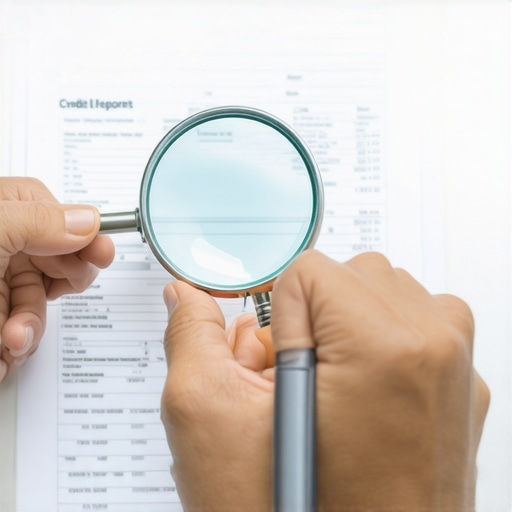
Start by obtaining your latest credit reports from all three bureaus via dispute errors. Look for accounts where you’re listed as an authorized user. Cross-reference these with statements or account data from the primary holder to verify accuracy. Use a magnifying glass: just like inspecting a painting for damage, scrutinize every detail to spot discrepancies that could harm your score.
Identify Negative or Outdated Accounts
Pinpoint accounts with late payments, high balances, or recent activity that might be dragging down your score. If a primary account shows a 30-day late payment last year, it could still be impacting your credit. Think of your credit profile as a garden: weeds or dying plants (negative info) can overshadow your healthy growth. Removing or correcting these weeds helps your credit flourish.
Dispute Inaccuracies Systematically
Once you’ve flagged suspicious items, prepare a dispute letter. Use dispute errors strategies like requesting verification or deletion of incorrect info. When I did this for a questionable authorized user account, I sent a well-drafted letter via certified mail, including supporting documents. The bureau responded in 30 days, and the erroneous account info was corrected, giving my score a notable boost.
Leverage Templates and Evidence Efficiently
Craft dispute templates that clearly specify incorrect data, referencing your credit report snapshot. Attach evidence like account statements or correspondence from the primary account owner. This method is like providing irrefutable proof in court—strengthened cases more often lead to favorable outcomes.
Monitor Impact and Adjust Strategies
After disputes are resolved, check your credit reports again. Track your FICO score fluctuations through free apps or services. If a positive account remains problematic, repeat the dispute process or contact the creditor directly for a goodwill adjustment. Remember, every action shapes your credit health, similar to tuning an instrument for perfect harmony.
Remove or Update Old Authorized User Accounts
If an account continues to harm your credit despite dispute efforts, consider requesting the primary holder to remove you as an authorized user. If they decline, you might be able to have the account closed or seek to have your name removed from the account records—especially if the account history is flawed or still negatively impacts your score. Think of it as pruning a tree to promote better growth elsewhere, setting the stage for healthier credit development.
Be Proactive in Building Clean Credit History
Simultaneously, work on building new positive credit by applying for secured credit cards or credit-builder loans, focusing on timely payments and low utilization. This process, akin to planting new seeds, ensures a strong footing once the weeds are managed. Incorporate these habits into your routine to steadily increase your score over time.
Remember, correcting authorized user errors is a balance of vigilant review and strategic action. By following these step-by-step measures, you can clear unwanted influences and set a firm foundation for credit success.
Many credit enthusiasts operate under widespread assumptions that can hinder their progress. For example, a common myth is that disputing every negative item on your credit report will automatically improve your score. In reality, indiscriminate disputes can backfire, especially if you’re challenging accurate data. The key lies in recognizing which errors are worth disputing—focusing on verifiable inaccuracies instead of superficial discrepancies. Over-disputing may cause lenders to view your credit file suspiciously, potentially lowering your score further. The dispute process requires strategic precision, not just persistence. Moreover, many believe that paying off collections immediately boosts credit scores, but in some cases, it can temporarily cause a dip due to adding new activity to your report. Understanding the timing and context of your debts is crucial before making such moves. Also, a widespread misconception is that closing old accounts will benefit your credit utilization ratio. However, closing longstanding accounts can reduce your average account age, which is a vital component of FICO scoring. Maintaining older accounts, even if unused, often benefits your credit health more than closing them proactively.
Deep Dive: Why Do FICO Scores React Unexpectedly to Dispute Outcomes?
Let’s analyze why your FICO score might fluctuate unexpectedly after successful disputes. It turns out that removing a negative account doesn’t always translate to immediate improvements; it can cause a shift in your credit mix or average account age, which impact the score differently. A FICO expert explains that the scoring models weigh these factors dynamically. Sometimes, even cleared-up errors can cause score dips if they alter your credit profile’s stability metrics. It’s vital to understand that FICO isn’t just about cleaning your report—it’s about managing the intricate balance of credit components. Misinterpreting these nuances can lead to frustration, but knowing the mechanics allows for more intelligent planning. Remember, deliberate timing and strategic adjustments are often better than reactive disputes, which might inadvertently harm your score. For comprehensive techniques, consult the credit repair strategies tailored for 2025, ensuring you navigate these nuances effectively.
In summary, a nuanced approach to dispute errors, combined with an understanding of FICO intricacies, enhances your credit repair efforts. This isn’t about quick fixes but about mastering the system—from strategic dispute targeting to timing debt payments—to build a resilient credit profile. Have you ever fallen into this trap? Let me know in the comments, and share your experiences. Remember, advanced credit building requires more than surface-level actions; it demands an analytical mindset and informed decisions.
Staying Consistent with Your Credit Maintenance
Building and maintaining good credit isn’t a one-and-done task; it requires ongoing effort and strategic tools. Personally, I rely heavily on specialized software like Credit Karma and Experian’s CreditWise because they offer real-time updates and detailed insights into my credit report. These platforms help me identify potential dispute errors early and monitor how small financial moves impact my FICO scores, aligning perfectly with strategies outlined in credit repair guides.
Why Using the Right Software Matters
I prefer tools that provide comprehensive credit monitoring rather than just alerts—they assist in tracking historical data, which is essential for identifying long-term trends and spotting recurring errors. For example, Experian’s dashboard allows me to see changes in my credit score over time, making it easier to adapt my approach as the market evolves. As the FICO scoring models grow more sophisticated, leveraging these tools ensures you’re not left behind.
How do I maintain credit health without constant manual checks?
Automation is the secret here. I set up scheduled reviews and dispute alerts, which is crucial to catch errors that could otherwise linger and damage my score. Regularly scheduled audits reduce the risk of unnoticed inaccuracies, a method strongly supported by credit experts. Moreover, maintaining a consistent payment schedule with tools like auto-pay features minimizes late payments, safeguarding my credit score from avoidable dips.
Long-term benefits of persistent effort and high-tech tools
Using a combination of diligent review routines and cutting-edge systems helps me build a resilient credit profile. This dual approach ensures that minor discrepancies don’t accumulate into bigger problems and sets a foundation for scalable credit growth. In the future, I predict that these tools will incorporate AI-driven analytics, offering even more personalized actionable insights—making credit management smarter and more proactive.
What tools do I recommend for scaling your credit repair efforts?
Beyond basic monitoring, consider advanced platforms like Lexington Law or Credit Sesame, which not only alert you to errors but also offer personalized dispute strategies. I personally use these tools to prioritize disputes that have the biggest impact on my FICO score, as detailed in expert tips for credit boosting. Regularly updating your dispute tactics based on the latest data and models can dramatically accelerate your progress.
To truly harness these strategies, I recommend starting by scheduling monthly credit reviews with your chosen platform. For example, set reminders to dispute outdated accounts or verify the accuracy of authorized user listings. This disciplined approach ensures your credit health remains a priority and prepares you for scaling your efforts as your financial profile grows.
Conclusion
Consistent maintenance paired with the right technological tools creates a formidable foundation for long-term credit success. As the landscape of credit scoring and repair evolves, staying proactive and leveraging data-driven systems will become even more critical. Remember to incorporate these strategies into your routine—starting with scheduled audits and dispute verification—to see tangible improvements over time. Want to learn about more advanced dispute tactics? Check out our detailed guide and begin applying these techniques today!
Lessons From My Own Credit Journey That Changed Everything
One of the biggest revelations I had was realizing that not all credit accounts are created equal—especially when it comes to authorized users. I learned the hard way that assuming positive impact without verifying account histories can backfire, leading to unnecessary setbacks. Another insight was the importance of strategic dispute timing; rushing to challenge every error can sometimes do more harm than good. Lastly, understanding how FICO’s scoring nuances respond to credit profile changes taught me to be more patient and intentional with my credit repair efforts, emphasizing quality over quantity in disputes and adjustments.
My Top Tools for Achieving Real Credit Progress
I swear by dispute error resources that provide clear, step-by-step guides—these have been invaluable. Credit repair guides that emphasize strategic correction tactics changed how I approach errors. Additionally, platforms like credit monitoring tools help me stay vigilant and informed, preventing small mistakes from snowballing into major issues. For deeper insight into FICO and dispute mechanics, the expert articles break down complex scoring factors into actionable steps.
Empower Your Credit Journey Starting Today
Building a resilient credit profile is within your reach—armed with knowledge, the right strategies, and a proactive mindset. Remember, credit repair isn’t about quick fixes; it’s about making consistent, informed decisions that set a strong foundation for your financial future. Embrace the process, utilize the tools that work for you, and don’t hesitate to seek out expert guidance when needed. Your credit health is a journey worth investing in—start now, and watch your confidence grow along with your score.