

Have you ever stared at a rejection notice from a credit card company and felt your stomach drop? I remember the first time I was denied, feeling confused and a little embarrassed. It wasn’t just about missing a fancy reward; it was a wake-up call about what really influences those decisions behind the scenes.
Why Your Credit Application Gets Rejected More Than You Think
Most folks think that applying for a credit card is just about filling out some forms and waiting for approval. But the truth is, lenders dig deep into your credit report, hunting for red flags or weaknesses that could suggest risk. Sometimes, even small errors or overlooked mistakes can cause your application to hit the reject pile.
Early in my journey, I made a silly mistake—ignoring a dispute on my report because I thought it wouldn’t matter. Spoiler: It did. That error was the reason my application was denied. It was a hard lesson, but I learned that understanding and fixing credit report errors is essential, especially when applying for new credit.
What We Will Uncover Today
In this post, I’ll walk you through exactly why credit card applications are denied and show you how to identify and correct the common mistakes that could be holding you back. If you’re tired of being denied and want to get approved faster, you’re in the right place. We’re going to break down the steps to boost your chances and help you understand the real factors lenders consider.
Is Credit Repair Still Worth It?
Many people wonder if fixing errors on their report really makes a difference. Trust me, it’s not hype. According to recent studies, disputing and correcting errors can improve your credit score significantly, sometimes by 50 points or more, which could be the difference between approval and rejection. But engaging in the process the right way is key—learn more about disputing errors effectively.
In my own case, fixing a misspelled account name and removing outdated information, I saw my credit score swell and finally got the approval I desperately needed. It’s a game changer, and I want to help you do the same.
So, if you’ve ever felt stuck because of a denied credit card, keep reading. We’re about to uncover the hidden reasons behind those denials and arm you with the tools to turn things around.
Identify and Locate Errors Quickly
Start by requesting a free copy of your credit report from the three major bureaus—Experian, TransUnion, and Equifax. Use this step-by-step guide to understand how to access and review your report thoroughly. Think of your credit report as a map—you need to know every turn and shortcut to find errors that could block your path to approval.
Once you have your reports, scan for outdated details, duplicate accounts, and incorrect personal information. I once found a landlord’s old contact info still attached to a paid-off apartment—that mistake could have caused unnecessary scrutiny. Spotting errors early prevents them from acting as hidden barriers.
Dispute Errors with Precision and Purpose
After locating inaccuracies, initiate a dispute using effective dispute strategies. Think of disputes as your way to send a correction request—like mailing a correction slip to a magazine. Be clear, concise, and include supporting documents like pay stubs, letters, or bank statements that validate your claim.
For example, I once disputed a late payment record that was mistakenly reported after I had already settled the debt. By submitting a detailed and well-documented dispute, I succeeded in having the error removed within weeks, which in turn improved my credit score and increased my chances for credit approval.
Harness the Power of FICO Score Insights
Understanding how dispute errors influence your FICO score is crucial. Your score isn’t just a number; it’s an aggregate of factors like payment history, utilization, and credit mix. Errors can artificially lower your score, making you less attractive to lenders. Use resources like this guide to understand precisely how correcting mistakes impacts your score.
By systematically fixing errors, you can see a tangible lift in your score—sometimes as much as 50 points or more. This boost can transform a rejection into an approval, especially if your initial score hovered just below the qualifying threshold.
Maintain and Protect your Improved Record
Once errors are corrected, develop habits that safeguard your credit health. Regularly check your report, set up automatic alerts for significant changes, and dispute any new inaccuracies promptly. Think of your credit profile as a garden—you must tend it regularly to prevent weeds (errors) from taking over and choking your growth.
Applying consistent maintenance can mean the difference between having a fair credit profile and one that impresses lenders. Remember, a cleaner report isn’t just about numbers; it’s your ticket to better financial opportunities.
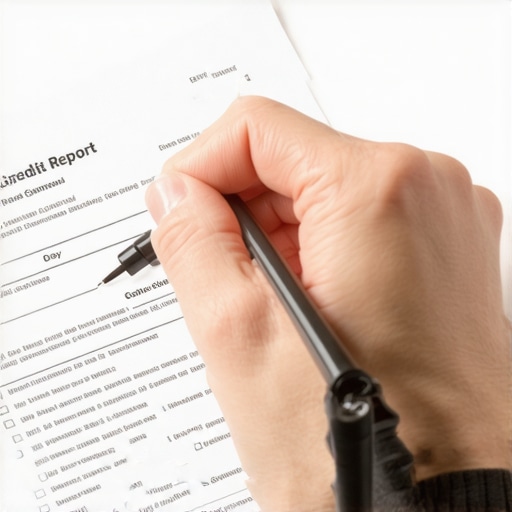
While it’s common to think that fixing credit simply means paying down debt or disputing obvious errors, there’s a whole spectrum of subtleties that many overlook—nuances that can make or break your credit journey. Contrary to popular belief, not all errors are created equal, and some myths can lead you astray, wasting time and potential credit boosts.
One widespread misconception is that removing a negative item guarantees an immediate increase in your score. In reality, the impact depends heavily on your overall credit profile and the timing of removals. For instance, a single late payment removed won’t dramatically change your score if your report already shows multiple recent delinquencies. The key is understanding how each correction interacts with your credit factors, particularly your payment history and credit age.
Another often-ignored aspect is the importance of the credit mix. Many believe that having only credit cards is sufficient, but credit scoring models like FICO reward a healthy blend of installment loans and revolving credit. Mismanaging this aspect—such as closing long-standing accounts or opening too many new ones at once—can subtly erode your score over time. Dive deeper into how your credit mix influences your FICO score at this guide.
How do dispute resolutions genuinely influence your credit score digitally and psychologically?
It’s not just about the numbers; disputing errors can psychologically boost your confidence and clarify your credit standing. But be warned: some think that disputing is a quick fix, which it isn’t. Effective disputes require strategic targeting of all outdated, erroneous, or duplicate accounts—an art that involves detailed documentation and timing. This process, if approached correctly, can improve your score by batches—sometimes up to 50 points in just a few months.
However, beware of the trap called ‘dispute fatigue,’ where a barrage of dispute letters without focus causes bureaus to flag your account for suspicious activity, potentially delaying genuine updates. According to expert-reviewed strategies, precision and selectivity are vital. Prioritize the most impactful errors—like outdated collections or incorrectly reported accounts—and approach the process systematically rather than randomly.
Furthermore, the role of soft and hard inquiries in this process deserves attention. Many underestimate how multiple soft inquiries remain invisible but can influence lender decisions, especially if they coincide with recent application attempts. Be strategic: space out your inquiries, and avoid unnecessary hard pulls, which can lower scores by a few points but have a lasting impact if overdone.
What’s more, recent research indicates that automating alert systems for new inquiries and credit report changes can help sidestep costly mistakes and ensure continuous health monitoring. Learn to leverage such automation with tools designed for this purpose. Your proactive approach, combined with strategic dispute resolutions, can significantly enhance your overall creditworthiness over time.
In summary, think of credit building as a nuanced game: understanding the intricate interactions between errors, credit mix, inquiries, and timing is crucial. If you still believe that disputes are the only magic bullet, reconsider—building stellar credit is about consistent, strategic, and informed actions. Don’t fall for the trap of oversimplification; let me know in the comments if you’ve ever fallen into this trap!
For deeper insights and proven strategies, check out this comprehensive guide or review expert secrets to elevate your credit standing effectively.
Keep Your Credit System Running Smoothly
Maintaining your credit health over time demands more than sporadic checks; it involves deploying robust tools and disciplined routines. I personally rely on a combination of specialized software and simple practices that keep my credit profile optimized and errors at bay. Automating your monitoring not only saves time but ensures you catch inaccuracies or suspicious activity early, preventing small issues from snowballing into significant setbacks.
One tool I swear by is Credit Karma. It offers free, real-time updates on your credit scores and alerts you to major changes. However, for a more detailed analysis, I use Experian’s CreditWorks, which provides nuanced insights into factors influencing your scores, along with tailored recommendations. This helps me understand whether a recent dispute or a balance adjustment will impact my FICO rating.
Beyond monitoring, I incorporate dispute management tools such as Credit Bureau dispute portals. These platforms allow me to submit well-documented disputes efficiently and keep my existing errors in check without constantly logging into multiple bureaus.
Another element I recommend adding to your toolkit is a secure document management system—Google Drive, for example—to organize all your proof of disputes, bill payments, and correspondence. When dealing with corrections or questions from bureaus, having ready access to supporting files streamlines the process significantly.
Differentiate Your Long-Term Strategies with Technology
Looking ahead, the trend points toward smarter, AI-powered credit management systems. Emerging tools aim to analyze big data, predict your score trajectory, and recommend proactive steps to optimize your credit standing before issues arise. Staying ahead involves not just reacting to errors but actively planning your credit growth.
Take, for instance, the practice of quarterly credit evaluations. Set a reminder with your digital calendar and combine it with your monitoring apps. During these reviews, consider not only correcting errors but also adjusting your credit mix—perhaps by diversifying your accounts or consolidating debt—based on insights provided by your analytics platforms.
How do I keep my credit in top shape year after year?
The key is consistent maintenance. Regularly check your reports, dispute inaccuracies proactively, and utilize technological tools to stay alert. For example, automating alerts for new inquiries or balance changes reduces the chances of unintentional damage and keeps your profile pristine.
Implementing a disciplined routine ensures that your efforts compound over time, amplifying improvements and shielding your credit from minor missteps. As automation and AI continue to evolve, I predict that personalized credit management apps will become standard, making it easier than ever to keep your profile healthy without constant manual oversight.
Start today by integrating at least one advanced tool—perhaps setting up real-time alerts with Credit Karma or scheduling quarterly reviews with your monitoring service. Small, consistent actions pave the way for long-term credit stability and growth.
Remember, building and maintaining stellar credit isn’t a one-time effort. It’s an ongoing journey that rewards discipline and strategic use of technology. Want to see a tangible difference? Try setting up automatic alerts for your credit report changes today and see how it transforms your credit management approach.
< >
>
: A person using a laptop with credit monitoring dashboards open, illustrating active credit management. Prompt: A person analyzing credit scores on a laptop with financial charts on screen, emphasizing proactive credit maintenance. Alt: Man reviewing credit reports on a computer, Title: Proactive Credit Management with Technology.
What I Wish I Knew When I Started Fixing My Credit
- Sometimes, the biggest jumps in your credit score come from tiny mistakes—like outdated info or duplicate accounts—that most overlook. Catching these early saved me months of frustration.
- Dispute strategies are more than just sending a form—you need targeted action, like focusing on recent or severe errors that impact your score the most. Learning this made my efforts far more effective.
- Understanding how your credit mix influences your FICO score was an eye-opener. Diversifying my credit types at the right moments boosted my approval chances significantly.
- Monitoring your report regularly is not just about spotting errors—it’s about proactive maintenance. Automating alerts helps catch issues before they become deal-breakers.
- Patience beats quick fixes. A consistent, strategic approach to dispute and credit management results in lasting improvements rather than temporary rises.
My Go-To Resources for Sound Credit Building
- The Ultimate Guide to Dispute Errors: It’s comprehensive and keeps me updated on effective dispute tactics that actually work.
- Dispute Resolution Strategies: These strategies helped me dispute errors confidently and efficiently without fear of repercussions.
- Understanding Credit Errors: It demystifies how errors impact my FICO score, making each correction more meaningful.
- Credit Repair Secrets: It opened my eyes to nuanced tactics beyond just paying debts—like strategic dispute timing and credit mix management.
Your Path to Better Credit Starts Now
Building and maintaining a strong credit profile doesn’t happen overnight, but every small step taken today compounds into long-term success. Take that first proactive step—review your report, dispute one small error, or set up an automatic alert—and watch your confidence grow. Your future self will thank you for the effort you put in now. Are you ready to take control of your credit story and turn obstacles into opportunities? Let me know your biggest challenge below.