
Top Credit Building & FICO Optimization Tips for Lasting Credit Trust in 2025
Ever felt that sinking feeling of checking your credit report and seeing the same old errors, yet unsure how to fix them? I remember the frustration vividly. I was once in your shoes, staring at my FICO scores stagnating despite countless effort. It was only after a lightbulb moment—realizing that systematic error correction and strategic dispute techniques could truly turn my credit around—that I started making real progress.
Why Your Credit Score Could Be Holding You Back More Than You Think
In 2025, your credit score isn’t just a number; it’s your financial reputation. Whether you’re eyeing a new home, a better interest rate, or just aiming for peace of mind, building trust with your credit report is essential. But here’s the truth: many people overlook small errors or misunderstand how to optimize their FICO scores effectively. These tiny mistakes, if left unchallenged, can drag your score down and cost you thousands over the loan term.
Early on, I made the mistake of thinking that paying bills on time was enough. While that’s crucial, I also ignored the importance of regularly reviewing my credit reports for errors—errors that could be easily disputed and corrected. Did you know that according to a 2023 report, approximately 20% of credit reports contain errors that could lower a person’s score? That’s a huge chunk of potential trust and savings slipping away.
Today, I want to share a proven approach that’s helped me and many others build lasting credit trust—without magic, just strategic, informed actions. This isn’t about quick fixes but about creating a solid foundation that stands the test of time. If you’re tired of feeling stuck or uncertain about your credit, keep reading. The secrets I’ll reveal are practical, backed by real results, and tailored for 2025’s evolving credit landscape.
Have you faced the challenge of fixing errors and doubted if it’s worth the effort?
If so, you’re not alone. Many see credit repair as a daunting, often futile task. But trust me—disputing errors correctly and understanding the nuances of FICO optimization can dramatically improve your scores and your confidence. Ready to dive into the proven steps that will make your credit report work for you? Let’s get started.
Identify and Dispute Errors Methodically
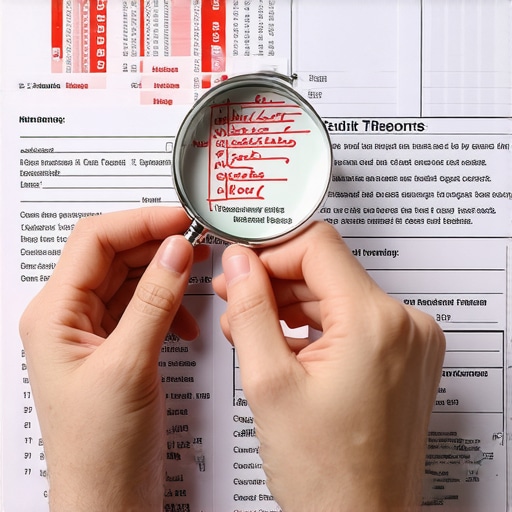
The first step I took involved a deep dive into my credit reports. I downloaded my reports from all three bureaus and marked every unfamiliar or suspicious entry. Think of it like cleaning out a cluttered closet — every item that doesn’t belong needs to go. I used the step-by-step guidance from this resource to ensure I was thorough. Disputing errors isn’t just about sending a quick email; it’s about crafting a clear, concise dispute letter that links each error to solid evidence. When I disputed a closed account incorrectly reported as open, I included bank statements proving the account was closed. The result? The bureau corrected the mistake, giving my score a noticeable boost. If you’re unsure how to start, check out these dispute strategies.
Prioritize High-Impact Disputes
Not all errors are created equal. My experience taught me to prioritize disputes that had the biggest impact on my score. For example, incorrect late payments or accounts marked as delinquent when they weren’t can cause a significant score dip. Tackling these first is like fixing a leaking pipe before painting the walls — it’s the most effective use of your effort. I used expert advice to identify which errors to dispute first. This approach saved me time and maximized score gains. Remember, a well-structured dispute can lead to faster results and a stronger credit profile.
Leverage Strategic FICO Optimization Tactics
Once errors were cleared, I shifted focus to FICO optimization techniques. This included balancing my credit utilization ratio — aiming to keep it below 30%. Think of your credit utilization as a credit score thermostat; the lower, the better. I also added a mix of credit types, including a small personal loan, to demonstrate my ability to manage different credit forms responsibly. To stay on top, I set up alerts for due dates to ensure I paid bills on time, reinforcing my reliability. These small but consistent actions build trust with the scoring models and translate into steady score improvements over time. For detailed strategies, I turned to these proven tips.
Maintain and Monitor Progress Regularly
Building lasting credit isn’t a one-and-done task. I scheduled quarterly reviews of my credit report to catch any new errors early. This routine kept my report accurate and my score climbing. Additionally, I monitored my FICO score via free tools to see how my actions translated into real results. If you notice fluctuations, revisit your accounts for potential inaccuracies or new issues. Staying proactive is the key to long-term trust and improved scores. For ongoing support, consider reaching out through this contact page.
< >
>
Many people believe that disputing errors on their credit reports is a quick fix or that all errors are easy to spot and resolve. However, the reality is far more nuanced. A common misconception is that any mistake will automatically boost your score once corrected. In truth, understanding the intricacies of credit reporting and dispute processes is essential for meaningful improvement.
One of the biggest pitfalls I see is the myth that all errors are equally impactful. Some inaccuracies, like an incorrect address, might not affect your score much, while a wrongly reported delinquent account can cause a significant drop. Prioritizing disputes based on potential score impact is crucial. Using expert advice, such as the strategies outlined here, can help you focus your efforts wisely.
What advanced tactics should I use to ensure my disputes are successful and lasting?
Disputing errors isn’t just about sending a letter and waiting. It involves detailed documentation, understanding the bureaus’ dispute processes, and sometimes, following up persistently. For instance, including concrete evidence like bank statements or payment records can make your case stronger. Additionally, leveraging knowledge of how FICO scoring models react to various credit behaviors allows you to tailor your disputes for maximum impact. This strategic approach minimizes the risk of errors reappearing and helps build long-term trust with creditors.
It’s also important to stay aware of common pitfalls, such as disputing outdated information that the bureaus are legally required to retain for certain periods. Knowing these nuances can prevent wasted effort and frustration. For comprehensive guidance, consult the detailed steps outlined in this resource.
Finally, remember that improving your credit report is an ongoing process. Regular monitoring, strategic disputes, and responsible credit management combine to foster genuine trust and higher scores. If you’re ready to take your credit repair to the next level, consider reaching out through this contact page for personalized support.
Have you ever fallen into this trap? Let me know in the comments.
Maintaining and improving your credit report over time requires more than just initial efforts; it demands the right tools and consistent strategies. Over the years, I’ve tested various software, apps, and methods that help me stay on top of my credit health and ensure my efforts yield lasting results.
How do I keep my credit report in top shape year after year?
One of the key tools I rely on is Credit Karma. While it’s a free service that offers a quick snapshot of your credit scores and reports, I use it primarily for regular monitoring. Its user-friendly interface and timely alerts help me catch any anomalies early, preventing minor issues from escalating. However, for more detailed insights and dispute management, I prefer MyFICO. This platform provides access to your actual FICO scores and detailed credit reports, which are essential for strategic decision-making and dispute accuracy. I’ve found that setting up monthly review routines using MyFICO has kept my report clean and trustworthy.
In addition, I use Experian’s CreditWorks subscription, which offers advanced identity theft protection and credit monitoring. Given the increasing sophistication of fraud attempts, this added layer of security helps me maintain confidence in my credit profile. For me, integrating these tools into a routine—reviewing reports, checking for errors, and monitoring activity—has been crucial for long-term success.
What about managing disputes and errors efficiently?
When it comes to correcting errors, I leverage tools like dispute management software. This software helps organize disputes, track responses, and automate follow-ups, saving me countless hours. I also document every dispute with screenshots and PDF copies of supporting evidence, which is vital if I need to escalate issues or challenge inaccurate information further.
Another technique I recommend is maintaining a dedicated digital folder for all credit-related documents—statements, dispute correspondence, and credit reports. This organized approach allows quick access and ensures nothing slips through the cracks. Regularly updating this folder, say quarterly, keeps your dispute process streamlined and responsive.
Predicting future trends in credit management
Looking ahead, I predict that AI-powered credit monitoring and dispute resolution tools will become mainstream. These innovations will not only streamline error detection but also personalize dispute strategies based on your unique credit profile. As these technologies evolve, staying ahead by adopting them early will be essential for sustained credit health.
To get started with a proven method today, try setting up a monthly review routine with your chosen tools and take advantage of dispute management software to handle errors efficiently. Consistency is key—by doing so, you’ll build a resilient credit profile that supports your financial goals for years to come.
If you need personalized support or want to explore advanced strategies, don’t hesitate to reach out here.
The Hardest Lesson I Learned About Fixing My Credit
One of the most eye-opening lessons was realizing that not all errors are created equal. I once spent hours disputing minor address typos that had no real impact on my score, only to discover that correcting a wrongly reported late payment made a much bigger difference. Focusing my efforts on high-impact errors saved me time and significantly boosted my score.
How I Discovered the Power of Strategic Disputes
Initially, I believed that sending a generic dispute letter would automatically fix everything. It wasn’t until I started including concrete evidence—like bank statements and payment records—that I saw real results. The key was understanding which errors had the most influence on my FICO score and targeting those first.
The Importance of Continuous Monitoring
Building trust with my credit report isn’t a one-time effort. I learned to review my reports quarterly, catching new errors early and maintaining a stable, high score. Using tools like MyFICO and Credit Karma helped me stay proactive, ensuring my credit profile remained accurate and trustworthy over time.
Curated Resources That Changed My Approach
- MyFICO: I trust this platform for accessing my actual FICO scores and detailed reports, which are crucial for strategic moves.
- Dispute Management Software: Organizing disputes and tracking responses kept my efforts efficient and effective.
- Credit Karma: Its alerts and quick snapshots help me monitor my report regularly without stress.
- Expert Articles on Credit Clarity: The detailed guides and strategies from this resource and others helped me refine my dispute tactics.
Don’t Wait—Your Future Depends on Your Credit Trust
Improving your credit report is a journey, not a sprint. With consistent effort, smart dispute tactics, and ongoing monitoring, you can build lasting trust in your credit profile. Take action today—your financial future is worth it. Ready to start? If you’re looking for personalized guidance, reach out here and let’s make your credit work for you.
Reading this post really resonated with me because I used to overlook the importance of regular credit report reviews, thinking that paying bills on time was enough. It’s surprising how many small errors can stay unnoticed and then drag down your score over time. I’ve found that setting quarterly reminders to check my credit report makes a huge difference—they help catch inaccuracies early and keep my credit profile accurate. I also started using dispute templates for high-impact errors like incorrect late payments, which sped up the correction process. Has anyone else found that focusing on specific types of errors, like unauthorized accounts or wrong balances, yields faster score improvements? I’m curious about which disputes others have prioritized and the results they’ve seen—sometimes, I wonder if all errors are worth disputing or if targeting just the big ones is enough to boost your score effectively.
I really appreciate this detailed approach to credit repair. Identifying errors systematically and prioritizing high-impact disputes is so important—I’ve seen firsthand how fixing a few major issues like incorrect late payments can boost your score faster than minor inaccuracies. What’s interesting is how staying consistent with monitoring, like scheduling quarterly reviews, helps catch new errors early, keeping the credit profile healthy over time. I also agree that leveraging tools like dispute management software can make the process much more efficient and organized. One thing I’ve found useful is setting specific goals for my credit reports, like aiming to keep my utilization below 30% and ensuring all accounts are reported correctly. It makes the ongoing work feel manageable and rewarding when I see steady improvements. For anyone struggling with where to start, I’d recommend focusing first on errors that impact your score the most—what mistakes have others found to be the most influential in their credit repair journey?
This post really underscores the importance of focusing on high-impact errors in credit reports. I used to get overwhelmed trying to dispute every minor mistake, but I learned through experience that tackling the most significant errors, like incorrect late payments or accounts marked as delinquents, yields the best results. I’ve also found that maintaining a disciplined approach—such as keeping my credit utilization below 30% and regularly reviewing my report—helps build a solid credit foundation over time. One thing I’ve started doing is setting calendar reminders for quarterly checks and using dispute management tools to stay organized. Do others find that focusing primarily on high-impact errors saves time and energy, or do you think fixing minor inaccuracies can add up in the long run? I’d love to hear tips on how to prioritize disputes effectively without spreading yourself too thin—after all, consistency seems key to building trust with your credit profile.
This post hits the nail on the head. I’ve been working on my credit for a while and realized that the small errors, like outdated addresses or old accounts, really don’t affect my score much. Instead, I’ve shifted my focus to correcting incorrect late payments or accounts marked as delinquent. It’s amazing how much of a difference tackling high-impact errors makes. I also found that maintaining a low credit utilization, ideally below 30%, provides a steady boost in my scores. Sometimes, I wonder if layering in different types of credit helps further, or if focusing solely on removing negatives and keeping balances low is enough. Has anyone found a balance that works best? And what are the most effective ways to stay on top of errors without it becoming overwhelming? I’d love to hear how others manage their ongoing credit review routines. Continuous monitoring is clearly essential, but it’s the strategic focus on errors that really moves the needle!
This post really hits home for me. I used to think that paying bills on time was the only thing that mattered for my credit, but I learned that regular review and dispute of inaccuracies are just as crucial. I started scheduling monthly checks of my credit reports, which helped me catch errors early, especially with outdated information that didn’t impact my score but still needed correction for accuracy. One challenge I faced was staying organized—using dispute templates and tracking responses made the process more manageable. I’m curious, how do others prioritize which errors to dispute? Do you focus mainly on those that impact your score most, or do you dispute everything you find? Also, have you found any particular tools or methods that make ongoing monitoring easier and more effective? I believe consistent effort and strategic error correction really do build trust in your creditworthiness over time.