

Have you ever been caught off guard by a sudden drop in your credit score or a surprise rejection for a loan? I remember the exact moment I realized that a simple bank statement could have turned things around for me. During a frustrating credit dispute, I felt helpless, unsure of what evidence could truly make a difference. That lightbulb moment hit me hard: my bank statement, often overlooked, is a goldmine of proof—if you know how to use it. Today, I want to share how this seemingly ordinary document became my secret weapon in resolving disputes and boosting my FICO score.
Uncovering the Hidden Power of Your Bank Statement
Many folks, including myself early on, don’t realize that a bank statement can serve as solid evidence when contesting errors on your credit report. It’s proof of real transactions, payments, and balances that can verify or dispute information that credit bureaus or lenders have reported. If you’ve faced inaccurate account details, incorrect late payments, or unauthorized charges, presenting a clear, detailed bank statement can make all the difference. But here’s the catch: you need to know how to leverage it effectively. I learned this the hard way, making the mistake of submitting vague dispute letters without supporting documents—an easy way to get ignored or denied. That experience taught me that concrete evidence, like your bank statements, is essential.
What’s the Big Deal About Evidence Anyway?
Well, according to recent studies, about 20% of credit report errors are incorrect or outdated information, which can heavily impact your score. Providing verified proof can expedite the correction process and remove inaccuracies that hurt your FICO score. But, I know what some of you might be thinking: “Is this really worth all the hassle?” The quick answer is absolutely. When I started submitting detailed bank statements alongside my dispute letters, things moved much faster. The bureaus had no choice but to investigate thoroughly. If you want to distinguish yourself from others trying to repair their credit, mastering the art of using bank statements as evidence can be a game-changer.
And trust me, I’ve seen firsthand that this approach can save you big time—saving money, reducing stress, and giving you control over your financial future. Curious about how to get started? Well, that’s exactly what we’re going to dig into next. But first, have you ever faced a situation where bank records could have tipped the scales, but you just didn’t think of using them? Drop your story or question in the comments—I’d love to hear your experiences and help you navigate this crucial step.
Remember, the key is not just having the evidence but knowing how to present it strategically. For a detailed guide on how to dispute errors effectively, check out this resource. With the right approach, your bank statement can become your most powerful tool in transforming your credit profile.
durations of effort. Ready to see how to harness this tool? Let’s move on to the practical steps that put you in the driver’s seat for dispute success.
Gather Your Evidence Sharp and Clear
Start by locating your most recent bank statements—preferably the last six months. Use digital copies if possible; they are easier to annotate. Carefully review each transaction, confirming charges, payments, and balances match your records. During my own attempt, I realized I had an erroneous late fee on one statement. I highlighted that entry, took a screenshot, and kept it handy. This step ensures you know exactly what discrepancies to target during your dispute process, making your case more compelling and organized.
Identify Dispute Targets Precisely
Next, identify the errors that could be impacting your credit report—such as incorrect account balance, unpaid charges, or unauthorized transactions. Think of this like a detective hunting for clues; the clearer and more specific your targets, the easier your dispute will be. For instance, I once found a payment marked as late due to a bank error, which I documented thoroughly. This precision is crucial because vague claims are easily dismissed—exact evidence increases your chance of success.
Draft Your Dispute Letter Strategically
Your dispute letter should include specific details: your full name, account number, and a clear explanation of each error supported by your bank statement annotations. Attach copies of relevant bank pages, highlighting the contested entries. In my case, I pointed out the incorrect late fee and included a screenshot with a caption. Using a professional tone and concise language avoids misinterpretations. Remember, credit bureaus prioritize verifiable evidence—your goal is to make it impossible to deny the error with concrete proof.
Use Certified Mail for Proven Delivery
Send your dispute package via certified mail with return receipt requested. This creates an official paper trail, proving your efforts and the date of delivery. When I submitted my first dispute this way, I received an acknowledgment from the bureau within two weeks, which accelerated the correction process. This method minimizes disputes getting lost or ignored, especially when dealing with stubborn errors that affect your FICO score negatively.
Follow Up and Track Your Progress
After sending your dispute, regularly check the status. Use online portals or contact the credit bureaus directly—refer to this resource for tips on efficient follow-up techniques. Keep a log of all communications, including dates, responses, and any additional evidence sent. During my process, I tracked every step meticulously, which proved invaluable when I needed to escalate or dispute further. Persistence and accurate record-keeping can prevent delays and ensure your corrections are expedited.
Explore Additional Dispute Tactics and Tips
If errors persist despite your efforts, consider leveraging advanced strategies like filing a formal dispute escalation or seeking professional help. Sometimes, a combination of bank statement evidence and expert advice can turn the tide. For further insights, visit this guide for comprehensive techniques. Remember, the key is relentless attention to detail and unwavering documentation—your bank statements are a powerful tool, but only if used strategically and assertively in your dispute arsenal.
< >
>
Many people enter the credit repair journey with misconceptions that can hinder their progress more than help. A prevalent myth is that checking your credit report frequently will lower your score. However, according to FICO experts, soft inquiries—such as your own checks—do not impact your score. In fact, regular reviews help you catch errors early and maintain oversight. Conversely, many believe that closing old credit accounts will boost their credit score; this is false. Closing such accounts can reduce your credit history length and increase your overall utilization rate, both of which can lower your FICO score. It’s essential to understand these nuances to avoid unintended damage.
Why Do People Persist in Believing These Myths?
A major reason is misinformation floating around forums and social media, often oversimplified or misunderstood. For example, some think that disputing every negative item will automatically improve their score, but disputing frivolous errors without substantial evidence can backfire or delay genuine improvements. Moreover, many don’t realize that the impact of errors depends on their prominence—correcting a minor typo rarely shifts your score much. To get an accurate picture and make strategic improvements, banking on myths can be costly.
Research indicates that up to 80% of credit reports contain inaccuracies, but not all are worth disputing. Key is prioritizing corrections that influence your most significant FICO components—payment history, amounts owed, length of credit history, new credit, and credit mix. For instance, focusing on disputing outdated collections or correcting payment errors can yield more tangible results. Neglecting these specifics, owing to misconceptions, hampers your ability to improve effectively. To deepen your understanding, exploring this guide can clarify the real mechanics behind score changes.
The trap here is thinking any effort is equally effective. In reality, strategic dispute and focused credit building matter. Don’t fall prey to the idea that quick fixes or superficial fixes are your best bet—steadily correcting genuine errors and boosting positive behaviors drive lasting improvements.
Have you ever fallen into this trap? Let me know in the comments. Recognizing these misconceptions is the first step towards smarter, more effective credit strategies.
When aiming for higher FICO scores, remember that mastery comes from understanding the intricacies of credit scoring models and focusing on impactful actions over myths. For comprehensive techniques that truly move the needle, check out this resource.
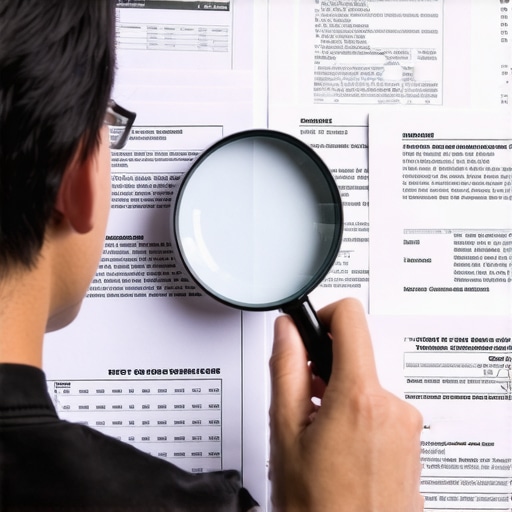 }# Alt: A person reviewing credit reports with a magnifying glass, emphasizing careful analysis and correction of errors. Title: The importance of understanding your credit report nuances. Description: A detailed close-up of a credit report being thoroughly examined to identify and correct errors that impact FICO scores.
How Can I Keep My Credit in Top Shape Over Time?
Maintaining excellent credit requires more than just occasional dispute efforts; it demands consistent oversight and the right tools to stay ahead. Personally, I rely heavily on specialized software and strategic practices to ensure my credit profile remains optimized. One of my top recommendations is Credit Karma. Not only does it provide real-time updates on your credit score, but its user-friendly interface helps me track changes and spot anomalies immediately. Unlike generic apps, Credit Karma pulls data directly from the credit bureaus without impacting your score through hard inquiries, making it ideal for regular monitoring.
Another essential tool I use is Experian’s IdentityWorks. It offers comprehensive identity theft protection and alerts me to any suspicious activity that could threaten my credit health. This proactive approach is vital, especially considering cyber threats escalating in complexity. I also make it a habit to review my credit report using resources like this step-by-step guide. Regular verification helps me catch errors right away and prevents small issues from snowballing into significant score damage.
Tools are only part of the equation; establishing a routine is just as critical. I set calendar reminders monthly to check each of my credit accounts—this simple habit ensures no unfamiliar activity slips through unnoticed. For dispute management, I prefer using specialized document tracking methods, such as the 4-page evidence log. Keeping meticulous records of my correspondence, supporting documents, and results allows me to escalate disputes confidently and efficiently.
Looking ahead, I predict that AI-driven credit monitoring tools will become more sophisticated, offering predictive insights and personalized advice. This evolution will empower consumers to act preemptively rather than reactively. Embracing these advancements means integrating smart tools now will position you ahead of frequent issues and help sustain a high FICO score over years.
What Are the Best Strategies for Long-Term Credit Growth?
In addition to tools, maintaining healthy credit habits is crucial. Regularly paying down balances, avoiding unnecessary credit inquiries, and keeping old accounts active all contribute to a strong credit history. Consider setting up automated payments for at least the minimum amount due—this guarantees timely payments and positively influences your payment history, which is a major component of FICO scoring models. Furthermore, periodically requesting a credit limit increase, when justified, can improve your utilization rate without the need to open new accounts, preserving your credit mix.
If managing all these aspects feels overwhelming, know that steadily applying these tools and practices will yield consistent improvements. For example, automating dispute follow-ups with a dedicated email or service can save you time and ensure no errors remain unchallenged for long. Remember, your credit profile is a living document; diligent maintenance with the right resources will keep your FICO score climbing and prevent minor issues from turning into major setbacks. To deepen your understanding of continuous credit management, consider exploring this comprehensive guide.
Start by trying one of these advanced tools or routines today, and watch how your credit stability grows strong over time. Keeping things working isn’t a one-time task but a sustained effort—embrace the process, and your financial future will thank you.

Image showing a person actively reviewing credit reports on a digital tablet, emphasizing proactive management and vigilance in maintaining good credit standing. Alt: Individual analyzing credit reports for ongoing credit health. Title: Staying Connected: Real-Time Credit Monitoring for Long-Term Success.
Looking back, one of the most valuable lessons I learned in credit repair is that sometimes the biggest gains come from understanding what others overlook. For instance, I used to think that disputing every negative item on my report would rapidly boost my score, but I discovered that strategic targeting and solid evidence—like detailed bank statements—are the real game changers. It’s not just about fixing errors; it’s about understanding how scoring models interpret your credit profile and exploiting that knowledge. My lightbulb moment was realizing that behind every credit dispute lies an opportunity to educate yourself and gain control over your financial narrative.
Lessons That Changed My Approach to Credit Fixing
- Focus on High-Impact Errors: Not all mistakes weigh equally. Prioritizing outdated delinquencies or inaccurate account statuses has a disproportionate effect on your FICO score. I learned to cut through the noise and address the items that truly move the needle.
- Master the Art of Evidence Gathering: A detailed bank statement with highlighted discrepancies served as my secret weapon, transforming vague disputes into undeniable proof. This approach gave me confidence and sped up the correction process.
- Don’t Fall for Myths: Believing that closing old accounts helps or that soft inquiries damage your score can lead to setbacks. Self-education about credit mechanics is essential for making informed decisions.
- The Power of Persistence and Documentation: Keeping meticulous records and following up consistently ensured my disputes didn’t fall through the cracks. I realized that patience combined with strategic action yields long-term benefits.
- Leverage Technology Wisely: Modern tools like Credit Karma and Experian’s IdentityWorks became my proactive allies, helping me monitor changes and catch errors early—saving time and stress.
Tools That Turn the Tide in Your Favor
- My Trusted Dispute Resources: For comprehensive steps on effective dispute resolution, I recommend this detailed guide. It’s a cornerstone for building a solid strategy.
- Credit Monitoring Applications: Regular oversight with platforms like Credit Karma and Experian provides real-time insights, enabling me to act before errors damage my score.
- Educational Content and Communities: Staying informed through expert blogs and forums has helped me stay ahead of scammy schemes and misconceptions, ensuring I make decisions rooted in knowledge rather than myths.
- Personal Organization Systems: Maintaining an evidence log and setting reminders for dispute follow-ups keeps the process manageable and improves my chances of success.
Embrace the Journey: Empower Your Credit Future
Today, I stand confident knowing that credit repair isn’t about quick tricks but mastering the craft of strategic, informed action. The path might require patience, but each step builds a stronger financial foundation. Whether you’re just starting or looking to fine-tune your credit health, remember that your knowledge, discipline, and the right tools are your allies. Your credit journey is uniquely yours—embrace it with curiosity and resolve, and watch as your credit profile transforms into an asset that opens doors to endless opportunities.
What’s the biggest lesson you’ve learned in your credit repair journey so far? Share your story below—I’d love to hear how you’re taking charge of your financial future!
}#}# Alt: A person reviewing their credit report on a laptop, symbolizing proactive credit management. Title: Take Control: Strategies for Lasting Credit Success. Description: An individual carefully analyzing credit reports with tools and notes, emphasizing the importance of ongoing vigilance and strategic efforts to maintain optimal credit health.