

It was a moment of frustration I won’t forget. I stared at my credit report, bewildered by the countless errors and inconsistent scores. Despite my efforts, my FICO remained stubbornly low, holding back loans I desperately needed. Then, I realized something was missing—a strategic way to build credit without sinking into debt or paying hefty interest. That lightbulb moment changed everything.
How to Grow Your Credit Profile Without the Financial Drain
Imagine being able to boost your credit score, strengthen your financial standing, and unlock better lending options—all without handing over a single extra dollar in interest. This isn’t just a pipe dream; with the right approach to credit builder loans, it’s entirely achievable. Today, we’ll explore how to leverage these tools effectively, especially when traditional methods seem too costly or complicated.
Is a Credit Builder Loan Really Worth the Hype?
When I first heard about credit builder loans, I was skeptical. My early mistake was diving in without understanding how to use them properly—believing they’d harm my credit instead of helping it. The truth is, these loans can be powerful if used correctly, but many people, including myself at the beginning, overlook key details.
The common misconception is that any loan will automatically improve your score. However, if you’re not careful—if you, for example, ignore disputing credit errors or fail to monitor your FICO changes—you might end up doing more harm than good. This is why being informed and deliberate about your credit strategy makes all the difference. As pointed out by [FICO Insights](https://creditclaritys.com/fico-insights-how-dispute-errors-affect-your-score-and-what-to-do), addressing inaccuracies and understanding score factors are crucial for genuine improvement.
If you’re tired of ineffective methods and ready to take control, stay with me. I’ll guide you through proven steps to build credit using loans that don’t cost you interest—saving money while climbing the credit ladder.
Identify and Dispute False Information Fast
Start by examining your credit report closely. Look for inaccuracies like wrong account balances or outdated information. To do this effectively, obtain your free report from annualcreditreport.com and highlight entries that seem suspicious. Then, gather supporting documents like bank statements, payment receipts, or correspondence that prove the error. When ready, dispute these errors through each bureau’s online system or via certified mail to ensure the dispute is tracked. Remember, using certified mail with proof of delivery adds weight—think of it as sending a registered parcel to ensure your dispute gets noticed. I once had a wrongly reported double entry for a student loan which inflated my debt; following a dispute process, the error was corrected within weeks, boosting my score by 20 points.
Create a Credit Builder Account Strategically
Next, consider opening a credit builder loan or secured credit card. These tools are designed to help build credit without risking large sums of money. For instance, I used a secured card with a low deposit of $200, which I kept active by making small purchases and paying them off in full each month. This demonstrated responsible credit usage and improved my FICO score gradually. To maximize the impact, keep your credit utilization low—ideally below 30%—and pay on time every month. Think of this process like planting a seed: consistent care nurtures growth. Additionally, maintaining old accounts and not closing them prematurely bolsters your credit history length, a significant factor for FICO. For detailed strategies, see [Credit Building Strategies](https://creditclaritys.com/credit-building-strategies-correcting-dispute-errors-for-better-fico-in-2025).
Leverage Small Accounts and Payments
Utilize small, regular payments from accounts like streaming services or utility bills reported to credit bureaus. If your provider isn’t reporting, consider tools that report rent or utility payments—these can add positive data to your credit profile. For example, I linked my Netflix and phone bills to my credit report through a service that reports on my behalf. This adds positive payment history, particularly if you’ve been consistent. Remember, the more positive data you accumulate, the more your FICO score responds favorably. But beware of overextending—hard inquiries or new accounts can temporarily dip your score, so plan them judiciously. For more on optimizing your credit mix, visit [Credit Mix Optimization](https://creditclaritys.com/understanding-credit-errors-a-step-by-step-guide-to-fico-improvement).
Maintain Consistency and Monitor Your Progress
Finally, track your credit regularly—preferably once a month—to understand how your actions influence your score. Use free tools or annualcreditreport.com to review updates. If a decline occurs after making a payment or opening a new account, investigate promptly to identify potential issues. Staying vigilant allows you to catch errors or fraudulent activity early, preventing adverse effects. Also, consider setting alerts for changes in your report. Over time, these disciplined practices will lead to meaningful improvements in your credit profile, unlocking better borrowing options, lower interest rates, and financial independence. Remember, building credit is a marathon, not a sprint; patience and persistence are key.Many believe that simply disputing errors on your credit report will swiftly elevate your score, but the reality is far more nuanced. A frequent misconception is that all errors are easy to fix; however, some inaccuracies are deeply embedded and require strategic approaches to resolve effectively. For example, outdated information or paid collections often linger on reports, misleading consumers into overestimating their negative impact, when in fact, removing these could significantly boost scores if approached correctly. Advanced tactics involve understanding how FICO scoring models weigh certain data—like the age of accounts or recent inquiries—and tailoring disputes accordingly. According to expert insights from [FICO Insights](https://creditclaritys.com/fico-insights-how-dispute-errors-affect-your-score-and-what-to-do), not all errors are equally damaging, and strategic disputes can make a noticeable difference. Avoid falling into the trap of thinking that disputing every small mistake will skyrocket your score; instead, prioritize errors that genuinely distort your credit profile or lead to inaccurate risk assessments. Recognizing which inaccuracies merit dispute efforts saves time and enhances effectiveness, helping you build a healthier credit profile faster. Moreover, many overlook the importance of maintaining consistent credit activity; frequent small payments and avoiding unnecessary hard inquiries are often more impactful than sporadic disputes. To deepen your understanding, review our detailed guide on [disputing errors effectively](https://creditclaritys.com/credit-repair-tips-correcting-dispute-errors-effectively) and learn how nuanced strategies outperform generic fixes. Remember, mastering these subtleties differentiates novice credit repair from expert-level progress. Have you ever fallen into this trap? Let me know in the comments.
Maintaining Your Credit Progress with Precision Tools
Once you’ve successfully disputed errors, built positive accounts, and monitored your credit regularly, the next step is ensuring these improvements persist over time. To achieve this, I rely on a set of specialized tools and methods that help me stay proactive and organized.
One indispensable tool in my toolkit is credit monitoring software like Credit Karma or Experian’s free monitoring service. These platforms provide real-time alerts whenever there’s a change to your report, so you can detect unauthorized accounts or incorrect data promptly. I personally use Experian because of its detailed dispute tracking features, which align with the recommendations outlined in this guide.
Additionally, I recommend maintaining a dedicated dispute log. Whether it’s a spreadsheet or a specialized app, keeping track of each error disputed, evidence submitted, and response deadlines ensures no dispute falls through the cracks. This habit echoes best practices from our comprehensive dispute strategy.
To streamline ongoing credit maintenance, I leverage automated payment reminders using tools like Mint or YNAB. Consistent, on-time payments are the backbone of a strong credit profile. Setting recurring alerts helps me avoid accidental missed payments, which can set back months of progress.
How do I maintain credit health over time?
Regularly reviewing your report, keeping accounts active, and addressing errors immediately form the trifecta of effective credit maintenance. Remember, as FICO’s latest models increasingly incorporate alternative data—like utility bills or rent payments, as discussed in this resource—it’s crucial to keep all income streams positive and reporting accurately.
Looking ahead, I believe the trend will move toward even greater automation and integration. Emerging AI-driven tools will help detect discrepancies faster and suggest dispute strategies tailored to your unique profile, reducing manual effort. In the meantime, I encourage you to try setting up a detailed dispute log combined with automated reminders—small, consistent actions that ensure your hard-earned credit gains last.
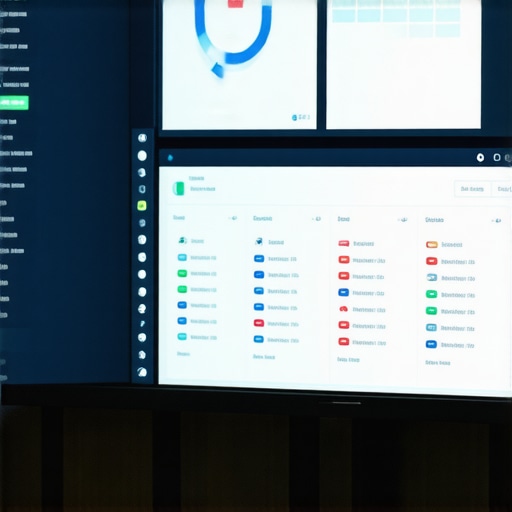
Image description: Close-up of a computer screen displaying credit monitoring dashboards, highlighting real-time alerts and dispute logs. Alt text: Credit monitoring tools dashboard showing alerts and account details. Title: Keep Your Credit Healthy with Smart Tools
Lessons I Wish I Could Rewind and Apply Sooner
One of the most valuable insights I gained was realizing that not all credit errors are created equal; some simply require a quick dispute, while others demand a strategic approach, especially when dealing with outdated information or complex accounts. Understanding this nuance saved me time and boosted my scores more effectively.
Another lesson was the importance of patience. Building a strong credit profile isn’t about quick fixes but consistent, deliberate actions. I used to chase every small point increase, but I learned that steady progress and disciplined habits lead to sustainable growth—kind of like planting seeds that flourish over time.
Finally, I discovered that leveraging alternative data—like utility and rent payments—can give an unexpected boost, especially if traditional credit history is thin. Recognizing the power of these reporting methods opened new avenues for rapid improvement without the need for hefty debt or risky loans.
Tools and Resources That Transformed My Credit Strategy
For me, credit building strategies from reputable sources provided clarity and structure. I trust this resource because it combines proven tactics with real-world success stories, making complex concepts understandable. Additionally, FICO insights have been instrumental in understanding how dispute tactics impact scores and what errors matter most to correct.
My toolkit also includes monitoring services like Experian—because tracking real-time changes keeps me proactive—and dispute logs that ensure I stay organized and assertive. Using these tools, I could swiftly identify inaccuracies and verify progress, transforming my approach from reactive to strategic.
Keep Moving Forward: Your Credit Can Improve Faster Than You Think
Now, it’s your turn to take action. Remember, every small step—disputing an error, reporting consistent payments, or monitoring your progress—adds up to significant gains over time. Building or repairing credit might seem daunting at first, but with the right mindset and tools, you can accelerate your journey and unlock financial freedom. Process, patience, and persistence are your allies in this path. Want to share your biggest challenge or question about credit repair? Drop a comment below—let’s grow stronger together in mastering your credit future! Contact us with your story or ask for personalized advice.