

I remember the exact moment I realized my credit report had been marred by an eviction error. It was late at night, and I was staring at my screen feeling hopeless. My heart sank because I knew how much a single mistake on my credit report could derail my plans—buying a home, securing a loan, or even simply lowering my interest rates. It hit me hard: I needed to fix this, and fast.
Why Getting Your Credit Back on Track Matters More Than Ever
In today’s financial world, your credit score isn’t just a number—it’s the key to opportunities, stability, and peace of mind. But what happens when an eviction error drags that number down unfairly? You might feel overwhelmed or unsure where to start. Trust me, I’ve been there. The good news is that with the right approach, you can regain control of your credit report and rebuild your reputation.
Is It Really Worth the Effort to Fix Dispute Errors?
Many folks dismiss small inaccuracies or think that fixing credit issues is too complicated or time-consuming. I made that mistake early on—the misconception that disputing details was a waste of time. But I learned that correcting dispute errors can significantly improve your FICO score, sometimes in just a few months. According to credit repair experts, proactive dispute resolution is one of the most effective ways to restore your credit health.
If you’ve ever faced a similar setback, ask yourself: Have I really given my credit report the attention it deserves? Or have I just accepted the wrong information and moved on? The truth is, many people leave these errors unchallenged, unknowingly handicapping their financial futures. That’s why I want to walk you through proven strategies to correct dispute errors and get your credit back on track.
Next, we’ll explore the initial steps to identify and challenge wrongful eviction marks. Ready to start rebuilding your trust in your credit report? Let’s dive into the essentials that will set you on the path to financial recovery.
Identify and Gather Evidence of Errors
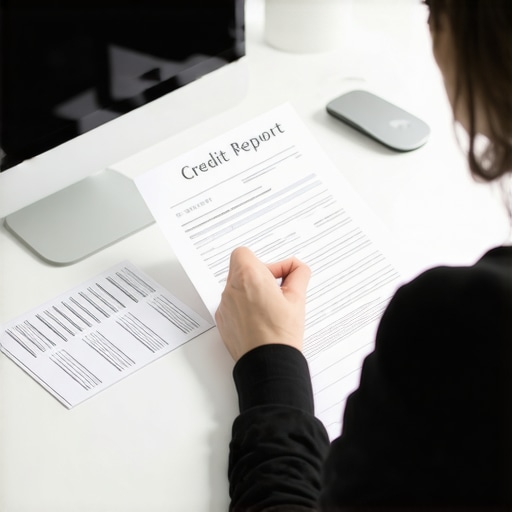
Start by obtaining your free credit report from reputable sources. Review each entry carefully, focusing on inaccurate eviction marks, late payments, or duplicate accounts. I once found an eviction note that was five years old and clearly outdated; catching such errors is crucial. Collect supporting documents like bank statements, eviction notices, or correspondence that prove the entry is wrong.
Draft a Precise Dispute Letter
Write a clear, concise letter to the credit bureau explaining each specific error. Use bullet points to organize disputes and include copies of evidence. Keep your tone professional yet firm. For example, I disputed a wrongly reported eviction by citing the date, account details, and attaching a copy of my rental payment history. Sending well-structured disputes increases the chance of correction.
Leverage the Credit Bureau’s Dispute System
Most bureaus offer online dispute portals. While some advise against rushing through their automated systems, I found that the manual approach ensures thorough review. Upload your evidence directly, and request that the bureau conducts a comprehensive investigation, not just a superficial one. Remember, persistence matters; if the first response isn’t satisfactory, follow up promptly.
Follow Up and Confirm Corrections
After submitting your dispute, give the bureaus 30 days to investigate. Stay proactive by calling or emailing to check on progress. When corrections are made, request updated credit reports to verify the errors are eliminated. I learned this the hard way—initially, I didn’t verify that the eviction note was removed, which delayed rebuilding my score. Consistent verification ensures the dispute results in tangible improvements.
Dispute Repeatedly if Necessary
If errors persist, escalate your request. You can file complaints with the Consumer Financial Protection Bureau or consult comprehensive repair guides to refine your approach. Remember, clear documentation and perseverance can force a bureau’s hand, much like in a legal case—evidence counts, and multiple attempts often lead to success.
Build New Credit While Fixing Errors
Parallel to disputes, focus on strengthening your credit profile through secure accounts or credit-building loans. This combined strategy boosts your FICO score faster. Accurate and timely reporting of new positive activity can outweigh minor errors over time, and you’ll be better prepared to address future discrepancies.
Many believe that once you’ve identified and disputed an error on your credit report, the battle is over. However, this oversimplification overlooks critical nuances that can significantly impact your credit repair journey. One prevalent myth is that all disputes are resolved quickly and conclusively; in reality, complex errors, especially wrongful eviction marks, may require multiple rounds of investigation, each demanding meticulous documentation and strategic communication. Moreover, many people underestimate the importance of understanding how dispute processes interact with FICO scoring models. For instance, frequent inquiries or multiple disputes within a short period can inadvertently lower your score if not carefully managed, contradicting the common belief that dispute activity always boosts credit health. An advanced mistake to avoid is relying solely on automated dispute systems. While convenient, they often lack the capacity to recognize subtler errors or context-specific nuances, making manual review and personalized appeals far more effective. According to credit expert credit repair specialists, leveraging a combination of comprehensive evidence collection and strategic dispute escalation enhances the likelihood of successful corrections. Additionally, misconceptions about building credit quickly can lead to risky behaviors, such as opening many new accounts in a short span, which can backfire and depress your FICO score temporarily. Instead, focusing on consistent, responsible credit activity, like timely payments and maintaining low balances, yields better long-term results. Have you ever fallen into this trap? Let me know in the comments. Understanding these hidden details ensures you’re not only fixing errors but also strengthening your overall credit profile more effectively.
Stick with Reliable Tools for Ongoing Success
Maintaining your credit health over time demands more than just initial dispute success; it requires consistent monitoring and strategic updates. I personally rely on credit monitoring services like Experian CreditWorks because they offer real-time alerts on changes to my credit report, allowing me to act swiftly if any new issues arise. These tools provide detailed insights into account activity and help track progress on key credit indicators such as FICO scores.
Another essential asset is document management software like Evernote. I use it to organize correspondence, dispute evidence, and proof of payment. Keeping all documentation accessible and well-organized ensures that I can quickly respond to any bureau requests or investigative updates, especially as your disputes become more complex.
Leverage Automation with Caution
Automation tools can save countless hours, especially when tracking dispute deadlines or scheduling alerts for credit report reviews. I use Google Calendar integrated with task management apps to set reminders aligned with your dispute timelines. But beware of relying solely on automated processes. Human oversight remains vital, particularly for nuanced errors like wrongful eviction marks, which often require personalized follow-up.
Optimize Your Credit Building Strategies
Beyond dispute management, targeted credit building strategies like secure credit cards and authorized user accounts bolster your FICO over the long term. My tip: regularly review your credit profile using MyFICO or other trusted platforms to identify opportunities for responsible credit activity. Keeping your utilization low, making consistent on-time payments, and maintaining seasoned accounts all contribute to sustained score improvements.
Plan for Scaling and Long-Term Results
As your credit profile grows, tools like credit simulators can project how actions like adding new accounts or paying down debt will impact your scores. I frequently use these before making significant changes. Moreover, staying informed through FICO insights helps me understand how different behaviors influence scoring models, enabling me to make smarter decisions.
Anticipate Future Trends in Credit Maintenance
The trend toward AI-driven credit monitoring and personalized financial coaching suggests that in the near future, automated tools will become even more integral to managing credit health. Embracing these innovations now, like leveraging automated FICO insights, can keep you ahead of the curve.
For anyone serious about maintaining their credit integrity, I recommend trying the advanced tip of integrating dispute follow-up tools with your ongoing credit activity tracking. This combined approach ensures that errors stay corrected and your score continues to improve sustainably. Remember, consistent monitoring, strategic tool use, and staying informed are your best allies in lasting credit health.
What I Wish I Knew Before Diving Into Credit Repair
One of the most eye-opening lessons I learned was that not all credit errors are created equal, and some myths can lead you astray. For example, I once believed that disputing every small mistake would instantly boost my score, but I found that strategic dispute timing and understanding FICO models matter far more. Also, I underestimated how powerful consistent, responsible credit behavior is—paying on time and maintaining low balances can outweigh even the most stubborn errors. Lastly, I realized that automated dispute systems are helpful, but personalized, manual reviews often uncover subtler errors like wrongful eviction marks that need a tailored approach.
My Top Picks to Keep Your Credit on Point
Over the years, I’ve come to rely on a few trusted tools and resources. My favorite is credit monitoring services like Experian CreditWorks because they provide real-time alerts, helping me stay proactive. I also swear by credit-building guides that offer proven strategies for strengthening my profile without rushing into risky behaviors. Lastly, I keep a detailed evidence log using digital tools like Evernote, which makes it easy to organize dispute documentation and respond promptly to bureau inquiries, especially with complex errors like eviction misreports. These resources have been game-changers for my ongoing credit health.
Believe in Your Power to Transform Your Credit Story
Improving your credit and FICO scores isn’t just about fixing errors—it’s about reclaiming your financial future. Each positive step you take, whether it’s disputing inaccuracies or building new credit responsibly, adds up over time. Remember, your credit journey is unique and deserves patience, persistence, and strategic action. Embrace the process, leverage trusted tools, and cultivate healthy financial habits—soon enough, you’ll see tangible progress that opens doors to opportunities you once thought impossible. Your best credit days are ahead, and taking charge today can make all the difference. How will you start or elevate your credit repair journey today? Share your plans below and let’s grow together!