
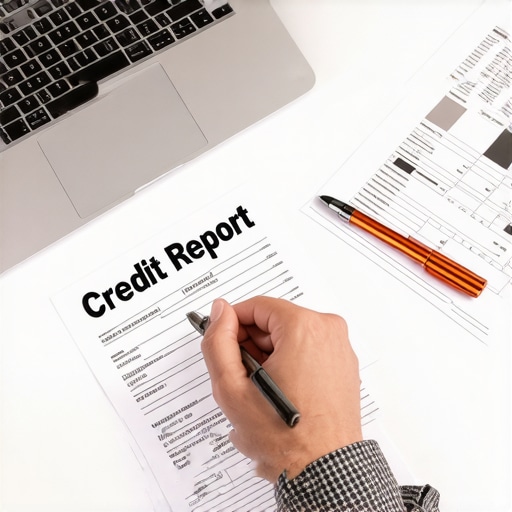
There was a time I dreaded opening my credit report. Every month felt like a gamble—hope I hadn’t overlooked some small mistake that could cost me hundreds of dollars or damage my financial future. That lightbulb moment hit me hard during a particularly stressful month when I noticed an outdated late payment that wasn’t mine, yet it was dragging my score down. The realization? If I didn’t stay on top of my report, I was leaving my finances vulnerable to errors and unfair marks.
It’s easy to get overwhelmed by the complexity of credit reports. Between disputes, ensuring accurate information, and understanding how little details impact your score, it’s enough to make anyone throw in the towel. But what if I told you there’s a simple, proven habit—just five minutes a month—that can help you keep your credit report clean and boost your financial health?
This isn’t about spending hours or paying for costly services. It’s about building a quick, effective routine that turns a daunting task into a manageable check-in. Today, I’ll walk you through how to implement this habit, help you avoid common pitfalls—like missing errors that could cost you—and ensure your credit report reflects your true creditworthiness.
Ready to take control and make this a monthly ritual? Keep reading, because a few minutes each month can save you from future headaches and keep your financial goals on track.
The Power of a Monthly Credit Check
Is It Really Worth the Hype?—My Early Mistakes That Cost Me
Start with a Complete Review of Your Report
Begin by obtaining your credit report from all three bureaus—Equifax, Experian, and TransUnion—at least once a year. Use the official sites or trusted sources, and scrutinize every detail. Look for discrepancies, outdated information, and unfamiliar accounts. During my first audit, I discovered a closed account still reporting as open, which falsely inflated my available credit and risked my score. Correcting this required submitting a dispute, but catching it early saved me points.
Spot and Dispute Errors Effectively
Errors are common and can significantly harm your FICO score. Disputes should focus on clear inaccuracies—like wrong balances, outdated late payments, or unrecognized accounts. Use the detailed process outlined in this step-by-step guide to ensure your disputes are effective. When I identified a duplicate account, I compiled evidence—including bank statements and account summaries—and submitted a dispute online. The bureau’s correction improved my score within a month.
Build a History with Small, Consistent Payments
Credit scores favor active, positive credit histories. Make small regular payments on utilities, subscriptions, or via credit-builder loans. For example, I added my Netflix subscription as a recurring payment, which helped establish a more comprehensive credit profile. The key is consistency; this demonstrates responsible behavior and boosts your credit report over time.
Leverage Authorized User Status Wisely
Adding yourself as an authorized user on a well-managed account can boost your score quickly. Ensure the primary account holder maintains low balances and consistently pays on time. Conversely, remove yourself from accounts with late payments or high utilization that could drag your score down. I personally added my parent’s aged credit card, which significantly increased my average account age, a crucial factor in credit scoring.
Maintain Low Utilization and Limit Hard Inquiries
Keep your credit utilization below 30%—preferably under 10%. Regularly pay down balances, and avoid opening multiple new accounts simultaneously, as each hard inquiry slightly lowers your score. Before applying for a new card, research the impact and consider using strategies to avoid hard pulls. In my experience, timing and strategic inquiries helped minimize score dips.
Stay Alert for Fraud and Unauthorized Accounts
Regularly monitor your reports for signs of fraud—unauthorized accounts or unfamiliar inquiries. If you spot suspicious activity, act swiftly by disputing and freezing your credit if necessary. In one case, I noticed an account I didn’t recognize. After disputing, the bureau verified my identity, and the fraudulent account was removed, protecting my credit integrity.
While many believe that simply correcting errors on your credit report guarantees a higher score, the reality is far more nuanced. A common misconception is that disputing outdated or incorrect items alone can significantly boost your FICO score. However, as I’ve learned through deep dives into credit analytics, the impact of disputes varies depending on the nature of the error and your overall credit profile. Disputes focused solely on minor inaccuracies might have minimal or no effect, especially if your creditworthiness is already strong. For credit-building strategies to be truly effective, they must be part of a comprehensive approach—think of it as fine-tuning a complex machine rather than just fixing a loose bolt. Consult experts on this matter, like those featured in this guide, to understand how disputes fit into your overall credit improvement plan. Moreover, many people overlook that some errors aren’t worth disputing at all; minor discrepancies that don’t affect your creditworthiness can be left alone to avoid unnecessary hassle. Leveraging credit-building tools and understanding the subtle influence of factors like age, mix, and utilization can make a difference that disputes alone cannot achieve. Recognizing these hidden factors ensures you’re investing your time and effort wisely. Have you ever fallen into this trap? Let me know in the comments. Overall, the key is to adopt a strategic mindset—every detail matters, but not all errors carry the same weight. Stressing over trivial inaccuracies might divert attention from more impactful actions, such as maintaining low utilization or building positive history over time. By integrating advanced knowledge of FICO’s nuances, you can craft a smarter, more effective plan for credit repair and growth, avoiding common pitfalls that most overlook.
How do I keep my credit profile in top shape over time?
Maintaining a healthy credit profile isn’t a one-and-done task; it requires consistent effort and the right tools. From monitoring services to dispute management software, leveraging advanced resources can make a significant difference in your credit journey.
Use Credit Monitoring for Real-Time Insights
Personally, I rely on Experian’s CreditWorks Premium because it provides real-time alerts whenever there’s activity on my report, allowing me to act swiftly against potential fraud or disputes. This level of timely information helps prevent errors from lingering and impacting my score. Additionally, some services integrate with mobile apps, making it effortless to stay updated on the go. Regularly reviewing your credit report, as discussed in this guide, paired with monitoring tools, creates a robust defense against inaccuracies.
Automate Dispute Processes with Specialized Software
When disputes arise, manual effort can be tedious and inconsistent. That’s where tools like DisputeSuite come into play. I use it to generate and send dispute letters automatically based on discrepancies detected in my reports. This automation ensures that no error slips through the cracks, saving me time and maximizing the chances of quick corrections. For long-term results, integrating dispute management into your routine is crucial, as emphasized in this blueprint.
Leverage Credit Building Apps and Platforms
Another tool I recommend is Self, a platform that helps you build credit by reporting utility and subscription payments. I use it to demonstrate responsible payment behavior beyond traditional credit accounts. This approach aligns with the future of credit scoring, which is moving towards a more holistic view of financial responsibility—think of it as getting recognized for everyday habits that matter.
Plan for the Future with Data-Driven Strategies
With these tools, I can track my progress over months, set targets, and adjust my strategies accordingly. The trend is moving towards AI-driven insights, where platforms analyze your data and suggest personalized actions to boost your score further. Staying ahead of this curve involves not only leveraging software but also understanding how different factors—like credit mix and utilization—impact your FICO score. For example, experts at this resource explain how automation can help optimize these elements effectively.
Consistency Is Key—Make It a Monthly Habit
Finally, regardless of the tools, the most critical aspect is consistency. Schedule a quick review of your credit report and dashboard once a month. Implementing this habit — aided by the tools I mentioned — ensures you stay proactive about your credit health. As I’ve experienced firsthand, this routine helps catch errors early, track improvements, and prepare for significant financial moves like applying for a mortgage or car loan.
Incorporate these tools into your credit maintenance routine, and you’ll find that managing your financial reputation becomes less overwhelming and more strategic. Ready to take the next step? Try setting up automated alerts with your chosen monitoring service today—it’s a game-changer for long-term success.
Secrets Credit Scores Teachers Never Mentioned
One of the most eye-opening lessons I learned was that over-focusing on minor errors might divert your precious time from strategies that truly move the needle, like cultivating positive credit habits. I also discovered that understanding how FICO algorithms weigh different factors is vital—without this insight, efforts can sometimes be misdirected. Lastly, I realized that patience and consistency often outweigh quick fixes; building a solid credit profile is more like tending a garden than flipping a switch. Recognizing these nuances transformed my approach and made my credit journey more strategic and less frustrating.
My toolbox for smarter credit growth
Trusted sources like this guide and step-by-step dispute tips have been game-changers for me. I rely on tools such as Credit Karma for monitoring, which provides real-time alerts, and Self to demonstrate responsible payment behavior for non-traditional accounts. These resources help me stay proactive, informed, and ready to act, ensuring my credit profile remains healthy and reflective of my true financial actions.
Your path: Take charge and thrive
Remember, mastering your FICO isn’t about perfection; it’s about consistency, awareness, and strategic effort. Each month, dedicate a few minutes to review, dispute, and optimize—your future self will thank you. Your journey to credit confidence starts today, so embrace the process, leverage the right tools, and watch your financial confidence soar. Are you ready to make this your monthly habit? Share your thoughts or ask questions below—let’s grow together.