
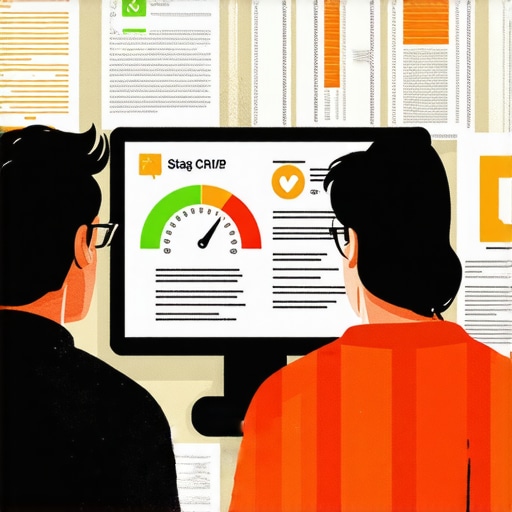
It hit me one morning as I stared at my credit report, frustration bubbling. I’d been meticulously paying every bill on time, yet my credit score refused to climb. No missed payments, no new debt, just this stubborn plateau. I felt stuck, wondering where I was going wrong. That lightbulb moment? Realizing that paying on time isn’t the whole story—and understanding why my credit could still be frozen at a certain point.
Breaking Through the Credit Plateaus
As someone who’s been down this road, I know the feeling: you follow all the “rules,” but your score seems to hit a wall. Turns out, there are often overlooked errors or disputes lurking in your credit report that prevent your score from rising, despite your responsible habits. These little inaccuracies might be as simple as outdated information or wrongly reported payments, yet their impact can be surprisingly large.
Many people don’t realize that your credit score isn’t just a reflection of your past behavior; it’s also heavily influenced by the cleanliness and accuracy of your credit report. Small errors, outdated data, or disputed accounts left unresolved can stagnate your score even when you’re doing everything right.
In my early days, I made a critical mistake—ignoring those tiny discrepancies that seemed insignificant. Later, I discovered that properly disputing errors can make a noticeable difference—sometimes elevating scores by dozens of points. If you’re like me, you might be unintentionally leaving potential points on the table.
Interested in cracking the code on your stagnant credit? I’ll guide you through proven strategies that helped me move past the deadlock. The key is understanding and correcting errors that are quietly holding you back, which you can learn more about in our detailed guide on [dispute errors to boost your credit](https://creditclaritys.com/credit-repair-tips-correcting-dispute-errors-effectively). Remember, even tiny inaccuracies can keep your score from reaching new heights.
Ready to find out what’s really holding your credit back? Let’s dive into the specific mistakes and ways to fix them, so you can finally see the progress you’ve been working toward.
Identify and Review Your Credit Report Thoroughly
Begin by obtaining a free copy of your credit report from each of the major bureaus—Experian, TransUnion, and Equifax. Carefully scrutinize every detail for inaccuracies such as outdated information, wrong balances, or duplicated accounts. Take note of anything that seems off, as these errors can silently drag your score down.
During my first audit, I noticed a medical collection listed twice with different dates. It was confusing, but I knew I had to address it. Download your reports from credit agencies and mark discrepancies. Remember, errors can impact your FICO score significantly, and correcting them is a crucial step in credit repair.
Gather Evidence to Support Your Dispute
Once you’ve identified inaccuracies, collect supporting documents—bank statements, payment receipts, or correspondence—that prove your case. For example, if a debt was paid but still appears unpaid, gather proof of payment. Strong evidence increases your chances of convincing the bureaus to correct or delete incorrect entries.
Earlier, I disputed a paid collection by submitting bank logs showing the cleared balance. This personal experience showed me the power of solid evidence in dispute processes and improving your score fast.
Initiate Disputes with the Credit Bureaus
Next, file disputes either online or via certified mail with each bureau reporting the errors. Clearly explain the discrepancy, referencing your evidence. Use dispute templates or guides from credit repair tips to ensure your claims are well-structured.
When I disputed an outdated address, I included a copy of my driver’s license and utility bill. This method is similar to what I do in error resolution strategies. Be persistent—sometimes, multiple follow-ups are necessary to see results.
Monitor and Confirm Corrections
After submitting disputes, keep a close eye on your reports. According to dispute resolution guides, bureaus typically have 30 days to respond. Once an error is corrected or deleted, verify that the change is reflected across all reports.
In my case, I checked back three weeks later to confirm a removed collection — it was a relief that boosted my FICO score by several points. Regular monitoring using free tools ensures that corrections stick and helps you catch any new issues early.
Build a Clean Credit Profile Moving Forward
Fixing errors is a foundation, but maintaining accurate data is equally vital. Practice responsible credit habits: pay bills on time, keep utilization low, and avoid unnecessary inquiries. Strengthening your profile ensures that your score reflects your genuine creditworthiness, ultimately opening doors to better financial opportunities.
By systematically disputing errors and building from a clean slate, I saw my credit improve steadily. If you need tailored advice, consider reaching out to experts through our contact page or exploring strategies in credit building guides.
Many believe that fixing credit disputes is simply about matching the reported debt with proof of payment, but the reality is far more nuanced. A common misconception is that correcting a dispute instantly boosts your score, yet experts warn that the timing and method of dispute resolution can significantly influence the outcome. Rushing into disputes without a clear strategy might actually backfire, especially if you don’t understand how the bureaus process your claims or the importance of comprehensive documentation.
One trap I often see people fall into is focusing solely on removing negative items rather than enhancing the accuracy of their entire report. While erasing errors is vital, neglecting to improve your overall credit profile—such as by optimizing your credit mix or reducing utilization—can limit gains. Additionally, many assume that all disputes are equal, but disputing legitimate accounts or attempting to game the system with unnecessary claims can cause your reputation with bureaus to suffer, potentially making future corrections more difficult.
Are all disputes created equal, and can overly aggressive disputes harm your credit profile?
Here’s a hidden nuance: frequent or frivolous disputes may flag your account for review and, paradoxically, cause temporary score dips. Credit bureaus tend to scrutinize accounts that exhibit suspicious activity, which might include numerous disputes over small errors. A comprehensive approach involves not just cleaning up inaccuracies but also maintaining a credible, consistent dispute history. This balance helps ensure your efforts don’t inadvertently damage your credit score in the long run.
Furthermore, the legal aspect is often overlooked. Disputes based on false claims or unsupported evidence can lead to penalties or investigations, especially if creditors or bureaus suspect fraud. So, always ensure your evidence is clear, relevant, and legally sound. Resources like effective dispute strategies highlight that understanding the nuances in dispute methodology is key to sustainable credit repair.
Another advanced mistake is ignoring the importance of timing. Disputes filed immediately after a major credit event may be disregarded or delayed, and repetitive disputes without new grounds can be refused or result in account flags. Knowing when and how to escalate or follow-up can make all the difference, which is why staying informed with expert insights is crucial. For a detailed breakdown on how to optimize your dispute process, check out this comprehensive guide.
Remember, credit repair isn’t just about clearing errors—it’s an intricate dance of accuracy, timing, and credibility that influences your FICO score. So, next time you’re tempted to dispute every entry, pause and strategize. Strengthening your credit profile entails more than just fixing mistakes; it requires mastering the subtleties behind the scenes. Have you ever fallen into this trap? Let me know in the comments.
Keep Your Credit Improvement Momentum Going
Once you’ve begun correcting errors and building a strong credit profile, maintaining this progress requires consistent effort and the right tools. I personally rely on specialized software like SkyCap, which helps monitor your credit report changes in real-time, alerting you immediately to any discrepancies or new inquiries. This proactive approach allows me to address issues before they impact my FICO score significantly.
Another essential tool I use is Credit Karma’s monitoring service, which provides a free, user-friendly dashboard to track both your credit score and report. The real value lies in its alerts system, notifying you of any updates or potential fraud attempts. Regularly reviewing your report through these platforms ensures you stay on top of your credit health, especially as credit bureaus continually update their data.
For managing disputes efficiently, I recommend using DocuSign to send certified disputes electronically. This not only speeds up the process but also provides proof of submission and receipt, which is crucial if a dispute escalates. Coupled with a comprehensive documentation log, such as a spreadsheet tracking all correspondence and evidence, you can build a robust case that holds up in any dispute resolution scenario.
Future Trends in Credit Maintenance Tools
Looking ahead, I predict the integration of artificial intelligence will make credit monitoring even more personalized and predictive. AI-driven analytics could alert you not only to errors but also suggest proactive steps tailored to your financial profile—such as optimal times to request credit limit increases or strategic debt payments.
Additionally, advancements in blockchain technology might soon enable more transparent and tamper-proof credit histories, reducing the prevalence of errors and disputes altogether. Staying informed about these trends allows you to adopt new tools early, giving you an edge in maintaining and boosting your credit score over the long term.
How do I maintain my credit repair gains over time?
Consistency is key. Make it a habit to review your credit report at least quarterly using reliable tools like those mentioned. Keep an eye on your credit utilization—the importance of which is highlighted in FICO insights. Regular payments, low credit utilization, and prompt dispute resolution of any inaccuracies will ensure your score continues to climb.
Don’t forget to update your personal information and authorize reporting of additional accounts like rent or utility payments to extend your credit profile. For a detailed step-by-step on maintaining your credit repair results, explore our comprehensive blueprint guide.
Finally, stay engaged with your credit profile by leveraging credit building strategies, such as secured cards or credit-builder loans, and avoid risky behaviors like missed payments or unnecessary hard inquiries. Consistent, mindful management ensures that the time and effort you’ve invested in your credit repair continue to pay off for years to come.

What I Wish I Knew When I Started Fixing My Credit
Early in my journey, I overlooked the power of detailed report reviews. Spotting tiny errors like outdated addresses or duplicated accounts can be a game-changer, often leading to score jumps of dozens of points. I also learned that not all disputes are created equal; rushing into claims without solid evidence can be counterproductive and even harm your credibility with bureaus. Lastly, understanding that timing and credibility matter—filing disputes at the right moment and maintaining a clean dispute record has helped me sustain long-term improvements in my credit profile.
My Essential Tools for Navigating Credit Repair Successfully
I trust [Credit Karma](https://creditclaritys.com/contact-us-2) for its user-friendly interface and real-time alerts that keep me informed of changes. For dispute management, I rely on [DocuSign](https://creditclaritys.com/contact-us) to securely send certified disputes, ensuring my evidence is organized and verifiable. To stay ahead, I use [SkyCap](https://creditclaritys.com/credit-repair-secrets-how-to-resolve-disputes-and-elevate-your-credit-standing) for monitoring and quickly addressing any discrepancies. These tools have been invaluable in maintaining and building my credit health efficiently.
Believe in Your Power to Transform Your Credit Future
Your journey to better credit is uniquely yours, filled with lessons and small wins. Embrace the process, apply strategic dispute practices, and stay vigilant with ongoing report monitoring. Remember, mastering credit repair isn’t just about fixing errors—it’s about reclaiming control of your financial future and gaining peace of mind. You’re capable of turning your credit around—start today, and let your commitment lead the way!