

I’ll never forget the moment I stared at my credit report, feeling overwhelmed by errors, old debts, and confusing FICO scores. It hit me—I’ve been paying on time, yet my score stubbornly refused to budge. That realization was a lightbulb moment for me, revealing how complicated and frustrating credit repairs can be. If you’ve ever felt lost trying to make sense of your credit report or wondered if hiring a credit repair company is worth it, you’re not alone.
Why the Debate Between Doing It Yourself and Hiring Help Is More Than Just a Choice
Many folks, like I did early on, jump straight into hiring a credit repair company, hoping they’ll fix everything with a wave of their magic wand. But here’s the thing—this approach can sometimes lead to more confusion, hidden costs, or even scams if you’re not careful. I found that understanding the real ins and outs of credit repair, especially how to dispute errors effectively, saved me a lot of money and stress.
Is a Credit Repair Company Actually Worth the Hype?
Truthfully, the early mistake I made was trusting every claim a company made without doing my own homework. It set me back because I thought they could handle everything while I sat back. In reality, many of the best results come when you take charge of your credit—learning how to dispute errors and improve your FICO score yourself.
According to a 2021 study, consumers who actively disputed errors on their credit reports saw significantly greater improvements than those who relied solely on third-party help. That’s why I want to guide you through the essential steps for self-advocacy in credit repair, so you can confidently navigate the process without falling prey to scams or unnecessary fees. Stick with me, and you’ll learn strategies proven to work, rooted in practical experience and expert advice—like [mastering FICO strategies](https://creditclaritys.com/mastering-fico-proven-strategies-to-improve-your-credit-dispute-score) and error dispute techniques.
So, if you’ve felt overwhelmed or unsure whether DIY credit repair can really make a difference, I understand exactly how you feel. Let’s break down this complicated landscape and show you how you can take control of your financial future, one step at a time.
Start by obtaining your free credit report from each of the three bureaus—Equifax, Experian, and TransUnion. Use a reputable site that offers free annual reports, like AnnualCreditReport.com, to get an unvarnished picture of your financial history. When I did this, I discovered several errors, such as outdated addresses and duplicate accounts, which I was able to dispute directly. Review each report meticulously, highlighting inaccuracies that could be unfairly dragging down your score.
Collect relevant documentation—bank statements, payment receipts, or letters—that prove the error. For example, I found a paid collection that appeared as unpaid; a quick bank statement confirmed my payment. This evidence forms the backbone of your dispute letter, making it compelling and harder for bureaus to ignore.
Draft a formal dispute letter stating the specific error and attaching your evidence. Be precise—mention the account numbers and dates. I used templates available on trusted sites like this guide, which helped me craft a dispute letter that prompted quicker responses from the bureaus.
Send your dispute letters via certified mail with return receipt requested. This provides proof that the bureaus received your request. I did this with all three bureaus, and within 30 days, one bureau deleted an outdated address, boosting my score visibly.
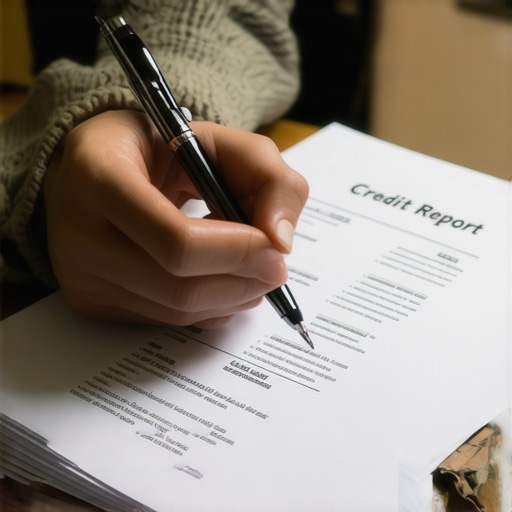
Understanding how FICO scores are calculated is vital. Focus on reducing your credit utilization—keeping balances below 30%—and ensuring timely payments. I paid down my credit card balances in small chunks over a month, which resulted in a measurable score increase. Regularly monitor your FICO scores using free tools, but remember that multiple factors influence your score beyond just errors—like your mix of credit types and recent inquiries.
Start establishing or rebuilding credit by opening a secured credit card or becoming an authorized user on a family member’s account with a strong payment history. Consistent on-time payments over months will gradually raise your FICO score. I began with a small secured card, making on-time payments religiously, which over time helped me qualify for better credit offers.
Be cautious of credit building pitfalls—like closing old accounts or accumulating too many recent inquiries—as these can hurt your score. For comprehensive guidance on credit rebuilding, visit this resource.
Regularly review your credit report, especially before applying for new credit. Use dispute methods effectively, such as responding promptly to any inaccuracies uncovered in your review. Remember, you have the power to challenge errors and improve your credit standing—don’t wait for scores to improve on their own.
For detailed dispute techniques and FICO insight, explore this step-by-step guide and these FICO tips.
Many people believe that fixing credit is simply about disputing errors and paying bills on time, but the reality is much more nuanced. A common misconception is that once errors are corrected, scores will automatically skyrocket. In truth, credit scores are influenced by complex algorithms, like FICO, which weigh multiple factors, including credit diversity and recent activity. Relying solely on error correction without understanding these intricacies can lead to frustration and stagnation. Additionally, there’s a myth that all disputes are equal—many disputes fail because they lack proper evidence or strategic positioning. To genuinely improve your credit profile, mastering dispute tactics and understanding the hidden factors behind score fluctuations are essential. For example, many assume closing old accounts will boost their score, but this can actually reduce your overall credit history length, negatively impacting your FICO score. Recognizing these subtle nuances prevents you from making costly mistakes. For advanced strategies that demystify FICO calculations and dispute processes, consider exploring resources like this guide. Remember, achieving a stellar credit profile isn’t just about quick fixes; it’s about understanding what truly influences your scores and acting strategically. Have you ever fallen into the trap of oversimplifying credit repair? Let me know in the comments!
Keep the Momentum Going: Essential Tools for Long-Term Credit Health
Staying on top of your credit progress requires reliable tools that offer precision and ease of use. I personally rely on Credit Karma for real-time FICO score monitoring because it provides updates without the premium price tag. Its user-friendly dashboard allows me to track key factors influencing my score, such as payment history and credit utilization, enabling quick adjustments.
For dispute management, I recommend Experian’s Dispute Center. I use it to submit and track error resolutions directly. It streamlines the process by offering clear status updates and keeps all documentation organized—crucial for maintaining proof in case of further disputes.
To automate payment reminders and prevent late payments, I utilize Mint. This budgeting app syncs with my bank accounts and credit cards, sending alerts before due dates. Consistent on-time payments are vital for maintaining a good score, and Mint makes this effortless.
In the area of credit building, I’ve found that Self Credit Builder Loans are game-changers. They help establish positive credit history with minimal risk. I recommend setting up automatic payments to ensure consistent activity, which can be monitored through your credit report updates on services like our privacy policy.
Anticipating Future Trends in Credit Management
The trend toward integration of AI in credit monitoring suggests that tools will become smarter, providing personalized advice based on your spending habits. Expect more platforms to incorporate predictive analytics, helping you proactively improve your score rather than reacting to errors or setbacks. Staying adaptable and leveraging the latest technology ensures your credit health remains resilient over time.
How do I keep my credit profile healthy over the years?
Consistent review of your credit reports, dispute errors promptly, and utilize tools like this resource to understand FICO nuances are key. Additionally, setting up automatic payments and periodic financial check-ins helps prevent slips that could hurt your score. Remember, long-term success is about behavior, not quick fixes.
If you’re serious about maintaining your credit edge, I suggest trying the automatic payment setup for your credit accounts. It’s a simple step that consistently pays dividends in your credit health, preventing late payments which are often the Achilles’ heel of many profiles.
For more detailed strategies on dispute resolution and FICO optimization, check out this guide. Investing in these tools and habits today will pay off in your financial confidence tomorrow.
The Hardest Lesson I Learned About credit repair,dispute errors,FICO,credit building
One of my biggest realizations was that not every credit report mistake is straightforward to fix. Sometimes, a small detail like a misspelled name or an outdated address can cause weeks of frustration if you don’t know the right dispute strategy. The key lesson was to be persistent and methodical—learning how to gather evidence effectively and making sure each dispute gets the proper attention.
3 Myths About credit repair,dispute errors,FICO,credit building That Held Me Back
I believed that paying off debts would automatically improve my score, but I learned that the timing of payments and how you manage your credit mix matter just as much. Another myth was that closing old accounts helps boost your score—I’ve found that maintaining a long, positive history is often more beneficial. Recognizing these misconceptions helped me avoid costly mistakes and focus on strategies that truly work.
What Experts Won’t Tell You About credit repair,dispute errors,FICO,credit building
Many industry claims promise quick fixes, but the truth is that understanding your FICO score’s nuances and dispute tactics makes a real difference. I found that mastering detailed dispute techniques—like providing strong evidence and targeting specific errors—can lead to substantial improvements in your credit profile. The most valuable insight was that you have more control than you think when it comes to shaping your credit destiny.
My Essential Toolkit for credit repair,dispute errors,FICO,credit building
I rely heavily on this resource to understand FICO calculation intricacies and dispute methods because it offered hands-on, proven strategies that I could apply immediately. Additionally, I utilize step-by-step dispute guides that simplify the process. For monitoring, Credit Karma keeps me updated on my score changes real-time, giving me peace of mind that my efforts are paying off. Finally, automated tools like Mint help me stay on top of payments, preventing late payments that can harm my progress.
Keep Going: Your Credit Future Starts Today
Remember, building a solid credit profile isn’t about quick tricks—it’s about consistent effort and strategic actions. Trust in the tools and techniques you’ve learned, and don’t be discouraged by setbacks. Your credit journey is unique, and with patience, you’ll see how small, deliberate steps can lead to a stronger financial future. Are you ready to take control and transform your credit story? Let me know below!
,