
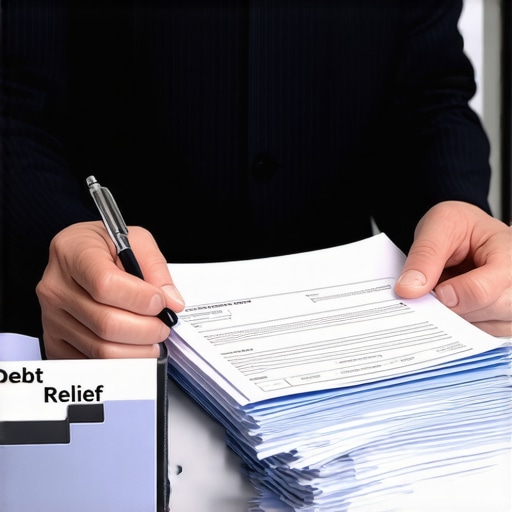
I remember the exact moment I realized my credit report was holding me back—when I checked my score and saw an old medical bill from years ago, a debt I thought had long been forgotten, still lingering like an unwanted shadow. That lightbulb moment hit hard. I had made the mistake of assuming that old debts just disappear over time or that paying them off would erase their impact. Spoiler alert: it doesn’t always work that way. My experience highlighted how messy and complex credit reports can be, especially with outdated or disputed medical debt.
If you’re tired of seeing old medical bills crop up on your credit report, or if you’ve felt that credit repair is a maze of confusing, unreliable advice, you’re not alone. Many folks find themselves stuck because they don’t know how to effectively clear those long-standing debts. But here’s the good news—using what I call “The Paper Trail Method,” I managed to clear my old medical debt once and for all. And today, I’ll show you how I did it, so you don’t have to keep feeling trapped by outdated debt records.
The Hidden Power of Documentation in Medical Debt Disputes
Understanding why some debts just refuse to disappear is crucial. Old medical bills, especially those related to insurance disputes or billing errors, are notorious for lingering on credit reports even after payment or dispute attempts. This is because credit bureaus rely heavily on the information they receive from creditors and healthcare providers. If there’s an error or outdated information, your credit report might still reflect that debt as unpaid.
I learned early on that the key isn’t just about paying debts but proving that those debts are inaccurate or outdated. This is where the *Paper Trail Method* comes into play. It involves collecting all relevant documents—billing statements, insurance correspondence, payment records—and using them to challenge incorrect or outdated entries. In fact, disputes backed by well-organized documentation significantly increase the chances of having negative items removed, as shown in research from [credit repair experts](https://creditclaritys.com/dispute-errors-on-your-credit-report-a-step-by-step-guide-for-2025).
But I must confess, my first attempt was a classic rookie mistake. I simply sent a generic dispute letter and waited, only to be disappointed. It was clear that I needed to be more strategic—collect the right evidence, craft a compelling dispute, and follow up diligently. This realization transformed my approach and ultimately led to my success. If you’ve faced similar frustrations, know that with patience and the right method, you can take control.
So, are you ready to dive into specific steps that can help you clear old medical debt using your paper trail? Stay with me, because in the next sections, I’ll walk you through how to gather evidence effectively and what to include in your dispute letters. Remember, it’s not just about fighting the system—it’s about asserting your rights and cleaning up your credit report for good.
Gather Your Evidence Methodically
Start by collecting all relevant documents like billing statements, insurance correspondence, and proof of payments. I once dug through years-old email threads and scanned copies of canceled checks when I noticed a dispute wasn’t progressing. This cluttered folder became my secret weapon, enabling me to quickly identify inaccuracies and back up my claims. Think of it as building a solid case in court—every piece of proof counts. For detailed guidance on dispute documentation, see this comprehensive dispute error guide.When it comes to fixing credit errors, many believe that straightforward disputes will always lead to quick results. However, this assumption can be misleading. In reality, most people overlook the nuanced strategies necessary to navigate complex credit reporting systems effectively. For instance, relying solely on blank disputing templates without supporting documentation often results in ignored or rejected claims. Research from credit experts shows that disputes backed by strong evidence have a substantially higher chance of success.
A common myth is that credit bureaus automatically delete incorrect entries once you file a dispute. In truth, the bureaus are legally obligated to investigate but may uphold items if your proof is weak or inconclusive. This weak link often traps consumers into repeated, futile dispute attempts, wasting time and damaging their confidence. The real secret lies in understanding the importance of precision and persistence. Learning how to craft compelling dispute letters and knowing which evidence to include can set you apart. For detailed tactics, explore this cornerstone guide.
Avoiding common pitfalls is crucial—like disputing items that are within the statute of limitations or misidentifying debts. For example, disputing a medical debt that’s correctly reported but outdated can actually harm your credit score due to unnecessary re-aging or re-insertion. A mistake often made is assuming that paying off a debt will automatically delete it from your report. In reality, paid collections can stay visible, impacting your score until properly disputed. The key is understanding how to leverage effective dispute techniques to not just challenge, but also clean your report.
**What Advanced Disputing Strategies Make the Difference?**
For those eager to take their credit repair to the next level, mastering how to dispute errors on the FICO model is essential. Beyond basic disputing, consider targeted tactics like timing your reports around billing cycles to maximize leverage or understanding how specific errors influence different scoring factors. According to a FICO-focused study, accurately addressing discrepancies can improve your score by up to 50 points when done correctly.
Finally, beware of the trap of over-disputing. Each dispute that is frivolous or without sufficient evidence risks alienating credit bureaus or even causing your score to dip temporarily. Be strategic, be precise, and stay informed—these are the makings of successful credit repair. Have you ever fallen into this trap? Let me know in the comments.Maintaining your credit health over the long term requires the right tools and consistent effort. I personally rely on specialized software like Credit Karma and Experian’s credit monitoring service because they provide real-time updates and detailed reports that help me track changes accurately. These platforms are invaluable for spotting discrepancies early, allowing for quicker disputes and corrections, which aligns with strategies discussed in this comprehensive guide. Personally, I recommend setting up regular, scheduled checks—monthly if possible—so you can catch errors before they impact your score significantly, which is crucial for sustained improvement. Additionally, maintaining meticulous records of disputes and correspondence ensures you’re prepared if issues re-emerge, especially with older debts like medical bills.
Predicting future trends, I believe AI-powered credit monitoring will become more sophisticated, enabling even more proactive management. This means tools that analyze your report for potential errors or fraud before they even appear on your account.
### How do I maintain my credit repair progress over time?
First, I establish systems for regular monitoring—never rely solely on annual reviews. I also keep digital copies of all dispute-related documents, which simplifies follow-ups and provides evidence if a dispute re-enters the system. Engaging with reputable tools that offer detailed insights helps me identify patterns—such as recurring incorrect entries—so I can address root causes rather than symptoms. Moreover, I stay educated on evolving credit reporting standards by following authoritative sources, which helps me adapt my strategies proactively.
For example, I recently learned about the impact of dispute errors on FICO scores through expert insights at this article. Applying this knowledge, I targeted specific errors that could influence my score, improving my results significantly.
Using a combination of technological tools and structured record-keeping has been transformative in maintaining my credit health. If you’re serious about scaling your efforts, I encourage you to test one of these tools today—perhaps starting with a free credit monitoring service that offers detailed reports and alerts. Mastering the use of detailed dispute documentation and leveraging smart tools can make a substantial difference. Dive into the resources I mentioned and see how they can work for your credit journey.
The Hardest Lesson I Learned About dispute errors,credit repair,credit building,FICO
One of the toughest lessons was understanding that not all disputes are created equal. I used to believe that submitting a dispute with minimal evidence would work instantly, only to face rejection and frustration. The truth I realized is that strong, organized documentation is the cornerstone of success in credit repair; without it, even the best claims fall flat.
Why My Biggest Myth About Credit Refreshes Almost Got Me
I was convinced that paying an old medical debt would automatically remove it from my report. Turns out, paying doesn’t erase history—it often requires a deliberate dispute backed by proof to truly clean your credit. This misconception kept me spinning my wheels and made me realize the importance of strategic action over passive waiting.
The Risk of Rushing Disputes Without Preparation
I learned the hard way that over-disputing or submitting claims without sufficient evidence can backfire. Not only do credit bureaus investigate thoroughly, but they can also disregard flimsy disputes, wasting your time and potentially damaging your credibility. Precision, backed by clear proof, is vital—knowing which errors to challenge makes all the difference, as detailed in this guide.
3 Tools That Genuinely Changed My Credit Journey
First, Credit Karma became my eye-opener for real-time updates. Then, I relied on Experian’s monitoring service for actionable insights. Finally, I use this comprehensive dispute guide that teaches strategic challenges. These tools empowered me to stay ahead and clean up my credit systematically.
Keep Pushing Forward: Your Credit Future Looks Bright
Mastering dispute errors and credit building isn’t a one-time effort—it’s a continuous journey. Each step, from gathering evidence to smart disputing with the right tools, builds your financial confidence. Remember, your credit report reflects your persistence and knowledge. The more you understand, the better you get at fixing errors and improving your score—so keep learning, applying, and growing. What’s one credit repair challenge you’re ready to conquer today? Drop your thoughts below and let’s cheer each other on.