
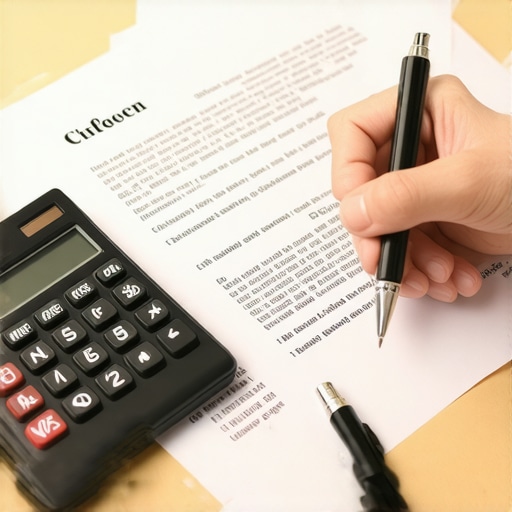
I remember sitting at my kitchen table, stacks of confusing, outdated credit reports spread out before me. My heart raced as I realized that some of the negative marks dragging down my score were actually mistakes—mistakes I could challenge, if only I had the right tools. That lightbulb moment hit me hard: I was missing a crucial part of the puzzle—the Document Checklist for my first credit dispute. Without it, I was wandering in the dark, unsure of what evidence to gather, risking rejection at every turn.
The Hidden Power of a Well-Prepared Dispute Package
Imagine wasting hours writing dispute letters only to be met with silence or rejection. Over time, I learned that the key to success isn’t just about knowing what to dispute, but about having **the right documentation** at your fingertips. A comprehensive document checklist acts as your blueprint, ensuring you gather all necessary proof—credit reports, account statements, or letters from creditors—that substantiate your case.
This isn’t just theory. Proper preparation dramatically improves your chances of clearing errors, which can boost your FICO score by hundreds of points. Some errors, if unchallenged, can remain for years and cause unnecessary financial setbacks. I want to help you avoid my rookie mistake of overlooking crucial evidence—trust me, it’s a costly oversight.
Whether you’re just starting out or already deep into credit repair, having a clear, organized **Document Checklist** is your secret weapon. It transforms the dispute process from a chaotic scramble into a systematic, confident effort. For a step-by-step guide on building your dispute arsenal, check out [this helpful resource](https://creditclaritys.com/credit-repair-secrets-how-to-resolve-disputes-and-elevate-your-credit-standing).
So, do you find yourself overwhelmed by the idea of gathering proof? Or have you ever sent a dispute only to wonder if you included everything? You’re not alone. Many face this challenge, but with the right checklist, you’ll be one step closer to fixing your credit with ease.
Now, let’s dive into what exactly should be on your document checklist—and how to compile it so you’re ready to tackle any credit error head-on.
Gather Your Essential Evidence Quickly
Start by collecting your recent credit reports from AnnualCreditReport.com to identify disputed entries. Cross-reference these with bank statements, loan documents, and any correspondence with creditors that support your claim. Think of this step as assembling your toolbox before fixing a leaky pipe—every tool matters.
Next, request account histories from lenders—many have online portals, or you can call directly. Save PDFs and screenshots of your communication logs and payment records. Remember, the more concrete your evidence, the stronger your case when disputing errors.
Organize Your Proof Like a Pro
Create a dedicated folder, either digitally or physically, labeled with each error you’re challenging. Use subfolders for documents like bank statements, settlement letters, or emails. This organization isn’t just tidy; it ensures you won’t overlook any vital proof during the dispute process, similar to how a chef lines up ingredients before cooking.
For example, I once challenged a missed payment notation. I gathered bank statements showing timely payments, email exchanges, and the original bill. By organizing these, I could quickly present my case, leading to a swift correction. This approach saves time and reduces frustration, especially when disputes drag on.
Draft Clear, Evidence-Based Dispute Letters
With your documents in hand, craft dispute letters that are concise and focused. Clearly state the item you’re disputing, why you believe it’s inaccurate, and reference your attached evidence. Use bullet points for clarity, and include your credit report and account numbers for easy reference.
Keep your tone professional but firm. For instance, mention, “As evidenced by the attached bank statement dated MM/DD/YYYY, my payment was made timely, contradicting the reported late payment.” This specificity makes your dispute hard to ignore.
Leverage Resources and Templates
Templates can streamline your process. Check out this resource for customizable dispute letter samples. Personalize them with your details and evidence, ensuring each letter aligns with your unique situation.
Remember, automated systems often filter out generic requests. Your evidence-backed, well-structured letter stands a better chance of catching the bureau’s attention and leading to corrections, similar to how a well-researched legal brief wins cases.
Set Deadlines and Track Everything
Send your disputes via certified mail or through secure online portals, and keep copies of everything. Note the date sent, expected response time (usually 30 days), and follow up if needed. Use a spreadsheet to record each claim, response, and outcome. This tracking is like having GPS; it guides you through the dispute process efficiently and flags any delays or overlooked errors.
My own experience involved tracking multiple disputes simultaneously. Staying organized allowed me to respond promptly to bureau requests, preventing unnecessary setbacks. Over time, this meticulous approach significantly improved my credit profile.
Use Dispute Strategies to Maximize Accuracy
Don’t hesitate to challenge outdated, inaccurate, or unverifiable info. Some errors may seem minor but can affect your FICO score—imagine small cracks in a dam that threaten a flood. Addressing these cracks promptly helps maintain your financial health.
For ongoing disputes or complex cases, consider consulting expert strategies for dispute resolution. The goal is to turn your organized evidence into a compelling narrative that persuades the credit bureaus to correct your records, ultimately boosting your score.
Many believe that simply paying bills on time or reducing debt instantly boosts credit scores, but this is a common myth. In reality, credit building and repair involve nuanced factors that many overlook. For example, regular credit usage and maintaining a healthy mix of accounts can significantly influence your score—more than just being current on payments. Additionally, some assume that disputing every mistake will automatically improve their credit; however, without understanding which errors truly impact FICO scores, efforts may be wasted. An advanced mistake to avoid is neglecting the long-term effects of account age and credit utilization, which experts highlight as critical components in scoring algorithms. According to FICO insights, rapid score changes can also occur from minor updates like credit inquiries or changes in your account mix—so monitoring these subtle shifts is essential for precise credit management. Networking with experienced professionals or studying comprehensive resources, such as [this guide](https://creditclaritys.com/credit-repair-secrets-how-to-resolve-disputes-and-elevate-your-credit-standing), can help you navigate the complexities that most people miss. Have you ever fallen into this trap? Let me know in the comments.Once you’ve gone through the meticulous process of identifying and disputing errors on your credit report, the real challenge begins: keeping everything in check over the long haul. To stay on top of your credit health, I rely on a set of proven tools and strategies that streamline the monitoring process and ensure sustained results.
First, I swear by **Experian’s CreditWorks Premium**, not just because it provides real-time alerts but because it allows me to set customized notifications for any significant changes in my report. This proactive approach catches suspicious activities or inadvertent errors early, giving me a chance to resolve issues before they impact my score. Plus, their detailed reporting helps me understand how each action influences my FICO score, aligning with insights from [FICO’s official guidelines](https://creditclaritys.com/fico-insights-how-dispute-errors-affect-your-score-and-what-to-do).
Another tool I recommend is **Credit Karma**, which, despite being free, offers a surprisingly comprehensive overview of your credit status. What sets it apart is the user-friendly interface and educational resources that help interpret score fluctuations. Nonetheless, it’s crucial to remember that credit monitoring services vary widely, and premium options like **MyFICO** provide the most accurate data for making long-term decisions.
Beyond digital tools, I emphasize the importance of maintaining a **spreadsheet tracking disputes and credit activities**. Manually logging dates, outcomes, and supporting evidence keeps me organized and prevents repetitive disputes, especially when dealing with complex errors or changes. This habit is especially useful when planning credit building moves, like applying for new credit or requesting a score review.
Looking forward, I predict that automation and AI-driven monitoring systems will become more sophisticated, potentially offering predictive analytics that advise preemptive credit actions. Staying adaptable and leveraging these emerging technologies can protect your credit profile even more effectively.
### How do I keep my credit in top shape over years?
The key is consistency—regularly reviewing your credit reports, updating your dispute evidence, and adjusting your strategy based on the score trends. For example, if you notice frequent dips after inquiries, I recommend limiting new credit applications temporarily. You might also consider adding verified authorized users to your accounts to boost your payment history without increased risk.
For those serious about proactive management, integrating tools like **Credit Sesame** or **WalletHub** can augment your oversight. They offer free credit score tracking combined with daily monitoring alerts, which are invaluable for detecting subtle shifts that impact your FICO score. Remember, mastering these tools and habits can significantly reduce the need for repetitive disputes, making your credit journey both smoother and faster.
Don’t forget to check out this step-by-step guide to **monitoring and maintaining your credit effectively**—it has helped many to stay focused and in control of their financial future: [here](https://creditclaritys.com/credit-repair-tips-correcting-dispute-errors-effectively).
As a practical tip, try setting up alerts on your preferred credit monitoring tool today and see how early warning signs help you catch errors before they escalate. Small yet consistent efforts like this will keep your credit profile resilient, ensuring that all your hard work in repairing errors continues to pay off over time.
What I Wish I Knew Before Jumping Into Credit Disputes
One of the biggest lessons I learned was the importance of patience. Rushing through disputes without thorough documentation often led to rejections or incomplete fixes. Also, I discovered that not all errors impact my FICO score equally; some warrant more effort than others. The most overlooked insight was the power of a meticulously organized evidence pack—small details that made a huge difference in my credit healing journey.
My Go-To Tools for Credit Building Breakthroughs
I trust this step-by-step dispute guide because it offers proven templates and strategies that keep me organized and confident. Additionally, I rely on FICO-focused resources to understand how small changes influence my score. Lastly, tools like credit monitoring platforms help me stay proactive and responsive.
Embracing the Journey to Financial Confidence
If you’re feeling overwhelmed or unsure about credit repair, remember that every step forward is progress. Building a healthy credit profile isn’t a sprint; it’s a marathon that requires persistence and smart strategies. Embrace the process, celebrate small wins, and keep learning. Your future self will thank you for taking control today.