

I sat in my driveway for twenty minutes, staring at my phone until the screen dimmed, trying to process why a single 30-day late payment from two years ago just cost me a car loan. It was a stupid mistake—I’d moved houses, a utility bill got buried in a box, and by the time I found it, the damage was done. It felt like a permanent stain on my character, not just a line item on a report. If you have ever felt that gut-punch of being judged for one human slip-up, I’m here to tell you that you don’t have to just ‘wait seven years’ for it to go away. We are going to dive into the goodwill method, a strategy that relies on your humanity rather than legal loopholes.
Stop Letting a Tiny Oversight Sabotage Your Financial Future
The reality is that why your payment history matters more than any other factor is simply because lenders view it as a crystal ball for your future behavior. According to data from FICO, a single 30-day late payment can knock as much as 100 points off a high credit score—a staggering penalty for forgetting a due date once. I learned this the hard way when I first started my credit journey. Back then, I thought I could just bully the bureaus. I sent a series of angry, templated letters claiming I’d never missed a payment, even though I knew I had. Not only did it fail, but it also made it much harder to get a real person to listen to me later. It was a classic case of doing things the wrong way before I finally discovered the right way to write a goodwill letter to a creditor. Today, I want to save you that headache and show you how to actually appeal to the person on the other side of the desk. Have you ever tried calling a creditor only to be shut down immediately? Share your story in the comments, because knowing which banks are ‘goodwill-friendly’ helps the whole neighborhood.
Does Sending a Letter Actually Move the Needle?
Many people are skeptical—and I get it. We live in an automated world where ‘the computer says no’ is the standard response. You might think, ‘Why would a multi-billion dollar bank care about my excuses?’ The truth is, they don’t care about the excuses, but they do care about customer retention and their brand reputation. While some situations require the evidence required to delete an incorrect late payment, a goodwill request is different. It’s about building a bridge. I’ve seen this work for people with everything from missed credit card payments to late student loan entries. We aren’t disputing facts; we are asking for a favor based on a stellar track record. It takes persistence, a stamp, and the right tone, which is exactly what we’re going to break down next.
Find the Human Behind the Automated Desk
To get a late payment removed, you have to stop thinking like a lawyer and start thinking like a diplomat. Most people fail because they send their request to the same massive processing center that handles millions of billing statements. It is like trying to convince a vending machine to give you a free soda—it is literally not programmed to say yes. Instead, you need to find the person who has the authority to override the system. I recommend searching for the Head of Customer Experience or the VP of Consumer Lending on professional networks. Before you even pick up a pen, gather your records using the document checklist for your first credit dispute just to ensure you have the account numbers and dates exactly right. When I was trying to fix an old department store card error, I ignored the address on my statement and mailed my letter directly to the executive office in Cincinnati. Two weeks later, I got a personal phone call rather than a form letter. 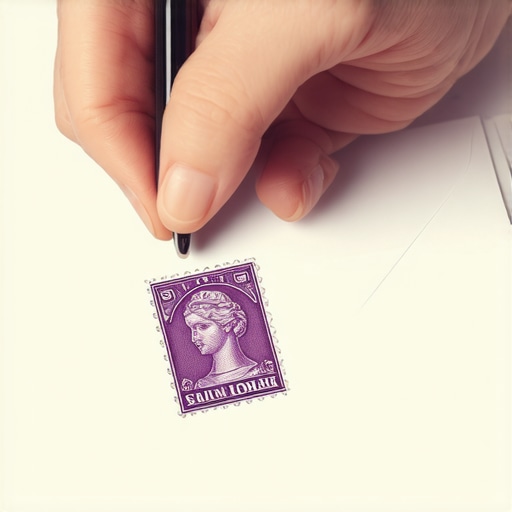
Tell a Story That Makes Them Want to Help You
Your letter shouldn’t be a list of demands; it should be a narrative. Banks are used to being yelled at, so a humble, honest approach stands out. Think of it as explaining to a teacher why you missed an assignment rather than arguing about the grade. You need to acknowledge the mistake, explain the ‘why’ (job loss, medical emergency, or simply a move), and then highlight your long-term loyalty. If you have been a customer for five years and this is your only slip-up, emphasize that. This isn’t about fico insights how dispute errors affect your score and what to do in a legal sense; it is a request for mercy. Use phrases like ‘as a gesture of goodwill’ and ‘I value our relationship.’ I remember a specific time I helped a friend with this—she had a medical bill go late while she was in the hospital. We didn’t just say she was sick; we sent a copy of the discharge papers. That physical evidence turned a ‘no’ into a ‘yes’ within forty-eight hours because it proved her story was genuine.
The Three-Round Knockout Strategy
Persistence is the engine of credit repair. If the first person says no, do not give up. The ‘no’ usually comes from an entry-level clerk who is just following a script. Wait thirty days and try a different executive. You are essentially looking for the one person having a good day who is willing to click ‘delete’ on your behalf. This is much more effective than when you stop paying old debts before you read this warning or try to force a change through automated portals. While you are waiting for responses, keep your file clean by checking how to fix incorrect employment data on your credit file to ensure everything else is polished. If you want to see a real shift, you must be willing to send three, four, or even five letters. To truly succeed, you must stop sending generic dispute letters if you want real results and customize every single outreach. In my own journey, the third letter was usually the magic one. It shows the creditor you aren’t going away, and often, it’s easier for them to grant the request than to keep processing your mail.
Most advice you find online is dangerously oversimplified. You’ve probably heard that the best thing you can do for a collection is to pay it off immediately. In reality, why paying a collection might actually lower your score is one of the most frustrating nuances of the FICO algorithm. When you pay an old debt that hasn’t been touched in years, the creditor updates the ‘date of last activity.’ To the older FICO models still used by many mortgage lenders, this looks like a brand-new delinquency, potentially dragging your score down even further. Instead of rushing to pay, you need to focus on mastering fico proven strategies to improve your credit dispute score before opening your wallet.
Another trap is the ‘zero balance’ myth. It feels intuitive: no debt equals a perfect score. However, why your 0 balance doesn’t always result in a higher score is due to a phenomenon called ‘no-recent-usage’ penalties. FICO likes to see that you have credit and can manage it responsibly, not that you’ve abandoned it entirely. Have you ever fallen into this trap? Let me know in the comments.
Why Your Bank App Shows a Different Score Than Your Lender
It is a common frustration: you check your banking app, see a 750, and then walk into a car dealership only to be told you’re at a 690. This happens because why your bank app shows a different score than your lender often comes down to the scoring model being used. Most consumer-facing apps use VantageScore, while the vast majority of top lenders still rely on various FICO versions. According to a 2020 whitepaper from FICO, the introduction of the FICO 10T model marks a shift toward ‘trended data,’ meaning your behavior over the last 24 months matters more than a single snapshot in time. 
Finally, never succumb to the urge to ‘clean house’ by shutting down old, unused accounts. I’ve seen people lose forty points overnight because why closing an old account is usually a bad idea—it shrinks your average age of accounts and reduces your total available credit. Instead of closing them, use the 2 trick for keeping an old credit card active to maintain that history without carrying a balance. Successful credit repair isn’t about erasing your past; it’s about strategically managing the specific data points that the algorithms crave. If you want to see real movement, you must stop sending generic dispute letters if you want real results and start addressing these high-level technicalities.
Once you have successfully navigated the immediate fires of late payments and disputes, you need a robust system to keep the engine running. I have found that the biggest mistake people make is stopping the momentum once they hit a decent score. I personally maintain a dedicated, encrypted digital vault for every piece of correspondence with credit bureaus. This isn’t just about being organized; it is about having a ready-to-fire paper trail if a deleted error suddenly resurfaces. I don’t rely on the estimated scores provided by free banking apps because they rarely show the industry-specific versions lenders actually use. If you want to understand the real reason your fico score fluctuates every single week, you have to look at the raw data, not the polished marketing graphs. I advocate for checking your official FICO reports at least quarterly to ensure no ‘zombie’ errors have crawled back onto your file.
Tools That Actually Tell You the Truth
I am often asked if credit repair software is worth the investment. In my experience, most automated programs are simply overpriced letter generators that the bureaus have already learned to flag as ‘frivolous’ because of their identical phrasing. This is the truth about credit repair companies vs doing it yourself: your own custom-written letters carry more weight than a machine-generated template. Instead of software, I recommend a simple spreadsheet to track your statement closing dates. By paying your balance three days before the closing date—rather than the due date—you ensure that your utilization reports at the ideal 1% to 3% range. This habit is the secret to increasing your credit limit without a hard pull, as it signals to the bank’s internal algorithm that you are a low-risk, high-discipline user. 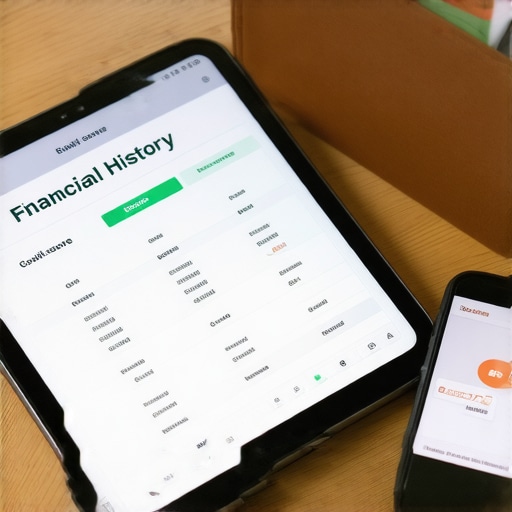
How do I keep my score high without checking it every hour?
Long-term maintenance is about automation, not obsession. I set up ‘significant change’ alerts for any score movement larger than ten points. Even if you have reached your goal, why you need to monitor your credit even with a high score becomes a matter of defense rather than offense. Looking forward, the industry is shifting toward hyper-personalized scoring. According to the FICO 10T Technical Overview, the integration of trended data means that lenders are no longer just looking at where you are today, but whether you are progressively paying down debt or slowly accumulating it over a 24-month window. This shift highlights the difference between fico 8 and fico 10t for new borrowers; your financial ‘trajectory’ is becoming as important as your current standing. If you want to stay ahead of this trend, open your calendar right now and set a recurring six-month reminder to request a soft-pull credit limit increase on your oldest card. This is an advanced move that bakes-in score protection against future high-balance months.
The Hardest Lesson I Learned About FICO Score Stability
Looking back at my own journey, the biggest realization was not about a specific legal code or a magic phrase; it was that the credit system rewards boredom and consistency over sudden bursts of activity. I used to think of credit repair as a one-time event, like fixing a flat tire. In reality, it is more like maintaining a garden. You can pull the weeds of dispute errors once, but if you do not nourish the soil by managing your debt ratios, the weeds will return. I also learned that the bureaus are not actually rooting for you to fail—they just do not care enough to be proactive. You have to be the one holding the clipboard and the pen. One of the most common pitfalls is focusing so much on the negative items that you forget to build positive ones. For instance, how to use a secured card to jumpstart a 700 score is often more effective than just fighting a two-year-old collection. Finally, never underestimate the power of the human element; a polite, personalized letter often bypasses the automated ‘no’ that a generic template triggers.
My Go-To Toolkit for Navigating the Credit Maze
I do not recommend a dozen different apps or expensive monthly subscriptions. Instead, focus on these high-leverage assets. First, always maintain a physical ‘Credit Bible’—a folder containing every certified mail receipt and response. This is essentially the one document that wins almost every credit dispute because it proves the bureaus’ failure to comply with federal timelines. #IMAGE_PLACEHOLDER_E# Second, use a secure, encrypted digital vault for your sensitive PDFs to prevent identity theft. Third, I highly recommend checking the most common errors found on credit reports this month to see if your file matches industry trends. Lastly, stick to your official FICO scores. If you are confused by the numbers, reading about why your fico 8 score is different from fico 10t will save you from the anxiety of seeing different scores in different places.
Your Financial Renaissance Starts with a Single Letter
It is easy to feel defeated when a bureau sends back a form letter saying your claim is ‘frivolous,’ but remember that persistence is your greatest asset. Your financial future is not defined by a mistake you made years ago or an error that some data entry clerk committed. You have the tools, the strategy, and the right to an accurate report. By taking charge of your credit building today, you are opening doors to lower interest rates, better housing, and peace of mind. Don’t be afraid to take that first step, whether it is sending a goodwill letter or finally tackling those dispute errors. Have you ever had a creditor actually listen to your story and remove a late payment? I would love to hear about your experience in the comments below.