
Credit Building & FICO Score Growth: Top Dispute Strategies for 2025
Ever felt that sinking frustration when you check your credit report and see discrepancies that seem impossible to resolve? I remember that lightbulb moment all too well—realizing that those seemingly tiny errors could be silently dragging my credit score down. It’s a gut-wrenching experience, especially when you’re trying to secure a loan or get better interest rates, and it feels like the odds are stacked against you because of something out of your control.
Why Scrutinizing Your Credit Report Is More Crucial Than Ever
In today’s fast-paced financial landscape, your FICO score can make or break your financial opportunities. Yet, many don’t realize how easily errors creep in—mistakes that could be fixed with the right dispute strategies. The reality is, misreported information can falsely lower your score, costing you thousands over time. A study by the Consumer Financial Protection Bureau highlighted that approximately 20% of consumers have errors on their credit reports that could impact their scores—a staggering figure that underscores the importance of vigilance.
Is Disputing Errors Worth the Hassle?
Like many, I was skeptical initially. I thought, “Will disputing really make a difference?” I made a costly mistake early on—assuming that the credit bureaus would automatically correct inaccuracies. That belief set me back months. It wasn’t until I learned proven dispute strategies, such as those detailed on Mastering FICO, that I finally started seeing real improvements. Dispute errors effectively, and you could elevate your score faster than you imagine. This article will walk you through the most effective dispute tactics and how to implement them, so you’re not leaving your financial future to chance.
Identify and Gather Your Documents Carefully
Begin by obtaining your latest credit report from all three bureaus—Equifax, Experian, and TransUnion. Review each report meticulously for inaccuracies like incorrect account statuses, outdated information, or fraudulent activity. When I first did this, I felt overwhelmed until I created a checklist and set aside specific times for review. This organized approach made my dispute process more manageable and less stressful.
Pinpoint the Exact Errors That Need Disputing
Focus on clear errors rather than vague concerns to save time and increase your chances of success. Use a highlighter or digital markers to note discrepancies. Think of this step as being a detective—your goal is to locate the exact clues that indicate false or outdated information. Once identified, record details such as the account number, the reported mistake, and supporting evidence like statements or receipts.
Prepare a Concise and Formal Dispute Letter
This is akin to being a lawyer defending your case; clarity and professionalism are vital. Clearly specify each disputed item, include your supporting evidence, and request that the bureau investigate and correct these errors. Sending multiple, well-organized letters increases your credibility. I learned that attaching copies of documents rather than original ones helps prevent delays or rejection. For example, when disputing a wrongly reported late payment, I included my bank statement verifying timely payment, which expedited the correction.
Use Online Portals or Certified Mail for Submission
While online submissions are faster, mailing disputes via certified mail with tracking provides tangible proof of your effort and timing. Think of it as mailing a certified letter—there’s security and a record that your dispute was received. For my first dispute, I opted for certified mail, which gave me peace of mind and proof to follow up if needed. Tracking responses onto a spreadsheet kept me organized and ensured timely follow-ups.
Track Your Dispute Progress Diligently
Stay proactive by monitoring the status of your dispute. Credit bureaus typically have 30 days to investigate—use their online portals or call customer service. Keep detailed notes of every interaction, including dates and representatives’ names. When I did this, I set reminders to check-in periodically; this approach often prompted faster responses and sometimes even led to quicker resolutions. Remember, persistence can pay off—sometimes, you need to follow up multiple times for results.
Review and Confirm Corrections Promptly
Once you receive results, verify that the errors have been corrected completely. If not, send a follow-up dispute referencing the previous correspondence. If corrections are made, obtain proof—such as updated credit reports—and save them securely. I found that reviewing these updates not only cleared inaccurate items but also boosted my confidence and FICO score over time.
Leverage Expert Dispute Strategies for Better Results
If your initial disputes do not resolve the issues, consider seeking more advanced dispute tips available at Boost FICO with Expert Dispute Strategies. These techniques are designed to maximize your chances of success, whether it’s challenging outdated information or tackling complex inaccuracies. Applying the right strategies can turn the tide in your favor and significantly improve your credit standing.
Maintain Disciplined Monitoring for Ongoing Credit Health
Disputing errors is only part of building a strong credit profile. Regularly check your reports and stay vigilant for new inaccuracies or fraudulent activity. Think of this as routine maintenance—consistent oversight ensures long-term financial health. Using secure tools and subscribing to credit monitoring services can make this process easier and give you peace of mind, knowing your credit report truly reflects your trustworthy financial behavior.
By applying these concrete steps, you transform a daunting process into an empowering action plan. Disputing errors methodically backed by evidence and persistence will help you correct inaccuracies effectively, leading to a higher FICO score and improved financial opportunities.
Many believe that simply paying their bills on time is enough to build or repair credit, but in reality, there’s a complex web of nuances many overlook. One common misconception is that increasing your credit limit automatically boosts your score; however, if you don’t manage the higher available credit responsibly, it might lead to higher utilization and lower scores. Additionally, people often assume that minor errors on their report don’t matter—yet even small inaccuracies can significantly impact your FICO score if left unaddressed. **A crucial nuance is understanding that not all disputes are equal:** challenging outdated or incorrect information is straightforward, but tackling legitimate, yet outdated, data requires strategic dispute tactics that most overlook, which can lead to prolonged inaccuracies impacting your credit longevity.** For advanced credit repair, you must recognize the importance of *timing and documentation*. When disputing an error, swift action combined with detailed evidence increases success rates. Failing to respond promptly or neglecting proper documentation can result in failed disputes or delayed improvements. An expert from Credit Awareness emphasizes that the *dispute process is as much about strategy as it is about identifying errors*—employing proven dispute strategies enhances your chances of quick resolution.
How can understanding the intricacies of dispute mechanics accelerate your credit repair?
Knowing the ins and outs of the dispute process empowers you to craft compelling arguments that stand out to credit bureaus. For example, including specific documentation and referencing the Fair Credit Reporting Act (FCRA) provisions ensures your disputes are grounded in legal rights, making them harder to dismiss. Be wary of common pitfalls like submitting duplicate disputes or failing to follow up systematically, which can unnecessarily prolong the process. Instead, focusing on detailed, organized, and timely interactions drastically reduces the time needed for corrections. Remember, effective credit building is about more than just paying bills—it’s about strategic reporting and dispute mastery. Want to learn more about advanced dispute techniques? Check out Mastering FICO for expert insights. 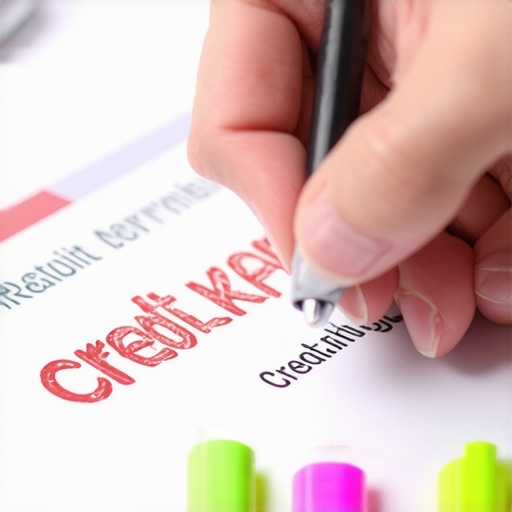 Alt: Close-up of a person analyzing credit reports with a pen and highlighter, illustrating the intricacies of credit repair.
Staying Consistent Means Using the Right Tools
Once you’ve learned the ropes of disputing errors and improving your FICO score, maintaining those gains over time requires reliable tools and disciplined routines. I personally swear by a few key resources that help me track, analyze, and address my credit profile regularly, ensuring I stay on top of any potential issues before they escalate. Consistency is key—they’re like your financial health partners, supporting your journey toward strong credit.
My Top Recommendations for Long-Term Credit Maintenance
First, I rely on MyFICO. This platform provides real-time updates on your score, credit report, and the effects of specific actions. Unlike generic credit monitoring apps, MyFICO pulls data directly from the bureaus, giving me confidence that I’m working with the most accurate information. Also, I use Credit Karma for quick weekly checks. While it’s not as precise for FICO calculations, it helps me spot sudden changes or suspicious activity early.
Beyond software, I developed a custom spreadsheet for tracking dispute letters, responses, and corrections. This organizational method keeps me disciplined and aware of ongoing issues. It’s crucial to document your actions and follow-ups to avoid redundant efforts and gauge your overall progress. These tools together create a comprehensive system that automates the mundane and elevates your strategic focus.
The Future of Credit Monitoring and Dispute Automation
Looking ahead, I predict that automation will play an increasing role in credit repair. AI-driven platforms will not only identify errors faster but also prepare dispute letters on your behalf, integrating legal references like the FCRA seamlessly. This evolution will make maintaining a healthy credit report more accessible, especially for those without extensive financial expertise. Staying informed and adopting cutting-edge tools will be your secret to keeping your credit profile resilient in 2025 and beyond.
How do I maintain my credit health over time?
The key is developing a habit of regular review, combined with leveraging advanced tools that automate and simplify the process. Automation reduces human error and saves time, allowing you to focus on strategic moves like optimizing FICO scores and addressing new challenges proactively. For instance, trying the latest dispute tool that integrates legal guidelines could significantly boost your success rate, according to this resource. I recommend starting with a trial of an AI-powered dispute system or setting weekly calendar reminders for manual checks. This disciplined approach keeps your efforts sustainable and effective.
Remember, the goal isn’t just fixing errors once but building a robust process that adapts as your credit profile evolves. Embrace these tools now, and you’ll ensure your credit health remains steady long-term. Want to explore more advanced dispute strategies recommended by experts? Check out this guide to elevate your efforts and achieve lasting results.
< >
>
Over the years, I’ve learned that the most valuable lessons in credit repair come from experience—not just theory. One of the hardest truths I uncovered was that trusting the process isn’t enough; understanding the nuances and hidden tricks of dispute strategies can dramatically accelerate your progress. Recognizing these insider lessons transformed my approach and can do the same for you.
What I Wish I Knew About Dispute Success Before Starting
- Not all errors are created equal: Some inaccuracies, like outdated information, are easier to dispute than complex fraud cases. Focusing your efforts on straightforward errors yields faster results.
- Timing is everything: Disputing promptly and consistently can prevent small mistakes from becoming long-term damage. After a failed attempt, I realized patience and persistence are key.
- Documentation on point saves time: Providing clear, detailed evidence convinces bureaus faster—my biggest wins came from thorough proof submissions.
- The power of strategic follow-up: Regular check-ins and systematic responses can push your disputes to the finish line—never underestimate the impact of proactive engagement.
- Beware of letting emotions drive your decisions: Staying calm and data-focused ensures your dispute letters are compelling, not emotional rants that get dismissed.
Tools I Use to Stay Ahead in Credit Building
Beyond understanding dispute mechanics, leveraging the right resources made all the difference. I rely heavily on MyFICO for accurate, real-time credit insights, and Credit Karma for quick weekly checks on suspicious activity. For dispute organization, I created a detailed spreadsheet that tracks every letter, response, and outcome, keeping me organized and prepared for next steps.
Looking ahead, emerging AI tools and automated dispute platforms are revolutionizing credit repair. Embracing these technologies can save you time and improve your dispute success rate—making your credit journey smarter, not harder. Staying informed about these innovations will be crucial as the landscape evolves.
Don’t Miss Your Shot to Transform Your Score
Building trust in your credit report through strategic dispute work is more than just a task—it’s a pathway to financial freedom. By mastering these insider lessons, using reliable tools, and staying ahead of technological advances, you’re setting yourself up for sustainable success. Your credit story is in your hands—take charge today and watch your efforts pay off in ways you never imagined.
What’s the biggest credit report error you’ve ever found or disputed? Share your story below and let’s learn from each other’s experiences!