

I remember sitting at my kitchen table three years ago, staring at a yellowed collection notice for a $450 medical bill I didn’t even recognize. My heart was pounding. My first instinct was to pick up the phone, give them my credit card number, and just make it go away. I wanted it off my record immediately. Thankfully, I hesitated. If I had made that call and said those three little words—’I owe this’—I would have reset the clock on a debt that might have been legally uncollectible. I almost made [the one mistake that extends the life of your debt](https://creditclaritys.com/the-one-mistake-that-extends-the-life-of-your-debt) and keeps your score in the gutter for years. Today, I’m going to show you how to handle these vultures without ever giving up your leverage. We are going to dive into the exact dance of words required to get that negative mark deleted while keeping your hands clean.
Stop Handing Over Your Rights to Debt Collectors
Collectors are trained to get you to admit the debt is yours. They want you to agree to a payment plan or acknowledge the balance because, in many states, that simple verbal ‘yes’ restarts the statute of limitations. It’s a trap. When I was first starting out, I thought being ‘honest’ was the way to a better FICO score. I paid off an old utility bill in full, only to watch my score drop by fifteen points the next week. I was devastated. I didn’t realize that [why paying off a collection could actually drop your score](https://creditclaritys.com/why-paying-off-a-collection-could-actually-drop-your-score) is one of the most counterintuitive parts of credit repair. By paying without a deletion agreement, I had essentially told the credit bureaus, ‘Hey, look at this recent activity on a bad account!’
Is this strategy actually legal or just a loophole?
It is absolutely legal. You are simply exercising your right to settle a dispute. The magic happens when you [negotiate a pay-for-delete agreement with collectors](https://creditclaritys.com/how-to-negotiate-a-pay-for-delete-agreement-with-collectors) while maintaining a position of ‘accord and satisfaction.’ You aren’t saying you owe the money; you are saying you are willing to pay a specific amount in exchange for the removal of the reporting. Did you know that according to the Consumer Financial Protection Bureau, nearly 50% of collection tradelines are for medical bills, many of which are riddled with errors? In fact, the CFPB has recently noted that medical debts under $500 should no longer even appear on your credit report, yet many collectors still try to squeeze consumers for these amounts. Have you ever felt like you were being bullied by a collector into admitting a debt you weren’t even sure was yours? I’d love to hear your story in the comments below. Before you send a dime, you need to ensure you have [the phrasing you need in a debt validation letter](https://creditclaritys.com/the-phrasing-you-need-in-a-debt-validation-letter) to protect yourself.
The Strategy of Neutrality
The key to this entire process is what I call ‘The Strategy of Neutrality.’ You must communicate in writing and use very specific language. You never use the word ‘debt’ or ‘balance.’ Instead, you refer to the ‘alleged account.’ This keeps the collector on the defensive. If they can’t prove you owe it, they have no right to report it. But if you want it gone fast, offering a settlement for a full deletion is often the path of least resistance. I’ll walk you through the exact letter templates and the ‘if-then’ scenarios you’ll face in the next section.
Force Them to Produce Receipts or Walk Away
The first rule of credit combat is simple: [why you should stop calling debt collectors and start writing](https://creditclaritys.com/why-you-should-stop-calling-debt-collectors-and-start-writing) is the most important lesson you will ever learn. When you pick up the phone, you are in their territory. They have scripts, recording devices, and managers hovering over them. When you write a letter, you are the one setting the terms. Think of a debt validation letter as a bouncer at a club; if the collector cannot produce the original contract, the itemized billing, and the proof that they have the legal right to collect in your state, they don’t get into your credit report. I remember a Portfolio Recovery agent who insisted I owed $800 for an old cell bill from 2014. It was late 2021 when they called. Instead of arguing, I hung up and sent a certified letter using [the phrasing you need in a debt validation letter](https://creditclaritys.com/the-phrasing-you-need-in-a-debt-validation-letter). Within three weeks, the account was gone. They couldn’t produce the paperwork, so by law, they had to stop reporting. 
Stop the Clock on Illegal Debt Re-aging
One of the dirtiest tricks in the industry is ‘re-aging.’ This is when a collector takes an old debt that is about to fall off your report and changes the ‘Date of Last Activity’ to make it look recent. It is a blatant violation of the Fair Credit Reporting Act, but they do it because most people don’t know [how to spot a re-aged debt on your experian report](https://creditclaritys.com/how-to-spot-a-re-aged-debt-on-your-experian-report). You need to compare your current report with older versions. If you see that date jump forward, you have them cornered. This is [the documentation that forces a bureau to manually verify your data](https://creditclaritys.com/the-documentation-that-forces-a-bureau-to-manually-verify-your-data) and can lead to an instant deletion because the bureau would rather delete the account than face a lawsuit for reporting inaccurate, stale data.
Buy Your Way Out Without Admitting Guilt
If the debt is actually yours and the collector proves it, you move to the ‘Pay-for-Delete’ phase. This is a business transaction, not a confession. You must be extremely careful here. You should [stop paying old debts before you read this warning](https://creditclaritys.com/stop-paying-old-debts-before-you-read-this-warning) because a single payment without a written agreement can ruin your leverage. You tell them: ‘I do not acknowledge this debt, but for the sake of my time, I will pay X amount if you agree to completely remove the trade line from all three bureaus.’ You need to [how to negotiate a pay-for-delete agreement with collectors](https://creditclaritys.com/how-to-negotiate-a-pay-for-delete-agreement-with-collectors) by getting that promise on their company letterhead before a single penny leaves your bank account. I once helped a friend settle a $1,200 medical bill for $300. We used [the paper trail that forces bureaus to delete old debt](https://creditclaritys.com/the-paper-trail-that-forces-bureaus-to-delete-old-debt), and because we had the letterhead agreement, when the collector ‘forgot’ to delete it, we sent that letter to the bureaus and the account was wiped out in forty-eight hours.
The Shotgun Approach Destroys Your Credibility
Most “gurus” on social media tell you to fire off a dozen dispute letters the moment you see a mistake. They call it the shotgun approach, hoping something sticks. In my experience, that is the fastest way to get your file flagged as “frivolous” by an automated system. When you send too many disputes at once, the bureaus stop taking you seriously and may refuse to investigate any of them. I’ve seen people lose their leverage because [why most dispute templates get ignored by bureau algorithms](https://creditclaritys.com/why-most-dispute-templates-get-ignored-by-bureau-algorithms) is a harsh reality of the modern, AI-driven credit world. You aren’t just fighting a person; you’re fighting a machine that looks for patterns.
The biggest “oops” factor I see is the temptation of the “Dispute” button inside your banking app or Credit Karma. It feels easy, it’s instant, and it’s free. But it is a trap designed to save the bureaus money, not to help you. When you use these digital portals, you often inadvertently waive your right to a full 30-day investigation or the right to re-dispute the item later with new evidence. It’s exactly [why you should never use the dispute button on a banking app](https://creditclaritys.com/why-you-should-never-use-the-dispute-button-on-a-banking-app) if you are serious about a permanent deletion. You need a paper trail that you control, not one managed by the very companies that benefit from your data.
Why does your online dispute actually hurt your legal rights?
According to a report by the National Consumer Law Center, the automated dispute systems used by credit bureaus—known as e-OSCAR—often reduce complex consumer disputes to a two-digit code. This “summarization” strips away all your evidence. If your specific situation involves an identity mix-up or a nuanced billing error, that two-digit code won’t cover it. By writing a physical letter, you have the opportunity to use [the specific phrase that triggers a human review of your dispute](https://creditclaritys.com/the-specific-phrase-that-triggers-a-human-review-of-your-dispute), forcing a pair of eyes onto your file instead of a line of code.
You have to realize that the bureaus use Optical Character Recognition (OCR) to scan your mail. If your letter looks like a generic template downloaded from a forum, the OCR software flags it. To get results, you need to learn [how to bypass the AI review in credit disputes](https://creditclaritys.com/how-to-bypass-the-ai-review-in-credit-disputes) by customizing your letters so they look like they came from a real human being. Have you ever fallen into this trap and had a dispute rejected immediately? Let me know in the comments below.

Outsmart the Bureaucratic Robots
Let’s dig deeper into the “Zero Balance” myth. We are often taught that a $0 balance is always a win for your score. However, if you have an old, “dead” collection account that hasn’t been touched in five years, paying it to zero can actually update the “date of last activity.” This makes an old mistake look like a brand-new failure to the FICO algorithm, which can cause your score to plummet overnight. This is [why your zero balance doesn’t always result in a higher score](https://creditclaritys.com/why-your-0-balance-doesnt-always-result-in-a-higher-score). Credit repair is a high-stakes chess match. You need to maintain [the evidence log that wins every investigation](https://creditclaritys.com/the-evidence-log-that-wins-every-investigation) to ensure that every move you make is calculated for growth, not just for “honesty.”
I’ve realized that credit repair isn’t a one-time event; it’s more like tending a garden. If you walk away the moment the weeds are gone, they’ll be back in a month. To keep your report pristine, you need a system that doesn’t rely on your memory. I personally use a physical ‘Credit Bible’—a simple accordion folder where every single piece of correspondence lives. I don’t trust digital-only storage because, as the Consumer Financial Protection Bureau (CFPB) noted in their 2022-07 Circular, furnishers often fail to conduct ‘reasonable investigations’ if they can claim they didn’t receive your full supporting documentation. By having physical copies of your certified mail receipts, you have [the evidence log that wins every investigation](https://creditclaritys.com/the-evidence-log-that-wins-every-investigation) ready to go if a zombie debt tries to resurface.
How do I maintain a clean credit profile year after year?
Maintenance is about vigilance without obsession. I set a calendar alert for every four months to pull one of my reports from AnnualCreditReport.com. This staggered approach lets me see my data across all three bureaus for free throughout the year. If I see a shift, I don’t panic. I check my tracking sheet to see if it’s a temporary dip due to high utilization or something more sinister. This is where [the ultimate guide to dispute errors and credit building in 2025](https://creditclaritys.com/the-ultimate-guide-to-dispute-errors-and-credit-building-in-2025) becomes your playbook for long-term health. You also need to stay proactive by [implementing credit building strategies correcting dispute errors for better fico in 2025](https://creditclaritys.com/credit-building-strategies-correcting-dispute-errors-for-better-fico-in-2025) to ensure your ‘available credit’ continues to outpace your spending.
The Toolkit That Actually Works When Things Get Messy
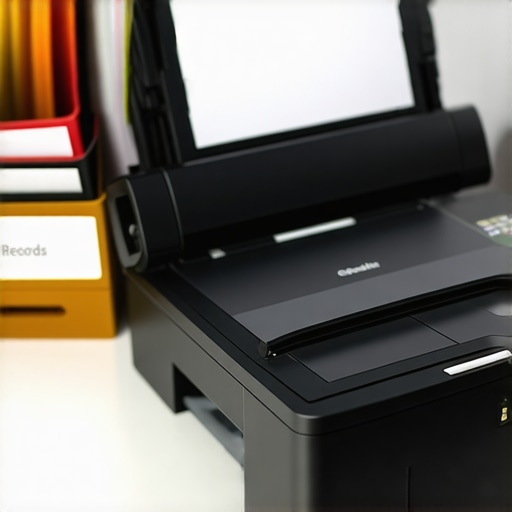
Stop relying on the free version of Credit Karma to alert you to problems. While it’s fine for a quick glance, it often uses VantageScore, which is not what most lenders actually look at. I prefer using tools that give me my real FICO scores, as [the hidden reason your credit monitoring app misses real errors](https://creditclaritys.com/the-hidden-reason-your-credit-monitoring-app-misses-real-errors) is often tied to the simplified data feeds these apps use. I also recommend using a dedicated document scanner. Scanning your dispute letters and the bureaus’ responses allows you to search for keywords like ‘verified’ or ‘deleted’ across years of history. This level of organization is [the paper trail that forces bureaus to delete old debt](https://creditclaritys.com/the-paper-trail-that-forces-bureaus-to-delete-old-debt) because it proves a pattern of reporting failures that most consumers are too disorganized to track.
What FICO 10T Means for Your Financial Future
The trend for the next few years is ‘trended data.’ In the past, FICO just looked at a snapshot of your debt today. With the rollout of FICO 10T, they are looking at how you handled your debt over the last 24 months. Are you paying down balances or just treading water? This makes [the difference between fico 8 and fico 10t for new borrowers](https://creditclaritys.com/the-difference-between-fico-8-and-fico-10t-for-new-borrowers) a critical topic for anyone planning a major purchase in the next two years. If you want to beat the algorithm, you need to adopt the habits of the ‘780+ Club’ now. I strongly suggest you try the 15/15 rule: pay half your credit card balance 15 days before your statement date and the rest 3 days before. This ensures a low balance is reported every single month, which is [the habit of high score achievers the 15-15 rule for payments](https://creditclaritys.com/the-habit-of-high-score-achievers-the-15-15-rule-for-payments) that will keep your score soaring regardless of which version of FICO a lender pulls.
The Hardest Lessons I Learned Fighting the Big Three Bureaus
Looking back at my journey, I realize that the biggest hurdle wasn’t the law—it was my own ego. I wanted the credit bureaus to admit they were wrong, but in this game, compliance is better than an apology. I learned the hard way that being ‘right’ doesn’t matter if you can’t prove it with a paper trail. I also discovered that patience is your strongest ally. Most people give up after the first ‘verified’ response, not realizing that effective dispute error resolution to boost your credit score in 2025 requires persistence over several rounds of communication.
Another lightbulb moment was realizing that credit repair is 50% defense and 50% offense. You can’t just delete the bad; you must build the good. Using credit repair secrets to resolve disputes and elevate your credit standing means nothing if you don’t have new, positive data flowing into your report every month. It’s about creating a narrative of responsibility that the FICO algorithm can finally reward.
My Personal Toolkit for Keeping a Pristine FICO Score
I don’t leave my financial future to chance, and neither should you. My ‘Credit Bible’ is the foundation—a physical folder for every certified mail receipt. I also swear by the staggered report method. By pulling one report from a different bureau every four months via AnnualCreditReport.com, I keep a constant eye on my data without spending a dime. For those looking for a comprehensive plan, the credit repair blueprint for fixing errors and strengthening your financial profile is a resource I constantly revisit to ensure I haven’t missed any technicalities.
I also recommend using a dedicated document scanner. Digital archives of your letters allow you to quickly cross-reference past denials when you need to prove a bureau failed to follow the law. This level of organization is exactly how you move toward mastering credit repair and FICO optimization for the long haul.
#IMAGE_PLACEHOLDER_E#
Your Path to a 750+ Score Starts Today
You now have the exact strategies used by the pros to dismantle collections and force the bureaus into compliance. Don’t let the fear of a ‘verified’ letter stop you; that is just the beginning of the negotiation, not the end. By focusing on understanding credit errors and following a step-by-step guide to FICO improvement, you are taking back control of your life. The interest you save on your next car or home will be the ultimate reward for the work you do today. Which negative item has been the biggest headache for your score lately? Drop a comment below and let’s figure it out together!