

I sat at my kitchen table three years ago, staring at a rejection letter for a basic car loan. My income was fine. My debt was low. But my credit report? It was a ghost town. I had plenty of bills—electricity, water, and that pricey unlimited data plan—but because they weren’t credit, they didn’t exist in the eyes of the bureaus. It was frustrating. I felt like I was being penalized for being responsible with my cash. That is when I realized I was missing out on a massive opportunity sitting right in my pocket. You are likely paying that cell phone bill every single month anyway. Why shouldn’t it count for something? We spend hundreds, sometimes thousands, a year on these devices, yet the credit bureaus act like that money does not exist. It is time to change that.
Stop Letting Your Monthly Payments Go to Waste
Most of us treat our cell phone bill like a necessary evil. We pay it, we forget it, and we move on. But if you are trying to build credit when you are starting from zero, every on-time payment should be working for you. I made the mistake of thinking I needed a fancy platinum card to see any movement in my numbers. I even applied for a high-limit card way too early and ended up with a hard inquiry that did more harm than good. In reality, your phone bill data might be the missing link you have been searching for. Padding your profile is not about going into debt; it is about proving you are a reliable human being who pays their obligations. If you have been consistent with your carrier for years, you are sitting on a goldmine of data that lenders would actually value if they could see it. [IMAGE_PLACEHOLDER]
Does reporting my phone bill actually move the needle?
You might be skeptical. I certainly was. I figured if it were that easy, everyone would be doing it. But here is the reality: utility and phone payments show a pattern of behavior that traditional FICO scores often ignore. A report by the Policy Economic Research Council (PERC) found that including these types of alternative data helped millions of Americans move from unscorable to having a healthy credit profile. Have you ever checked your report and felt like it did not tell the whole story of your financial life? Drop a comment or reach out on our contact page; I would love to hear if you have felt that same frustration. It is a common hurdle, but it is one we can clear by using the tools available to us right now.
The Right Way to Bridge the Gap Between Bills and Credit
When I first started, I thought I could just call up Equifax and tell them I have paid my carrier on time for five years. Spoilers: it does not work that way. The bureaus are like fortresses; they only take data from specific, verified sources. To bridge this gap, you need to use specific tools or boost programs that act as a middleman. These services verify your bank records or link directly to your service provider to pull that history forward. It is a game-changer for those who are stuck in the mid-600s and need a nudge to get over the hump. However, you have to be careful. One mistake I made early on was linking an account that had a few late payments from a rough patch a year prior. If you are not careful, you can accidentally report negative data. You want to ensure your history is squeaky clean before you invite the bureaus to take a closer look at your utilities. It is about being strategic, not just loud. If you have been struggling with old mistakes, you might need to look into effective dispute resolution before adding new data on top of a shaky foundation. We are building a fortress here, and that starts with a solid base of accurate information.
Scrub Your Report Before Adding New Data
Before you flip the switch on any reporting service, you need to treat your credit report like a crime scene. I learned this the hard way. I rushed to link my phone carrier, thinking I would gain ten points instantly. Instead, I accidentally pulled in a record of a disputed $12 roaming charge from three years ago that I thought had vanished. Because that data was now being ‘reported,’ it refreshed the timeline of that negative mark. My score actually dipped because I invited the bureaus to look at a mess I hadn’t cleaned up yet. You must ensure your history is pristine. This means you should stop sending generic dispute letters if you want real results. The automated systems at the bureaus are designed to flag those templates as frivolous. Instead, use specific details about your account history to prove your case. 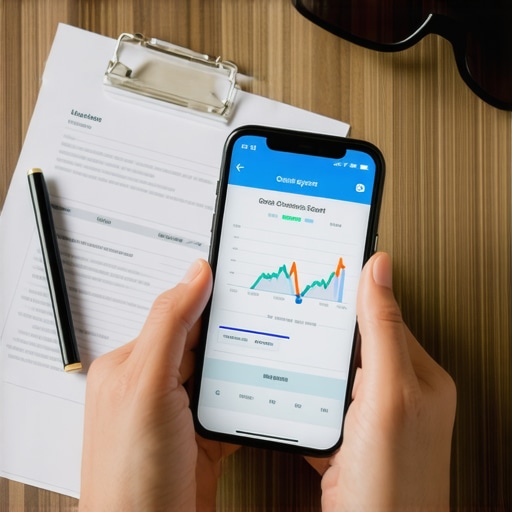
The FICO Model Gap You Need to Know
Not all credit scores are created equal. You might see a boost on your banking app, but that does not mean your mortgage lender sees the same thing. The specific way lenders view your FICO 8 vs FICO 9 determines if your phone bill data even matters. FICO 9 and newer models like FICO XD are designed to ingest alternative data, such as your AT&T or Verizon history. However, if you are applying for a loan with a bank that still uses FICO 8, they might ignore those utility points entirely. It is like trying to play a high-definition Blu-ray on an old VCR; the data exists, but the hardware cannot read it. To make this work, you need to be aware of which version of the score your lender pulls before you rely on your phone bill to get you over the finish line.
Keep a Paper Trail That Forces Action
When I finally fought that $12 roaming error, I didn’t just ask them to remove it. I used the evidence log that wins every investigation. This is a simple spreadsheet where I logged every call, the name of every representative, and the specific date I paid the final balance. When the bureau tried to stall, I sent them a copy of my log along with the phrasing you need in a debt validation letter. This level of detail makes it nearly impossible for them to claim the debt is valid. This process is a core part of the ultimate guide to dispute errors and credit building in 2025. Once you have removed the ‘zombie’ errors, you can then focus on how your local utility bill could boost your FICO overnight by using verified reporting tools. The goal is to show a consistent, uninterrupted stream of payments that proves you are a low-risk borrower.
The Instant Gratification Trap That Kills Your Case
Let’s dig deeper into why your DIY efforts might be stalling. Everyone says paying off a collection is the golden ticket to a 700 score, but in my experience, that is a dangerous half-truth. When you pay a collection that hasn’t been touched in years, you risk ‘waking up’ a sleeping giant. Under many FICO models, that payment updates the status to ‘Recently Active.’ This can actually cause your score to plummet because the algorithm thinks you just had a new negative event. This is why you need to understand why paying a collection might actually lower your score before you send a single dime. I once saw a client drop 40 points because they thought they were doing the right thing by settling an old $50 utility bill. Have you ever fallen into this trap? Let me know in the comments.
Why does paying off an old debt sometimes tank your score?
It comes down to the math of the algorithm. According to research by the Consumer Financial Protection Bureau (CFPB), millions of consumers see no score improvement after paying collections because older FICO versions—like the widely used FICO 8—do not ignore paid collections. Instead of just paying, you should be focused on credit repair secrets: how to resolve disputes and elevate your credit standing through actual deletion. If you aren’t using the phrasing you need in a debt validation letter, you are just asking for a status update instead of a total removal of the item from your history.
Stop Using the Easy Button
Another massive mistake is the ‘Dispute’ button on your bank’s app. It feels convenient, but why you should never use the dispute button on a banking app is simple: it often funnels your request through e-OSCAR, an automated system that reduces your detailed evidence to a two-digit code. Worse, using these buttons can waive your right to a 30-day investigation under the Fair Credit Reporting Act.  To truly see movement, you need mastering FICO: proven strategies to improve your credit dispute score that involve physical mail and certified receipts. You are essentially trading your legal rights for a three-second shortcut. It is better to use the ultimate guide to dispute errors and credit building in 2025 to do it right the first time. If you have been stuck, check out our contact page; we see these specific ‘oops’ moments every single day and can help you pivot back to a strategy that actually moves the needle.
Once you move past the ‘dispute phase,’ the game changes from defense to offense. I don’t just rely on apps to tell me my score; I keep a ‘Credit Master File’ in a physical accordion folder. Why physical? Because when you need to prove a point to a lender, a screenshot of a glitchy app carries zero weight. You need the original letters and certified mail receipts. This is part of the habit of high score achievers: the 15-15 rule for payments. I set my calendar to pay half my balance 15 days before the statement closing date and the other half 3 days before. This keeps my reported utilization near zero without me having to stop using the cards. It is a level of micro-management that feels tedious until you see that ‘Platinum’ offer show up in your mailbox.
How do I keep my FICO score climbing after the initial boost?
Maintenance is about monitoring the trends, not just the numbers. I use a specific spreadsheet to track my ‘Statement Date’ vs my ‘Due Date.’ If you confuse these, you might see the real reason your FICO score dropped five points despite paying on time. You want to ensure that every positive action—like your phone bill or a new secured card—is being reported on a clean slate. If you are starting fresh, learning how to use a secured card to jumpstart a 700 score is the fastest way to add positive ‘weight’ to your file. But remember, one wrong move, like a late payment on that new card, is the one mistake that extends the life of your debt‘s impact on your score. 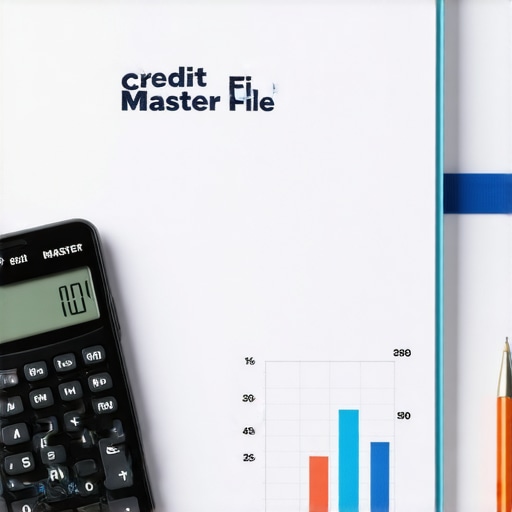
Audit Your Own Profile Every Quarter
The secret to scaling your credit to the 800s isn’t just about deleting the bad stuff; it’s about the precision of your current habits. Most people stop when they reach ‘good’ credit. I kept going by auditing my own report every quarter. I look for ‘soft errors’ like an old employer or an address that isn’t mine. Even these small things can cause a mismatch when an automated system tries to verify your identity. If you are organized, you can easily use the ultimate guide to dispute errors and credit building in 2025 to keep things tight. It is about becoming your own advocate because the bureaus certainly won’t do it for you.
Prepare for the Rise of Trended Data
The credit landscape is shifting beneath our feet. We are moving toward ‘Trended Data,’ which means the bureaus are looking at your behavior over time, not just where you stand today. Traditional scores were a snapshot; the newer models are a movie. According to the FICO 10T white paper, lenders are now looking at whether your balances are growing or shrinking over a 24-month period. This is the difference between FICO 8 and FICO 10T for new borrowers. If you are ‘transacting’ (paying in full) rather than ‘revolving’ (carrying a balance), you are going to win the long-term game. My advice? Start treating your credit report like a resume that is always being updated. Go ahead and try the 15-15 rule this month. It’s the single most effective way to see an immediate impact on your utilization ratio without spending an extra dollar. If you have questions about your specific trend lines, reach out via our contact page; I am always here to help you navigate these changes.
The Hardest Lesson I Learned While Chasing a 700 Score
Looking back at my journey, the biggest revelation wasn’t a specific hack, but a shift in mindset. I realized that my credit report isn’t just a number—it’s a living document of my reliability. One major lightbulb moment was discovering that silence from a bureau isn’t a rejection; it is often a test of your persistence. If you aren’t prepared to follow up, you aren’t prepared to win. I also learned that mastering credit repair, dispute errors, and FICO optimization requires treating every letter you send like a legal document. Lastly, I realized that ‘quick fixes’ almost always have a hidden cost, whereas adding steady data like your phone bill creates a foundation that doesn’t crumble when the wind shifts.
The Exact Tools I Use to Keep the Bureaus in Check
If you are serious about this, you need more than just a banking app. I recommend keeping a dedicated ‘Evidence Binder.’ Every time you dispute errors on your credit report, the certified mail receipt goes into that binder. I also highly suggest bookmarking the official Consumer Financial Protection Bureau (CFPB) complaint portal; it’s the ultimate ‘manager’ to talk to when the bureaus ignore your evidence. For those who want a deep dive into the technicalities, the ultimate guide to dispute errors and credit building in 2025 is my go-to reference for staying updated on changing laws. These aren’t just links; they are the shields you use to protect your financial future.
Your Journey to Financial Freedom Starts Now
You don’t have to wait for a bank to give you permission to have good credit. By using the bills you already pay and being aggressive about fico insights how dispute errors affect your score and what to do, you are taking the power back. It might feel slow at first, but once that momentum builds, doors start opening that you thought were locked forever. Whether you are learning how to build credit when you are starting from zero in 2025 or cleaning up old mistakes, the most important step is the one you take today. Have you ever felt like your credit report was missing a huge chunk of your actual financial life? Let me know in the comments below!