
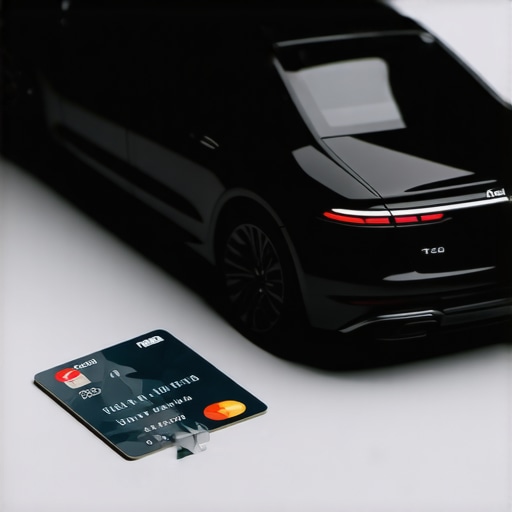
I remember sitting in the dealership lobby, clutching a lukewarm cup of paper-filtered coffee and preparing to be rejected. My banking app told me I had a 650. I was certain I’d walk away with a high-interest loan or, worse, no car at all. Then the finance guy walked out, grinning. “Great news,” he said, “you’re at a 710.” I almost choked. How could 60 points just appear out of thin air? I felt like I was being pranked by the credit bureaus. It turns out, I wasn’t being pranked; I was just looking at the wrong math. For years, I made the mistake of thinking my credit score was a single, static number that followed me everywhere. I spent hours obsessing over my consumer-facing score, not realizing that the specific way lenders view your FICO 8 vs FICO 9 varies wildly depending on what you are trying to buy. The truth is, the ‘FICO’ you see on your dashboard is rarely the one a car dealer sees.
The Day I Realized My Credit Score Wasn’t Just One Number
We’ve been conditioned to think of credit like a GPA, but it’s more like a wardrobe. You wouldn’t wear a tuxedo to a beach party, and a lender wouldn’t use a credit card algorithm to approve a $40,000 truck. This is where fico insights how dispute errors affect your score and what to do become critical. When you apply for a car, the dealer uses a ‘FICO Auto Score.’ This specific formula weighs your past car payment history much more heavily than whether or not you maxed out a Best Buy card three years ago. If you’ve always paid your car notes on time, your auto-specific score will naturally be higher than the version used for credit cards. According to official FICO documentation, there are over 28 different versions of your score currently in use by various industries. This industry-specific weighting is exactly why you might see a massive jump when you switch from a ‘Bankcard’ score to an ‘Auto’ score. Have you ever walked into a dealership and been shocked—either happily or miserably—by the number they pulled? Drop a comment below; I want to hear if your dealer score was the same as your app.
Is the auto score just a trick to get you into a bigger loan?
It feels like a scam, doesn’t it? You see a higher number and suddenly you’re looking at the leather interior instead of the base model. But it’s actually about risk assessment. Car lenders care about one thing: Are you going to let them repo that car? If you have a history of prioritizing your wheels over your Visa bill, the algorithm rewards that loyalty. However, don’t get too comfortable, because why your fico score drops after paying off a car loan is a real phenomenon that catches many people off guard later. Before you sign those papers, you need to be aware of understanding fico dispute errors and credit repair hacks so you aren’t caught off guard by a hidden mistake in your profile that only the auto-lender sees. We’re going to dive into how you can manipulate these different versions to your advantage.
Ditch the Consumer Apps and Get the Real Data
If you want to play the credit game, you need the actual playbook, not the summary on the back of the box. Those free apps give you a ‘VantageScore,’ which is about as useful as a screen door on a submarine when you’re sitting at a car dealership. You need your industry-specific FICO scores. I learned this the hard way when I realized why you should never use the dispute button on a banking app; it essentially forces you into a simplified AI-driven process that favors the bureau, not you. I once spent months hitting that digital button to remove a ‘late payment’ that wasn’t mine, only to get an automated rejection every time. The moment I switched to paper, the game changed. 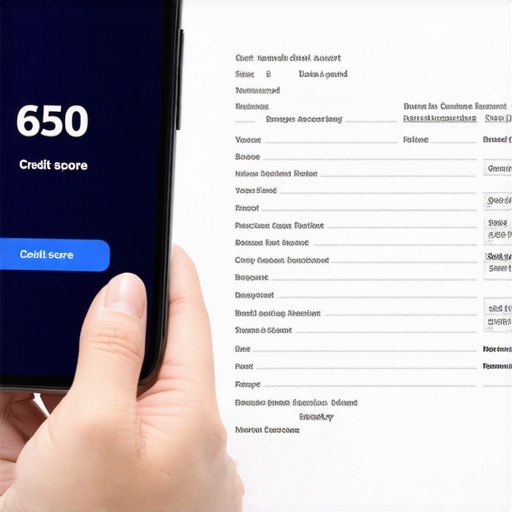
Force a Human to Actually Look at Your File
Bureaucracy is lazy by design. When you send a dispute, an AI scanner picks up keywords and spits out a result. To win, you have to break the machine. This is where the specific phrase that triggers a human review of your dispute becomes your best friend. You need to provide ‘unscannable’ evidence. I started including copies of my driver’s license and utility bills with handwritten notes in blue ink. This small tweak forces a manual scan. You should also focus on the documentation bureau reps hate to receive, like a full payment history from the original creditor that proves the collection agency is lying.
Hack the Timing to Shrink Your Utilization Overnight
Most people think the ‘due date’ is the only date that matters. It’s not. If you pay your bill on the due date, the bank has already reported your high balance to the bureaus. You’ve already lost the points for that month. You need to find your ‘statement closing date.’ This is usually 20-25 days before your due date. If you pay your balance down to 1% by this date, that’s the number the bureaus see. I call this ‘point-shifting.’ By mastering why your credit card statement date is more important than your due date, I was able to swing my score by 40 points in a single billing cycle without paying a penny extra.
The 15-15 Rule for High-Score Achievers
If you’re serious about a top-tier auto loan, adopt the habit of high-score achievers the 15-15 rule for payments. You make a payment 15 days before your statement date and another one 3 days before. This ensures your reported utilization is microscopic. It sounds tedious, but when you’re looking at the difference between a 3% and an 11% interest rate on a car, that extra five minutes on your banking app is worth thousands of dollars. You are essentially building a trail of effective dispute error resolution to boost your credit score in 2025 by ensuring the data being sent to FICO is pristine and timed for maximum impact.Now, let’s talk about the mistake that breaks even the smartest budgets. You’ve probably heard that the goal is to have no debt at all, and while that’s great for your peace of mind, the algorithm doesn’t always agree. If you walk into a lender’s office with a 0% utilization across every single credit card, the FICO algorithm treats you like a ghost. This is known in advanced circles as the ‘All Zero Except One’ (AZEO) strategy. Data analysis from FICO experts suggests that borrowers who maintain a very small, non-zero balance—typically under 7%—actually see higher scores than those with absolute zeros. This counter-intuitive reality is why a zero balance might be the reason your score is stuck. By showing a tiny amount of activity, you prove you can manage credit responsibly without being dependent on it. 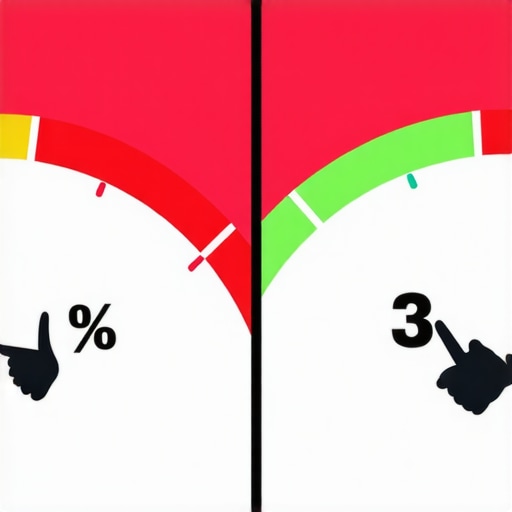
Don’t Trigger a Bureau Audit by Over-Disputing
Another massive trap involves the ‘shotgun’ approach to credit repair. Many self-proclaimed gurus tell you to dispute every single negative item on your report simultaneously. In my experience, that is the fastest way to get your file blacklisted. When you send a flurry of generic, templated disputes, you inadvertently trigger the red flags that trigger a credit bureau audit. The credit bureaus use sophisticated pattern-recognition AI. If your letter looks like the 10,000 others they received that morning from a ‘credit repair mill,’ they will flag your request as ‘frivolous.’ This is why you should never dispute valid information just to see if it sticks; it damages your credibility for the disputes that actually matter. Instead, focus on mastering fico proven strategies to improve your credit dispute score by using unique, evidence-based claims.
Why did my score drop the second I paid off my car?
It’s one of the most frustrating moments in personal finance. You make that final $400 payment, expecting a victory lap, and instead, your score dives 15 or 20 points. This happens because FICO rewards a ‘credit mix.’ When you close that installment loan, you’ve essentially removed a healthy category of credit from your profile. It is a common ‘oops’ factor that catches people right before they apply for a mortgage. This phenomenon is why your fico score drops after paying off a car loan and why you need to have other active accounts, like credit cards or small personal loans, ready to pick up the slack. You should also be aware that the hidden reason your credit monitoring app misses real errors is that they often use simplified models that don’t reflect these complex closing-account scenarios. To protect your standing, I always recommend keeping an evidence log that wins every investigation so you can challenge any incorrect reporting that happens during the loan closure process. Have you ever fallen into this trap and seen your score tank after a big payment? Let me know in the comments—I want to know how long it took for your numbers to bounce back.I used to think my phone’s banking app was enough to monitor my progress, but after that dealership surprise, I realized I was flying blind. If you are serious about maintaining a 750 or higher, you have to stop relying on ‘estimates.’ I switched to using the official MyFICO dashboard because it provides all 28 versions of my score, which is exactly the specific way lenders view your FICO 8 vs FICO 9 when you apply for different types of financing. It costs money, but compared to the thousands you save on interest, it is the cheapest insurance you can buy for your financial future.
Stop Guessing and Start Using Pro-Grade FICO Tools
Most consumers get stuck in a loop of checking free apps every morning, but those scores don’t include the ‘mortgage’ or ‘auto’ versions that actually matter. To scale your credit profile properly, you need to follow the diy credit repair checklist that outperforms paid services. This involves downloading your full reports once a quarter and looking for ‘soft errors’ like misspelled employers or old addresses. These might seem small, but they are often used by bureaus to ‘link’ you to old debts. By using the documentation that forces a bureau to manually verify your data, you ensure that no automated system can accidentally merge your file with someone else’s. 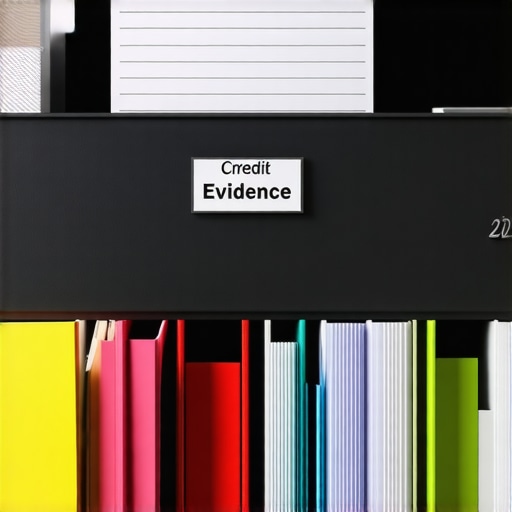
How do I maintain my credit health for the long haul?
Maintenance isn’t about checking a score; it’s about managing a trail. I keep a dedicated ‘Credit Evidence’ folder on my computer where I scan every single statement and dispute response. This is the evidence log that wins every investigation. If a creditor tries to re-report a deleted item, you don’t start from scratch; you hit them with the previous deletion letter and a demand for immediate compliance. You also need to stay ahead of the bureaus’ timelines by adhering to the 30 day rule for disputing new errors. If you wait 90 days, you lose much of your leverage under the Fair Credit Reporting Act.
The Future of FICO is Watching Your Trends
We are entering the era of ‘Trended Data.’ According to technical documentation from FICO regarding the FICO 10T model, lenders are no longer just looking at your balance today; they are looking at whether your balances are growing or shrinking over a 24-month rolling window. This means mastering credit repair dispute errors and fico optimization is now a marathon, not a sprint. To stay ahead, you must ensure you aren’t just paying minimums. Even if you have a low utilization, the algorithm prefers to see ‘transactors’—people who pay in full—over ‘revolvers.’ If you are just starting, focus on how to build credit when youre starting from zero in 2025 by using small installment loans to show a history of consistent, decreasing debt. I strongly recommend you try the ‘AZEO’ (All Zero Except One) method for one billing cycle; pay all cards to zero and leave just one card with a $10 balance. You will be shocked at how much your score jumps when the algorithm sees that specific ratio.
Three Credit Lies That Kept My Score in the Basement
For years, I believed that carrying a small balance on my credit cards helped my score. It doesn’t. In fact, why a zero balance might be the reason your score is stuck is a nuance that only high-achievers truly grasp. Another myth is that more credit is dangerous. The reality is that why a high credit limit is safer than a low one comes down to lowering your overall utilization percentage automatically. Finally, I thought the bureaus were on my side if I used their online tools. I was wrong. Why you should never use the online dispute button is a lesson every consumer learns the hard way after their first ‘automated’ rejection.
Tools That Give You the Upper Hand
To win, you need to see what the lenders see. I stopped guessing and started using pro-grade tracking that shows the specific FICO versions used for cars and homes. I also became obsessed with my ‘Statement Date’ rather than my ‘Due Date.’ Understanding why your credit card statement date is more important than your due date allowed me to manipulate my reported debt without spending an extra dime. #IMAGE_PLACEHOLDER_E# I highly recommend checking your raw reports for ‘identity noise’ every few months. Use the simple way to proofread your credit report for identity errors to ensure someone else’s late payments aren’t dragging you down. Finally, keep the evidence log that wins every investigation; it is the only way to stop a deleted collection from ‘accidentally’ reappearing six months later.
Take Control of Your Financial Future Today
Credit isn’t a static grade assigned to you by a mysterious computer; it’s a living profile that you have the right to shape. Whether you are following the credit repair blueprint fixing errors and strengthening your financial profile or learning how to build credit when youre starting from zero in 2025, the key is consistency and documentation. By mastering credit repair dispute errors and fico optimization, you ensure that when you walk into that dealership or mortgage office, you are the one in the driver’s seat. What’s the most frustrating thing you’ve encountered while trying to fix a credit error? Drop a comment below—I’m here to help you troubleshoot.