

I’ll never forget sitting at my kitchen table, staring at a credit notification for my late father’s old credit card—a card I’d personally watched the executor cut into pieces months prior. My heart dropped. It wasn’t just about the potential for debt; it felt like a violation. I had made the classic rookie mistake of assuming the government and the banks automatically talked to each other about these things. They don’t. That moment of panic turned into a weeks-long obsession with the mechanics of the deceased flag on credit reports. I realized that if I didn’t act, his clean legacy would be tarnished by some identity thief halfway across the world. It was a wake-up call that handling an estate is about more than just physical assets; it’s about guarding a digital ghost.
Stop the Ghost of Credit Past from Haunted Family Records
When you’re grieving, the last thing you want to do is hunt down a death certificate and mail it to a bunch of faceless corporations. But here is the cold, hard truth: identity thieves target the deceased because they know nobody is checking the mail or monitoring the score. According to the Identity Theft Resource Center, nearly 2.5 million deceased Americans have their identities used for fraudulent credit applications every year. That is a staggering number of families left to clean up a mess they didn’t create. It’s not just a statistic when it happens to your family; it’s a nightmare that requires hours of phone calls and paperwork to untangle. I learned the hard way that silence from the bureaus doesn’t mean safety.
Today, I’m going to share the exact steps I took—and the ones I missed—to lock down a loved one’s file properly. We are going to ensure that their financial history remains as honorable as their life was, without you losing your mind in the process. We will cover the specific documentation required and how to communicate with the bureaus so they actually listen the first time.
Is all this extra paperwork actually worth the hassle?
You might be thinking that since the accounts are closed, the file will just eventually wither away. I thought the same thing. My biggest blunder early on was relying on the Social Security Administration’s Death Master File to trickle down to the big three bureaus. It took months, and in that window, a mixed credit file started to form where some of his old data began merging with mine because we shared a similar address and surname. If you don’t understand how credit errors start, they can snowball fast into a situation that affects your own borrowing power.
I had to learn how to fix a mixed file the hard way, spending hours on hold with representatives who sounded like they were reading from a script. It’s much easier to be proactive and send that certified letter today than to fight a fraudulent collection two years from now. Have you ever found yourself staring at a bill for someone who’s no longer here, wondering how on earth the system could be so broken? It is a common frustration, but it is manageable. You need to proofread the credit report carefully once that deceased indicator is added to ensure no new inquiries have popped up. Let’s get into the nitty-gritty of the documents you need to protect your family’s peace of mind.
Get Your Documents in a Row Before Making the Call
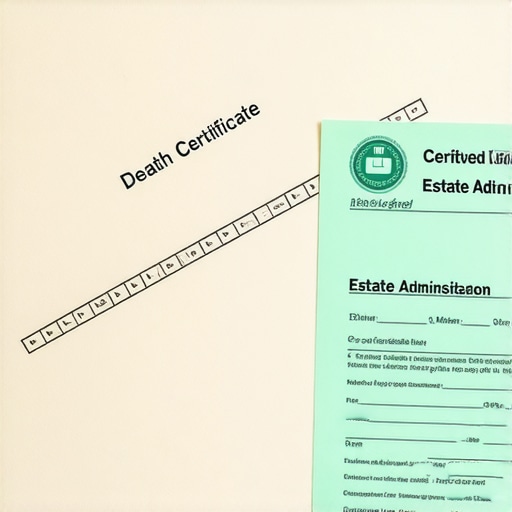
You can’t just call up a bureau and tell them someone has passed away; they won’t take your word for it, and frankly, they shouldn’t. Think of a credit report like a high-security vault. To change the locks, you need the right keys. In this case, those keys are a certified copy of the death certificate and the ‘Letters of Testamentary’ or ‘Letters of Administration’ from the probate court. These documents prove you have the legal authority to handle the estate’s affairs. I remember the first time I tried to call without these in hand; the representative was polite but firm—I was a stranger to them. It wasn’t until I gathered the specific documentation required that the gears finally started turning.
Mail Everything Using a Certified Paper Trail
Avoid the temptation to use an online portal or a generic customer service line. These systems are built for speed, not for the nuance of an estate closure. Instead, you need to use the paper trail method. Send a formal letter to each of the three major bureaus—Equifax, Experian, and TransUnion—via Certified Mail with a Return Receipt Requested. This is your digital ‘delivery confirmation’ that holds up in court if things go sideways later. When I sent my father’s packet, I felt like I was sending a message in a bottle into a vast corporate ocean. But two weeks later, when that green signature card came back in the mail, I knew the clock had officially started on their 30-day window to update the file.
Watch for the Deceased Indicator to Trigger
Once the bureaus receive your documents, they will add a ‘deceased’ flag to the file. This is the ultimate defensive shield. It effectively freezes the report so that no new credit can be issued in that person’s name. It’s a much more robust version of a standard credit freeze. However, don’t just assume it happened. You need to proofread the credit report one last time about 45 days after you send the letters. If the indicator isn’t there, you may need to provide documentation that forces a manual verification of the data. I’ve seen cases where a bureau’s automated system simply ‘missed’ the flag, leaving the file vulnerable to the exact identity theft we’re trying to prevent.
Manage the Remaining Balances Without Tanking Your Own Score
Here is where things get tricky for the surviving family members. Just because a ‘deceased’ flag is on the report doesn’t mean the debt vanishes. It just means the file is closed for new business. If you were a joint account holder, you are still on the hook. I’ve talked to dozens of people who thought ‘joint’ meant the debt died with the primary user—it doesn’t. If you’re unsure about your status on an account, you must verify if the account is individual or joint before you stop making payments. One late payment on a joint account can rip through your own score like a chainsaw through paper. It’s also vital to verify why a bank might still report a closed account as active, as these ‘zombie’ statuses can sometimes invite fraudulent inquiries even after the flag is set.
I’ve noticed a dangerous myth circulating in credit forums: the idea that ‘bombarding’ the bureaus with every single dispute at once is the best way to see results. In my experience, this is actually the quickest way to end up in the ‘frivolous’ bin. When you are cleaning up a deceased loved one’s file—or even your own—you have to realize you’re fighting an algorithm, not a person. If you use a generic form, the bureau’s AI will likely reject it before a human even sees it. You need to learn how to stop ai from automatically rejecting your dispute letter by being surgical and specific with your claims. Have you ever fallen into this trap where you sent a valid letter and got a rejection in what felt like seconds? Let me know in the comments.
Don’t Let the Bureau’s AI Trash Your Hard Work
The biggest mistake advanced credit builders make is assuming the bureaus are manually investigating every claim. They aren’t. A report by the Consumer Financial Protection Bureau (CFPB) found that the big three bureaus rely heavily on automated systems, often failing to conduct the ‘reasonable investigation’ required by law. This is why the credit repair blueprint fixing errors and strengthening your financial profile is so important; it emphasizes customized evidence over templates. If you don’t use the specific phrase that triggers a human review of your dispute, you are essentially letting a robot decide your financial future.
Why does the ‘dispute’ button feel like a trap?
It feels like a trap because, quite often, it is. Most banking apps and monitoring services now offer a convenient one-click dispute option. It’s tempting, especially when you’re already overwhelmed. But here’s the ‘oops’ factor: when you click that button, you frequently waive your right to a full manual investigation and the ability to re-dispute the item later with new evidence under the Fair Credit Reporting Act. I always tell my readers to understand why you should never use the dispute button on a banking app and instead stick to the certified mail method. This ensures you maintain a legal paper trail that the bureaus cannot ignore. 
Another nuance people overlook is the complexity of ‘Authorized User’ status during estate settlement or credit building. Many think that if they were an authorized user on a parent’s card, that history stays on their report indefinitely. That is a myth. Once the ‘deceased’ flag is set, that account history can vanish or, even worse, you might find why your authorized user status might be lowering your fico score if the estate doesn’t settle the balance immediately and the account falls into a negative status. You have to be proactive about mastering credit repair dispute errors and fico optimization to ensure your own score doesn’t take collateral damage. This isn’t just about deleting the bad; it’s about effective dispute error resolution to boost your credit score in 2025 by understanding how FICO interprets these sudden file changes.
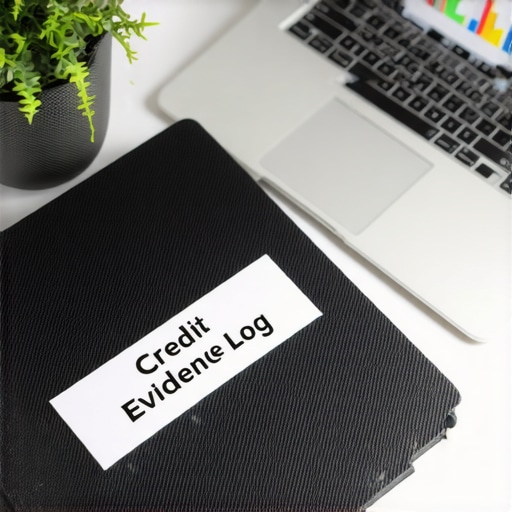
Once you’ve successfully flagged a deceased loved one’s file or cleared your own report of errors, the real work begins: maintenance. Most people treat credit repair like a one-time surgical procedure, but in reality, it is more like physical therapy. If you stop the exercises, the old problems will stiffen up and return. To prevent this, I have moved away from flashy, automated monitoring apps that only tell you when a catastrophe has already occurred. Instead, I rely on a physical and digital filing system I call my ‘War Chest.’ This is where I store the evidence log that wins every investigation, including every certified mail receipt and every response from the bureaus, regardless of how minor it seems.
Use Your Own Paper Trail Because Apps Will Fail You
I stopped trusting those colorful credit monitoring apps the day one of them failed to alert me to a $2,000 fraudulent medical collection for three weeks. These apps often rely on ‘vantage’ scores and delayed data feeds. To stay ahead, I perform my own deep-dive every month. I follow the habit of high score achievers checking reports every 30 days directly from the source. I don’t just look at the number; I look at the balance-to-limit ratios on every single trade line. This level of granularity is the only way to catch ‘ghost’ errors before they impact your borrowing power. According to a detailed report by the National Consumer Law Center (NCLC), the big three bureaus still struggle with ‘mixed files’ even after corrections are made, often due to their faulty matching algorithms. If you aren’t checking your own work, you’re leaving your financial health in the hands of a broken robot.
How do I keep my FICO score climbing after the errors are gone?
Maintenance isn’t just about deleting the bad; it’s about optimizing the good. Once the ‘deceased’ flags are set or the disputes are settled, I shift my focus to timing. I use what I call the the habit of high score achievers the 15/15 rule for payments. I pay half my balance 15 days before the statement date and the remaining half 3 days before it. This ensures that when the bank reports to the bureaus, my utilization looks nearly zero, even if I spent thousands that month. This strategy is essential for mastering FICO proven strategies to improve your credit dispute score because it controls how the algorithm perceives your risk level in real-time.
Looking toward the future, I predict we are heading toward ‘Ultra-FICO’ and real-time cash flow underwriting. By 2026, lenders won’t just look at your past payments; they will scan your bank account for consistent income and spending habits. This is why why your rent history deserves a spot on your credit report now—it builds a foundation for this upcoming shift toward alternative data. You need to understand the truth about how often your fico score actually updates to realize that every transaction is a potential signal to a lender. My advice is to stop playing defense and start playing offense. Go through your current report tonight and how to audit your own credit report for 10 common mistakes that most people miss, like outdated addresses or mislabeled closed accounts. Fix those now, and you won’t have to fight them later when you’re applying for a mortgage.
What I Wish I Knew Before Facing the Credit Bureaus
Walking through the credit landscape after a loss taught me that the systems we rely on are far more fragmented than they appear. One major lightbulb moment was realizing that silence from the credit bureaus is not confirmation of action. Even with a death certificate in hand, you are essentially a project manager for a massive corporate machine. I learned that if I didn’t treat my father’s file with the same rigor as the credit repair blueprint fixing errors and strengthening your financial profile, the errors would simply linger forever.
- The ‘Social Security Death Master File’ is not a magic wand; it can take months to sync with private bureaus.
- Joint accounts don’t just disappear—they become your sole responsibility, often without a courtesy call.
- If you don’t use the specific phrase that triggers a human review of your dispute, your legitimate concerns might be tossed by an algorithm.
My Personal Survival Kit for Estate Paperwork
When you are juggling grief and legal deadlines, you need a system that doesn’t rely on your memory. I moved away from digital-only solutions and built what I call a ‘War Chest.’ This is where I kept the evidence log that wins every investigation, ensuring that every certified mail receipt had a home. For anyone just starting, I recommend these resources:
- The CFPB Complaint Portal: When bureaus ignore your letters, this is the hammer that gets their attention.
- AnnualCreditReport.com: The only place to get the raw data without the marketing fluff of monitoring apps.
- Certified Mail (Form 3800): This is the gold standard for dispute errors on your credit report a step-by-step guide for 2025 because it provides a legal timeline.
Take Action to Guard Your Financial Reputation
Protecting a loved one’s credit is the final act of stewardship. It’s about ensuring that a lifetime of hard work isn’t tarnished by a data entry error or a scavenger identity thief. By following the ultimate guide to dispute errors and credit building in 2025, you aren’t just cleaning up a file; you are guarding a reputation. Take the first step today by pulling those reports and looking for any anomalies. Managing dispute errors, credit building, credit repair, and FICO is a marathon, but the peace of mind at the finish line is worth every stamp and every phone call. Have you ever discovered a ‘ghost’ account or a mixed file after a major life event? Let me know your experience in the comments below.