

I remember the sting of that first rejection letter like it was yesterday. I had applied for a premium travel card, convinced that a high-limit account was the only way to prove I was financially adulting. I was wrong. Dead wrong. All I got for my trouble was a ding on my credit report and a bruised ego. I eventually swallowed my pride and applied for a toy card with a measly $300 limit. At first, I felt like a kid with a training-wheel bike. But here is the secret I wish someone had told me back then: those small-limit cards are actually the fastest lane to a powerhouse score if you know how to drive them.
Turn Your Toy Card Into a Credit Building Machine
When you have a small limit, every move you make is amplified. I made the classic mistake of thinking I needed big spending power to impress the bureaus. In reality, FICO doesn’t care if your limit is $300 or $30,000 as much as they care about how you manage what you’ve been given. By keeping my balance ultra-low on that tiny card, I was able to leverage the small balance hack to see an immediate jump in my numbers. This is especially effective for how to build credit when you’re starting from zero in 2025 because it provides a controlled environment to prove your reliability. Have you ever felt embarrassed by a low credit limit, or did you think it was holding you back?
Is a tiny $300 limit really enough to change my score?
I hear this all the time from my neighbors and friends. They think a small limit is a waste of time. But here is the reality: credit utilization is a percentage game. According to data from FICO, the amounts owed category—which includes utilization—makes up 30% of your total score calculation. When your limit is small, a $15 purchase might look like 5% utilization, which is the sweet spot for score growth. Early on, I messed up by maxing out my small card on a single dinner out, not realizing I’d pushed my utilization to 90% and tanked my score for a month. Once I learned to treat that small limit like a precision tool, my FICO started climbing faster than I ever thought possible. If you are struggling with a low score, you can also look into build credit fast expert tips for correcting credit errors to ensure your foundation is solid while you use these cards to grow.
Beat the System by Mastering Your Statement Date
You need to view your credit limit like a high-performance engine; if you flood it with too much fuel (spending), it stalls. The biggest mistake I see is people confusing their ‘due date’ with their ‘statement date.’ I learned this the hard way with my first $300 card. I was paying my bill in full every month by the due date, but my score was stuck in the mud. Why? Because the bank reported my balance to the bureaus on the statement closing date, which was a week earlier. By then, I had already run up the balance again. When I realized why your credit card statement date is a critical number, I changed my strategy overnight. I started paying the balance down to almost nothing forty-eight hours before that statement date. Suddenly, the bureaus saw a 2% utilization instead of 90%. 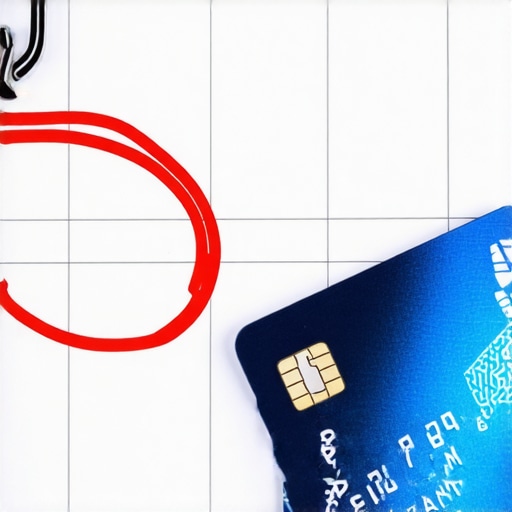
Why the Ten Dollar Rule Actually Works
A lot of people think they should pay their balance to exactly zero. I tried that too, and my score actually dropped. It felt like a betrayal. But FICO algorithms sometimes interpret a $0 balance across all accounts as ‘non-use.’ I discovered that why a zero balance is not always the best for your FICO score is because the system needs to see active, responsible management. I started leaving a tiny $10 charge on the card—something as simple as how a 10 dollar Amazon purchase can boost your score every month. This proves you are using the credit but not relying on it. It is the ‘All Zero Except One’ (AZEO) method in action, and it is a cornerstone of the rule for using just one credit card to maximize your fico. My score responded by jumping into the next tier within thirty days.
Clean Up Your History Before You Level Up
While you are playing the utilization game, you must ensure no ghosts are haunting your report. I once found a random ‘late payment’ from a utility company I had never even used. These tiny errors act like an anchor on your score, preventing it from rising no matter how well you manage your toy card. You have to how to audit your credit report for hidden reporting errors at least once a month. I spent an afternoon going line by line and realized that how to audit your own credit report for 10 common mistakes is the only way to guarantee your foundation is solid. Managing a $300 limit is a precision job; don’t let a clerical error at a bureau undo your hard work. Think of it like tuning a piano; if one string is off (an error), the whole song sounds bad, even if you’re playing the notes perfectly. Consistency in keeping that how a 10 balance can protect your credit score from dropping is your primary lever for growth.Everyone tells you to dispute every negative item the moment you see it. It sounds like a no-brainer, right? But here is the contrarian truth: firing off disputes blindly can actually freeze your progress or, worse, lower your score. I’ve seen people delete a ‘negative’ account only to realize it was their oldest line of credit, causing their score to plummet and destroying their length of credit history. You have to know the one account you should never dispute on your credit file before you start sending letters to the bureaus.
Why Your Dispute Letter Might Be Your Score’s Worst Enemy
The biggest ‘oops’ factor I encounter is the use of the online dispute button. It’s a convenient trap. When you click that ‘Agree’ button, you often unknowingly waive your right to a full investigation under the Fair Credit Reporting Act (FCRA). This is why you should never use the online dispute button. Instead, the bureaus want you to use their automated system because it’s infinitely easier for their AI to reject your claim as frivolous. To get real results, you need a physical paper trail that cannot be ignored. I always suggest why you should always send dispute letters via certified mail to force a human to actually sign for and look at your evidence. 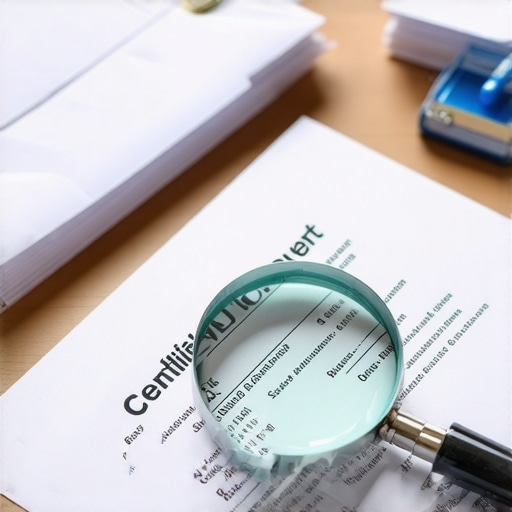
Does FICO actually penalize you for too many disputes?
While FICO itself doesn’t have a specific “dispute penalty” category, the bureaus certainly do. If you send too many boilerplate letters, they will flag your file as ‘frivolous’ and stop investigating entirely. A study by the Consumer Financial Protection Bureau (CFPB) highlights that automated systems often overlook the nuances of consumer evidence in favor of speed. This is exactly why most dispute templates get ignored by bureau algorithms. You aren’t just fighting a bank; you’re fighting a machine designed to find reasons to say no. Have you ever fallen into this trap of paying a debt only to see your score go down? Let me know in the comments.
Stop Using the ‘Shotgun Method’ for Credit Repair
Another nuance most people miss is the “settlement trap.” You think you’re doing the right thing by paying off an old debt, but why paying off a collection could actually drop your score is because it updates the ‘date of last activity.’ This makes an old, dying debt look brand new and relevant to the FICO algorithm. You need to master the pay-for-delete strategy that works on old utility bills or similar debts before you send a single penny to a collector. Finally, keep an eye on the future of reporting. The shift toward the logic behind the fico 10t trended data shift means lenders are looking at your behavior over a 24-month window, not just a snapshot of today. If you are serious about mastering credit repair dispute errors and fico optimization, you have to play the long game. Sometimes, the best move is to find the one document that forces a bureau manual review and get a pair of human eyes on your case to ensure your hard work actually sticks.
Ditch the Generic Apps for Pro-Grade Monitoring
Once I successfully dragged my score out of the gutter, I realized that the tools I used to get there weren’t the same ones I needed to stay there. I stopped relying on those ‘free’ credit apps that only provide a VantageScore—which most lenders don’t even use for mortgage or auto loans—and switched to actual FICO monitoring services. When you are serious about mastering fico proven strategies to improve your credit dispute score, you need to see the same data the bank sees. I personally use a service that provides daily updates for all three bureaus because it allows me to catch errors before they ‘bake’ into my report. This level of oversight is the habit that keeps your fico score above 780 every month. If I see a single point drop that I can’t explain, I am on the phone with the creditor immediately.
Build Your Own Bulletproof Evidence Folder
The most powerful tool in my arsenal isn’t a piece of software; it’s what I call my ‘Credit Bible.’ This is a simple physical binder where I keep every single paper trail. I realized early on that the evidence log that forces a bureau manual review is the only way to beat a stubborn automated system. Every time I pay a bill, every time I receive a letter, and every time I send a certified mail dispute, it goes into this log with a date stamp. This is the diy credit repair checklist that outperforms paid services because no high-volume repair company will ever care about your documentation as much as you do. When you can present a chronological log of a creditor’s mistakes, you shift the power dynamic in your favor. 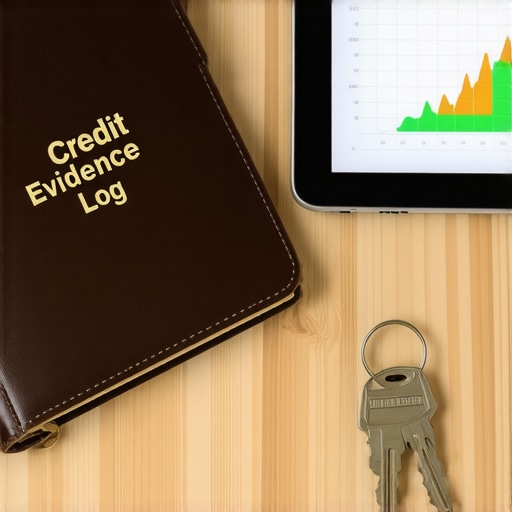
How can I keep my score from dipping once it reaches the top?
Consistency is your best friend here. Maintenance is essentially a monthly pulse check where you verify that nothing has changed without your permission. I spend fifteen minutes on the first of every month reviewing my reports for ‘ghost’ accounts or updated balances. This is the habit of high score achievers checking reports every 30 days. If you stay on top of it, you never have to do the ‘heavy lifting’ of credit repair ever again. You are simply pruning a garden rather than clearing a forest. If you ever feel stuck, you can always refer to the ultimate guide to dispute errors and credit building in 2025 to get back on track.
What the Move to Trended Data Means for Your Future
The landscape of credit is changing rapidly. We are moving away from the ‘snapshot’ era where only your current balance mattered. According to official FICO Research White Papers, the industry is shifting toward models like FICO 10T, which analyzes 24 months of historical behavior. This means the system will look at whether you are ‘trending’ toward more debt or less debt. Understanding the logic behind the fico 10t trended data shift is vital because it rewards those who maintain low balances consistently, rather than just paying them down right before a loan application. If you want to stay ahead of the curve, I highly recommend starting your own evidence log today. Don’t wait for a crisis; start documenting your responsible management now so you have the proof ready if an error ever strikes.
What Years of Fighting Credit Bureaus Taught Me About Winning
Reflecting on my own journey from that first rejection letter to a high-tier score, I realized that the most powerful weapon in credit building is actually patience combined with precision. The system is designed to be a marathon, not a sprint. One of the biggest ‘aha’ moments I had was discovering that the one account you should never dispute on your credit file is often an old, slightly imperfect account that provides your report with much-needed age. Deleting it might remove a small late payment, but it could also slash your average age of accounts and tank your score. I also learned that dispute errors are rarely fixed on the first try; it takes a persistent, calm follow-up to show the bureaus you aren’t going away. Finally, always remember that your score is a living document—it breathes and changes every single month based on the small habits you cultivate today.
Tools I Use to Keep My Financial Reputation Bulletproof
I don’t leave my financial future up to chance or free apps that only give a partial picture. To maintain my results, I rely on a very specific toolkit that I trust implicitly. First, I maintain a physical ‘Credit Bible’—a simple binder for every piece of mail. This is the diy credit repair checklist that outperforms paid services because it ensures I have the exact evidence needed if a bureau ever claims they didn’t receive my documents. I also use a FICO-direct monitoring service to see the same data lenders see. Lastly, I keep a digital calendar reminder for the first of every month to do a 15-minute sweep of my reports. This is the habit that keeps your fico score above 780 every month because it catches potential identity theft or reporting errors before they can do real damage.
Take Command of Your Financial Story Today
You have the power to rewrite your financial narrative, regardless of where you are starting. Whether you are using a toy card to prove your reliability or diving into the ultimate guide to dispute errors and credit building in 2025, every step you take is an investment in your future freedom. Credit is a tool, and once you learn how to handle it properly, you stop being a victim of the bureaus and start being the architect of your own opportunities. Don’t let the complexity of credit repair intimidate you; take it one statement date at a time. What is the biggest hurdle you have faced when trying to communicate with a credit bureau? Let me know in the comments below so we can tackle it together.