

I remember sitting at my kitchen table at 2 AM, the blue light of my laptop screen making my eyes ache. I had everything laid out: my bank statements, a signed letter from my lender, and a clear-cut case of identity mix-up. I was so certain that once I clicked that ‘Submit Dispute’ button on the bureau’s website, the error would vanish. Instead, three days later, I got a notification. ‘Record Verified.’ No human explanation, no apology, just a cold, automated rejection. It felt like I was screaming at a brick wall. I realized then that I wasn’t fighting a person; I was fighting an algorithm designed to save the bureaus money by ignoring the nuance of my life. I had made the classic mistake of thinking the system was built to be fair, but I learned the hard way that if you want a real result, you have to break the machine.
The Reason Your Dispute Letter Is Getting Shredded by AI
The hard truth is that when you send a standard dispute, it rarely reaches a human desk. Most of what we send is fed into a system called e-OSCAR, which translates your complex financial history into a two-digit code. If your evidence doesn’t fit into those narrow boxes, the robot simply ignores it. Early in my journey, I thought volume was the answer—I sent the same letter five times, hoping someone would eventually notice. All I did was get my account flagged as ‘frivolous.’ I had to learn how to stop AI from automatically rejecting your dispute letter by changing my entire strategy. Today, we are going to talk about how to stop being a data point and start being a person in the eyes of the law.
Does a real person even work at these companies anymore?
It is a valid fear. You might feel like the whole industry is just one giant, unfeeling server farm. The National Consumer Law Center has pointed out that many dispute ‘investigators’ at the major bureaus spend as little as 30 seconds on a single dispute. That is barely enough time to read your name, let alone look at a complicated evidence file. This is why you must understand that the ‘investigation’ you are promised is often just a computer pinging another computer. If the other computer says the debt is real, the bureau believes them over you every single time. It sounds hopeless, but there is a specific way to trigger what’s known as a manual review—a process where an actual employee has to look at the paper in your hand.
Why Your Evidence Ends Up in the Digital Trash Can
One of the biggest mistakes I made early on—and one I see my neighbors make all the time—is using the online dispute portal. It is fast and convenient, but it is a trap. When you click those buttons, you are often waiving your right to a full investigation under the Fair Credit Reporting Act. This is why you should never use the online dispute button if you have a serious error to fix. You need to create a paper trail that the automated system can’t easily digest. I found that by using the one document that forces a bureau manual review, I could finally get someone to look at the facts. Have you ever felt like you were providing mountain-loads of proof only for the bureau to tell you it wasn’t enough? You aren’t alone, and it’s usually because your proof never left the digital ‘junk’ folder. To fix this, you need to start keeping the evidence log that forces a bureau manual review, which we will dive into next.
I learned the hard way that a computer cannot argue with a physical receipt. When I was fighting that ‘Verified’ status on a medical bill that clearly did not belong to me, I stopped clicking buttons and started licking envelopes. To get past the e-OSCAR gates, you have to treat your dispute like a high-stakes legal case. First, you must realize that why you should always send dispute letters via certified mail is not just about proof of delivery—it is about creating a legal timestamp that the bureau cannot ignore. When they receive a certified letter, they are legally on a 30-day clock. If they miss that window, they are often required by law to delete the item. Computers lose track of emails in the digital void; humans do not lose certified mail logs because they have to sign for them personally.
Force a Human Review by Stepping Out of the Digital Grid
Think of the credit bureau like a giant, high-speed sorting machine. If you send a standard, templated letter, you are just a thin piece of paper that slides right through the sensors. To stop the machine, you need to be the metaphorical ‘wrench’ in the gears. This means including physical evidence that an automated scanner cannot easily categorize into a simple two-digit code. In my most successful dispute, I included a copy of my driver’s license, a utility bill, and a specific letter from the original creditor showing a zero balance. I did not just toss them in the envelope; I used the evidence log that forces a bureau manual review. I numbered every single page and referenced them clearly in my cover letter: ‘Please refer to Exhibit A, Page 4 for the payment confirmation.’ This structure forces the person on the other end to actually flip through your pages to verify the claim, breaking the 30-second automated cycle.
Stop the Frivolous Flag Before It Starts
The bureaus love to label consumers as ‘frivolous’ if they send too much information too quickly. It is their favorite ‘get out of jail free’ card to avoid doing actual work. I once made the mistake of sending three different letters in two weeks because I was panicked about a mortgage application. All three were rejected instantly without an actual investigation. I had to learn the specific the evidence that stops a bureau from labeling your dispute frivolous. The secret is providing ‘new information’ in every communication. Every time you follow up, you must provide a fresh piece of data—a bank statement, a corrected invoice, or a witness affidavit—that they have not seen before. If you just repeat your previous letter, the AI wins every time.
The Small Balance Secret for an Instant FICO Bump
While you wait for the dispute to clear—which typically takes 30 to 45 days—you should be optimizing the accounts that are already in good standing. Most people assume a $0 balance is the perfect target, but the FICO algorithm actually prefers to see a tiny bit of activity to prove you are using your credit responsibly. This is where the small balance hack that adds 20 points to your fico comes into play. I remember my own score jumping nearly 20 points in one month just by letting a $10 charge report on one single card while paying the others down to zero. It signals to the system that you are active but highly disciplined. Understanding how a 10 balance can protect your credit score from dropping is the easiest way to buffer your profile while the heavy lifting of the manual dispute process happens behind the scenes.
I once worked with a neighbor who was obsessed with having a ‘blank’ credit report. He spent months successfully disputing every single negative mark, only to call me in a panic because his score had actually dropped by 40 points. He had fallen for the most common trap in credit repair: the belief that a clean report is a strong report. In reality, credit bureaus aren’t just looking for a lack of mistakes; they are looking for a history of reliability. When you delete a ten-year-old account because of one minor late payment, you are also deleting a decade of stability. This is why understanding the one account you should never dispute on your credit file is more important than the dispute itself.
Don’t Delete Your History Into Oblivion
The ‘Oops’ factor usually hits when people treat their credit report like a chalkboard they can just erase. If you have an old credit card that was closed by the grantor but has eight years of perfect history followed by one ’30-day late’ from five years ago, leave it alone. That account is a foundational pillar for your average age of accounts. Deleting it makes you look like a financial ghost. I’ve found that using the diy credit repair checklist that outperforms paid services helps you identify which items are ‘good-bad’ and which are ‘bad-bad.’ You want to be a surgeon, not a demolition crew. Have you ever fallen into this trap of deleting too much? Let me know in the comments.
Should You Stop Disputing When Your Score Hits 700?
Many people think 700 is the finish line, but this is where the nuances of the new FICO 10T model come into play. Modern scoring algorithms are shifting toward ‘trended data.’ According to FICO’s own technical briefs, these newer models don’t just look at a snapshot of your current balance; they look at whether your balances are growing or shrinking over a 24-month window. This is the logic behind the fico 10t trended data shift that catches advanced builders off guard. If you resolve a dispute but your overall debt trend is rising, your score might stagnate. It is no longer enough to just fix errors; you have to manage the trajectory of your debt. This is often the hidden reason why your score fell after you paid off your student loans—the algorithm lost a predictable, long-term trend line that it used to calculate your reliability.
Watch Out for the Trended Data Trap
If you are serious about hitting that elusive 800 mark, you have to stop thinking about your credit as a static number and start viewing it as a living resume. The biggest mistake I see at this level is ‘over-disputing.’ If you challenge every small detail, the bureaus may place a ‘dispute comment’ on your file. While the dispute is active, those accounts are often excluded from FICO calculations. This can create a temporary, fake inflation of your score that collapses the moment the dispute is settled. This ‘phantom score’ can lead to a mortgage rejection at the very last second. Instead of chasing perfection, focus on accuracy and the long game. Have you ever seen your score jump up and then crash back down after a dispute? It’s a frustrating cycle, but mastering the nuance is the only way to break it for good.
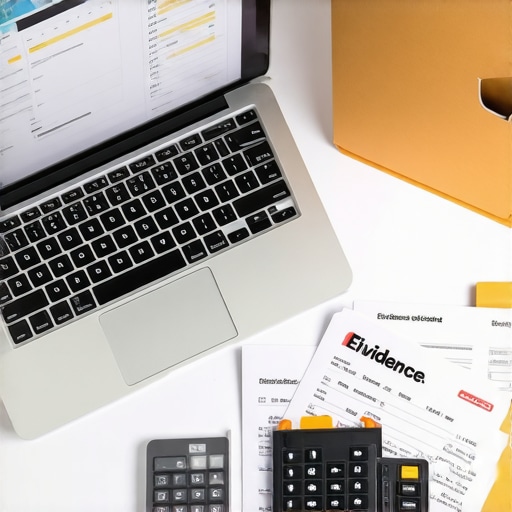
Once you have broken through the initial wall of automated rejections, the game shifts from defense to long-term maintenance. I used to think credit repair was a one-and-done event, but it is actually a seasonal maintenance task, like changing the oil in your car. To keep things running, I rely on a physical Credit Evidence binder. Every letter I send, every certified mail receipt, and every response from a bureau gets hole-punched and dated. This is not just me being old-school; it is about having a ready-to-go arsenal if an old error tries to resurface. The Metro 2 reporting format, which is the technical standard used by the Consumer Data Industry Association (CDIA), is incredibly complex. Sometimes a deleted item can reappear simply because a data furnisher’s software did not update their internal records correctly, and having your paper trail ready is the only way to stop it instantly.
I often get asked about automation. There are dozens of apps out there promising to do the work for you, but you have to be careful. I have seen people tank their progress because of the danger of using credit repair software without a plan. These tools often blast out disputes to every bureau simultaneously, which is the fastest way to get your file flagged for suspicious activity. Personally, I use a simple spreadsheet to track my Statement Dates versus my Due Dates. Understanding why your credit card statement date is a critical number changed everything for me. It is the day the bank takes a snapshot of your balance to send to the bureaus. If you pay your bill after that date, even if you pay in full, the bureaus see a high balance. I pay mine three days before the statement closes to ensure they report a 1% utilization.
Looking forward, the landscape is becoming even more data-heavy. We are moving toward a world where systems like UltraFICO or VantageScore 4.0 look at your bank account balances in real-time. This means the old tricks of hiding a balance will not work as well. To stay ahead, you need to adopt the habit that keeps your fico score above 780 every month, which involves more than just paying bills. It is about checking your own work. I set a calendar alert for the first of every month to do a quick scan. This is the habit of high score achievers checking reports every 30 days that prevents small errors from becoming mortgage-killing monsters.
How do I stay ahead of the bureaus once my score is high?
The best way to maintain your results is to stop being a passive consumer. You should treat your credit report like a business ledger. At least once a quarter, you need to sit down and perform a deep dive into the Data Furnisher section of your report—this is the part that lists who is reporting what. I highly recommend you learn how to audit your own credit report for 10 common mistakes, such as mismatched addresses or slightly misspelled employer names. These small discrepancies are often the hooks that AI systems use to merge your file with someone else’s. My advanced tip: Pull your report and highlight every single piece of personal information that is not 100% current. Disputing those old addresses first is the secret easy win that makes future disputes much more likely to succeed.
The Day I Realized the Bureaus Aren’t Actually Investigators
For years, I believed the lie that the credit bureaus were neutral referees making sure everyone played fair. My biggest lightbulb moment was accepting that they are for-profit data brokers who view your dispute as an expense to be minimized. This shift in mindset changed everything. I stopped asking them for help and started demanding accuracy under the law. One thing I learned the hard way is that the letter that proves the bureau failed their investigation is often your strongest weapon because it shows you know the rules of the game better than their entry-level staff do.
Another hard lesson? The speed of your dispute matters less than the quality of your evidence. I used to rush to send letters, but now I know that how to dispute multiple errors on one report without getting flagged involves being surgical. If you throw ten things at the wall, they label you a credit repair mill. If you focus on the two most damaging errors with overwhelming proof, they have no choice but to fold.
The Gear That Turned My Manual Disputes into Automatic Wins
If you want to win, you have to stay organized. I don’t trust apps for the heavy lifting anymore. My first recommendation is a simple physical Credit Evidence binder. There is something about having a stack of certified mail receipts that makes you feel more in control. Secondly, I always keep the diy credit repair checklist that outperforms paid services on my desk. It keeps me from making emotional mistakes when I’m frustrated by a rejection. Finally, use a calendar to track your statement dates because the best day of the month to pay your credit card bill is usually three days before that snapshot is taken.
#IMAGE_PLACEHOLDER_E#
Take Back Your Name from the Algorithm
You are more than just a 2-digit code in the e-OSCAR system. While the bureaus want you to believe that the process is automated and final, the truth is that persistence—paired with physical paper trails—breaks the machine every time. By mastering credit repair dispute errors and fico optimization, you are not just fixing a number; you are reclaiming your financial reputation. It takes time, and it definitely takes some stamps, but the freedom of a clean report is worth every envelope you lick. Have you ever had a dispute verified as ‘correct’ even when you had the proof in your hand? Let me know in the comments below!