
Credit Repair & Building: Proven Strategies to Boost Your FICO Score
I remember the exact moment I stared at my credit report and felt that sinking knot in my stomach. Despite paying my bills on time and trying to be responsible, my FICO score stubbornly refused to budge. It was as if I had a financial barrier blocking any opportunity for better loans, lower interest rates, or even simple peace of mind. That realization hit hard — I was missing out, and I knew I had to change my approach.
Why Your FICO Score Could Be the Key to Unlocking Better Financial Opportunities
Your credit score isn’t just a number — it’s the gatekeeper to many of your financial dreams. A higher FICO score can mean the difference between securing a mortgage for your dream home or being stuck renting indefinitely. But what many people don’t realize is how easily credit errors and overlooked mistakes can drag your score down without your knowledge. Early on, I made the costly mistake of ignoring those small discrepancies on my report, thinking they weren’t worth disputing. It wasn’t until I learned that over 20% of consumers have errors on their reports that could be costing them *hundreds of dollars* in higher interest rates (source: [FICO’s own research](https://creditclaritys.com/understanding-credit-errors-a-step-by-step-guide-to-fico-improvement))
If you’re like I was, you might be asking yourself, “Is fixing my credit really worth all this hassle?” Or worse, “Can I really improve my score without hiring expensive credit repair services?” I get it — the process can feel overwhelming, confusing, and even a little discouraging. Trust me, I’ve been there.
The good news is, with proven strategies and some simple steps, you can take control of your credit health. Today, I’ll walk you through how disputing errors and understanding credit reports can dramatically boost your FICO score — no magic, just **smart, effective action** that anyone can take. If you’ve ever felt trapped by a low score or unsure where to start, keep reading.
Ready to dive into practical steps that can turn your credit around? Let’s unpack what really works and how I finally cracked the code to a stronger, more trustworthy credit profile.
Identify and Review Your Credit Report Carefully
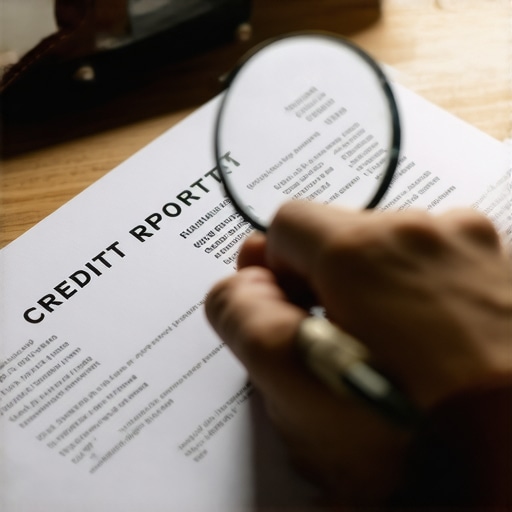
The first move is to get a comprehensive look at your credit report from all three major bureaus—Experian, Equifax, and TransUnion. Treat this step like a detective scanning for clues. During my own process, I ordered my reports through annualcreditreport.com, which provides free access once a year. I set aside time to review every detail, looking for discrepancies or unfamiliar accounts. Remember, errors can be as small as misspelled names or outdated addresses, and unfortunately, these minor issues can significantly drag your score down.
Spot Discrepancies and Understand Their Impact
Once you have your reports, focus on identifying inaccuracies. For example, I found a closed account still marked as active, and a credit limit that was incorrectly listed. These errors are like faulty gears in a machine—they interfere with the smooth functioning of your credit profile. The importance of understanding how errors impact your FICO score cannot be overstated. Faulty data can lower your score by dozens of points, and correcting these inconsistencies can reset your progress. To grasp the nuances, consider reviewing a detailed guide on disputing credit errors.
Dispute Errors Systematically and Persistently
After pinpointing inaccuracies, initiate the dispute process with each credit bureau. Think of this as a repair job, where you need to provide evidence—like bank statements or receipts—that support your claim. I gathered documentation for each error, took clear photos, and drafted concise dispute letters. Filing disputes online often expedites the process, and I recommend tracking all correspondence and responses meticulously. Remember, different errors may require different strategies, and being persistent can pay off. For in-depth dispute techniques, see effective credit repair tips.
Follow Up and Confirm Corrections
Once you’ve submitted your disputes, monitor their status; this is where patience and vigilance come into play. Credit bureaus have timelines—usually around 30 days—to investigate and respond. During my experience, I set calendar reminders and checked my email regularly for updates. If a correction is approved, ensure that the change is reflected across all reports. Sometimes, a bureau might only update one report while others lag behind. Cross-verify each one. After the corrections, you’ll see an immediate impact, often boosting your score by several points. To speed this up and learn more about dispute success stories, visit dispute error fixes.
Build Your Credit Store Strategically
Correcting errors is a vital step, but proactive credit building amplifies your score. Pay down existing debts, keep balances low, and avoid opening multiple new accounts at once—think of it as seasoning a dish slowly for the best flavor. I prioritized paying off a couple of small collections, which I had previously ignored, and kept my utilization below 30%. Over time, these positive actions formed a solid foundation that improved my creditworthiness. For expert-approved strategies, check out credit building tips.
Stay Vigilant and Keep Improving
Your credit journey doesn’t end after fixing errors. Regularly review your reports, stay disciplined with your payments, and look for new ways to enhance your financial health. As I continued to monitor my report, I noticed my score gradually climbing, giving me confidence to pursue better loan terms. Remember, credit repair is a marathon, not a sprint. For ongoing guidance, explore top dispute strategies and stay ahead of any new errors that might pop up.
 Many people believe that simply paying bills on time guarantees a high FICO score, but the reality is far more nuanced. For example, some assume that paying only the minimum balances on credit cards won’t damage their score. However, high utilization ratios—regardless of timely payments—can significantly lower your score. This misconception often leads to overlooked opportunities for strategic credit management, such as paying down balances before they report. Additionally, a prevalent myth is that old, paid-off accounts no longer impact creditworthiness—that’s false; age and history are key factors in credit scoring. Understanding these nuances is crucial because misinformation can result in missed opportunities to optimize your score. Did you know that small errors on your report, like outdated addresses or incorrect account statuses, can lead to a lower score? Many overlook these details, but correcting such inaccuracies can elevate your credit prospects. Disputing errors systematically, as outlined in our guide on credit errors, can accelerate your progress. Moreover, some believe that fetching only one free report per year suffices, but reviewing all three bureaus regularly can uncover discrepancies missed elsewhere. The key is to approach credit management with an eye for detail and an understanding of how various factors interplay. This depth of knowledge empowers you to avoid common pitfalls and take strategic actions that genuinely boost your FICO score, such as correcting errors, managing utilization, and understanding the significance of account age. Have you ever fallen into this trap? Let me know in the comments, and explore more at credit repair secrets.Once you’ve successfully disputed errors and built a solid credit profile, the journey doesn’t end—maintenance is key. To keep your FICO score on track, I rely on a combination of specialized software, financial tools, and disciplined habits. Selecting the right equipment can make this process automated, less stressful, and ultimately more effective.
Invest in Monitoring Software for Consistent Oversight
My go-to tool is Credit Karma, not just for free credit scores but for real-time monitoring of my credit profile. It alerts me instantly if there’s any suspicious activity or unexpected changes, which helps prevent fraud or accidental errors from impacting my score. Another essential service I use is Experian’s Advanced Credit Monitoring, which provides detailed insights, including credit reports from all bureaus and notifications on any new accounts or inquiries—an invaluable feature that aligns with recommendations from our guide on understanding credit errors. Staying vigilant prevents small issues from snowballing into major setbacks.
Automate Payments to Maintain Payment History
Automatic payments are a game-changer for maintaining consistent, on-time payments. I set up automated transfers for all my bills, including loans, credit cards, and utilities. This habit reduces the risk of late payments, which can significantly harm your score over time. Plus, most banking apps and credit card providers now offer scheduled payments, making it effortless. This proactive step ensures your payment history remains pristine—since FICO prioritizes punctuality—as highlighted in our credit repair strategies. Consistent payments are your foundation for long-term credit success.
Leverage Budgeting Tools to Keep Utilization Low
High credit utilization is a common pitfall that drags down scores, even with perfect payment history. I use YNAB (You Need A Budget) to track my expenses and ensure I don’t exceed 30% of my credit limits. By regularly monitoring my balances, I can pay down high-utilization accounts before they report. This practice directly correlates with tips from our strategies on credit building aimed at boosting FICO scores sustainably. Keeping utilization low is an ongoing effort, but with these tools, it becomes manageable.
Where do I see the future of credit management heading?
Advancements in AI and machine learning will likely offer even more personalized credit advice, early detection of report issues, and real-time score optimization suggestions. As automation becomes more sophisticated, consumers will benefit from proactive monitoring and automated debt management. To stay ahead, I recommend regularly reviewing trusted blogs like our comprehensive repair guide and embracing innovative tools that streamline the process.
How do I maintain my credit over time?
Consistency is your best friend. Regularly check your credit reports for errors by visiting our detailed guide. Continue automating payments, keeping balances low, and diversifying your credit mix responsibly. By developing these disciplined habits and utilizing the right tools, you’ll reinforce your hard-earned credit gains and set yourself up for long-term financial health. Don’t wait for a problem to arise—be proactive in your credit maintenance. Start today by reviewing your report in detail and setting up automatic payments to cement your progress. Want a tailored plan to keep your credit healthy? Reach out through our contact page and let’s craft your personalized strategy.
What I Wish I Knew at the Start of My Credit Repair Path
One of the most profound lessons I discovered is that patience is your best ally. Fixing credit errors and building a solid score isn’t an overnight task; it’s a marathon that requires consistent effort and steady persistence.
Another insight was understanding the importance of meticulous review. Small discrepancies on your report—like outdated addresses or erroneous account statuses—can silently hinder your progress unless you uncover and dispute them. Learning to scrutinize every detail has been a game-changer for me.
Lastly, I realized that proactive prevention surpasses reactive repair. Regular monitoring using trusted tools, automating payments, and managing utilization diligently help maintain a healthy credit profile in the long run. Embracing these habits early saved me time, stress, and money.