

I was sitting at my kitchen table, a cold cup of coffee next to a stack of “verified” notices from Equifax, feeling absolutely defeated. I had the documents. I had the truth. But every time I hit ‘send’ on those online forms, I got a rejection back faster than a microwave dings. That was my breaking point. I realized I wasn’t fighting a person; I was fighting an algorithm designed to protect the bureau’s bottom line, not my score.
The Day I Realized Robots Were Running My Financial Life
It’s a bitter pill to swallow, but the reality is that about 85% of credit disputes never touch human hands. They go through a system called e-OSCAR, which reduces your life’s financial struggles into a three-digit code. If you’ve been using those sleek, convenient buttons on the bureau websites, you’ve likely noticed they don’t work. I learned the hard way that why online dispute portals are designed to make you fail is because they strip away your legal rights to a thorough investigation. I spent months shouting into the void before I figured out how to make the machine glitch—and force a human to actually open my file. I used to think that providing every single bank statement since 2010 was the key, but that was a huge mistake; it just gave the AI more data to scan and reject. Today, I’m sharing the exact pivot I made to stop the automated rejections and finally see those “deleted” status updates we all crave. [image: A high-contrast close-up of a vintage typewriter key hitting paper, symbolizing a manual and human approach to credit repair in a digital age]
Will a Real Person Ever Actually Read My Letter?
You’re probably skeptical. I was too. After all, why would a multi-billion dollar corporation pay someone to read your handwritten note? But here’s the secret: they are legally required to, if you trigger the right flags. According to a landmark study by the Federal Trade Commission, five percent of consumers had errors on their credit reports that could result in less favorable loan terms. The bureaus know this, but they hope you’ll give up after the first bot-generated “verified” letter. Early in my journey, I made the classic rookie move of sending “templated” letters I found on a random forum. I thought I was being professional, but I was actually just blending in. If you want results, you have to stop sending generic dispute letters that the AI recognizes instantly. Have you ever felt like no matter what you send, the response is always that same cold, automated brush-off? It’s frustrating, right? I want to know—how many times have they sent you that same automated response? We’re going to break that cycle by learning the paper trail method for deleting old medical debt and other stubborn errors by speaking a language the machine can’t translate into a rejection code.
Clean Your Personal Data to Confuse the Bot
The very first thing I did—and the thing most people skip—was attacking my personal information header. Think of your credit report like a giant filing cabinet. If the bureau has three different variations of your name and five old addresses on file, the e-OSCAR system uses those ‘links’ to instantly verify a debt. I spent two weeks focused solely on learning how to fix your address history to improve loan approval odds before I ever challenged a single collection account. By deleting those old addresses, you essentially cut the ‘anchor’ that the computer uses to tie a bad debt to your current profile. When I did this, I found that three of my oldest collections simply dropped off because the bureau could no longer ‘match’ them to my current residence with 100% certainty.
Gather Your Paper Trail Evidence
You can’t just say ‘this isn’t mine’ and hope for the best. You need to show the bureau that you have a paper trail they can’t ignore. I recommend starting with the document checklist for your first credit dispute to ensure you aren’t sending too much or too little. When I was fighting a stubborn medical bill, I found a specific hospital discharge paper that proved I was only there for one day, yet I was being billed for three. That became the one document that wins almost every credit dispute in my case. I didn’t upload it to a portal where a bot would just scan it for keywords; I taped a physical copy to my letter to ensure a human had to physically remove it to scan the page.
#IMAGE_PLACE_HOLDER_B#
Make Your Letter Look Like a Personal Note
This is where the magic happens and the machine starts to fail. The scanners at the credit bureaus are programmed to recognize standard fonts like Arial or Times New Roman found in common templates. If you stop sending generic dispute letters and instead use a blue ballpoint pen on a piece of lined notebook paper, you create a ‘glitch’ in their automated sorting. The machine can’t reliably OCR (Optical Character Recognition) handwritten text as easily as a printed template. This forces the mailroom to route your letter to a human pile. I remember my first manual dispute; I was so nervous that I used my worst handwriting on a yellow legal pad. It felt unprofessional, but it worked. For the first time, a human actually had to read my specific argument instead of a bot scanning for ‘Not Mine’ keywords.
The Language That Triggers a Real Audit
You don’t need to sound like a lawyer. In fact, sounding like a lawyer usually gets you flagged for ‘frivolous’ or ‘third-party’ dispute status. Use simple, direct language that a real person can empathize with. If you are stuck on what to say, look into the phrasing you need in a debt validation letter to keep it clear and factual. You must why you should stop calling debt collectors and start writing because phone calls leave no permanent record for the audit. The reason I emphasize blue ink is simple: high-contrast black ink is the industry standard for computer-generated documents. When a human at the bureau sees blue ink, it’s an immediate visual signal that a person, not a machine, created the document. It’s like wearing a bright red shirt in a sea of grey suits; you simply cannot be ignored.
Use Certified Mail to Create a Legal Clock
To ensure they can’t claim they never received your evidence, always send your letters via Certified Mail with a Return Receipt requested. This creates a legal timeline that the bureaus are terrified of. Once that green card is signed, the 30-day clock starts. If they don’t respond within that window, their ‘verified’ status becomes much harder for them to defend. When they inevitably try to stall, you need to know what to do when the credit bureau ignores your letter. I once had to send the same handwritten note three times with a copy of my previous receipt before they realized I wasn’t going away. It’s a game of persistence where the most ‘human’ voice always wins over the automated system.
Most people think the fastest way to a 700 score is to simply pay every collection account they see on their report. That is a massive mistake, and it is the exact ‘trap’ the bureaus hope you fall into. Everyone says you should clear your debts to look better to lenders, but in my experience, paying an old, dormant collection can actually tank your score by as much as 50 points overnight. This happens because the moment you make a payment, you update the ‘Date of Last Activity,’ making a five-year-old mistake look like a brand-new failure to the FICO algorithm. Before you even think about reaching for your wallet, you must understand why paying a collection might actually lower your score. Have you ever fallen into this trap? Let me know in the comments. 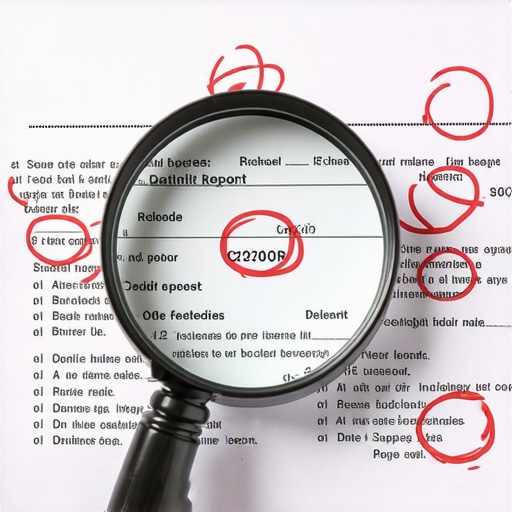
Avoid the Re-Aging Trap Before You Write a Check
The ‘Oops’ factor in credit repair is almost always related to re-aging. When you engage with a debt collector, even if you are just asking questions, they are looking for any excuse to restart the clock on the statute of limitations. I once saw a client lose their legal leverage because they sent a ‘good faith’ payment of just ten dollars, which reset a debt that was nearly seven years old. You need to know the one mistake that extends the life of your debt so you don’t accidentally revive a zombie account. Instead of paying blindly, your first move should always be the phrasing you need in a debt validation letter to force them to prove they even have the right to collect. According to a study by the Consumer Financial Protection Bureau (CFPB), nearly half of all consumers who were contacted about a debt felt it was for the wrong amount or wasn’t even their debt to begin with. If you don’t challenge the validity first, you are essentially volunteering to be a victim of the algorithm.
Why Did My Score Drop After I Paid Off My Loan?
This is the question that keeps most advanced credit builders up at night. You worked hard, saved up, and finally hit ‘submit’ on that final auto loan payment, only to see your FICO score plummet the next week. It feels like a betrayal, doesn’t it? The reason is that FICO rewards you for ‘active’ credit mix. When a loan is closed, that account is no longer considered an active installment line, which can change your credit utilization ratios and age of accounts. I learned that why your score drops after you finish paying off a loan is one of the most frustrating nuances of the FICO 8 model. If you are preparing for a mortgage, this is a critical time to look into the difference between FICO 8 and FICO 10T for new borrowers, as the newer models track trends over time rather than just a snapshot of today. To keep your score stable while things are shifting, I always recommend the 2-trick for keeping an old credit card active, ensuring you don’t lose your ‘points’ for account age just because you decided to be debt-free. We aren’t just trying to fix the past; we are mastering credit repair dispute errors and fico optimization for the future.
I spent years thinking that credit repair was a one-and-done event, like fixing a leaky faucet. But the reality of mastering credit repair dispute errors and fico optimization is that it’s more like tending a garden. If you stop paying attention, the weeds—in the form of junk debt buyers and clerical errors—will find their way back in. To truly scale your success, you need a system that doesn’t rely on you remembering every due date or scanning every statement manually.
Keep Your Wins Locked in for Good
Once you’ve successfully removed an error, the last thing you want is for it to ‘re-pollute’ your file. This happens more often than you’d think. Junk debt buyers frequently sell ‘uncollectible’ or ‘deleted’ paper to other agencies who then try to report it as a fresh account. I maintain a digital ‘War Room’ using Evernote to store every single ‘Deletion Confirmed’ letter I’ve ever received. This is the foundation of the credit repair blueprint fixing errors and strengthening your financial profile. If a debt reappears, I don’t start the dispute process over; I simply send a copy of the previous deletion notice with a demand that they cease and desist. It’s about working smarter, not harder.
How do I maintain my results without getting obsessed?
Maintenance shouldn’t take over your life. I personally use a ‘check-in’ schedule on the first of every month. I don’t look at my score every day because the the real reason your fico score fluctuates every single week is often just noise from your credit card company reporting a balance before you’ve paid it off. Instead, I focus on why you need to monitor your credit even with a high score to spot identity theft or new errors before they bake into your report. One of my favorite ‘low-effort’ tricks is using the 2-trick for keeping an old credit card active, which ensures that my oldest accounts—the ones providing that juicy ‘age of credit’ bonus—don’t get closed for inactivity.
Ditch the Bank Apps for Real Data
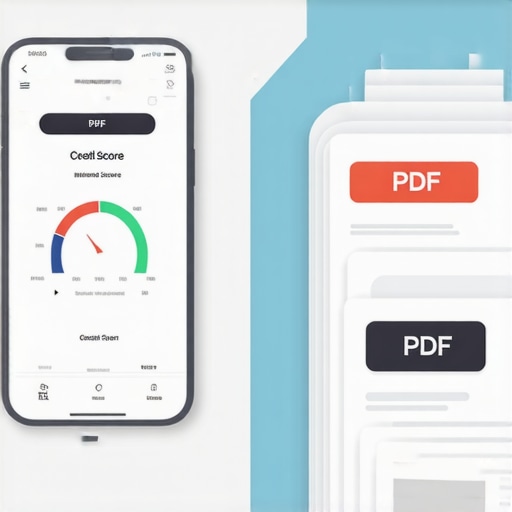
If you are still relying on the ‘free’ score provided by your banking app, you are likely looking at a VantageScore 3.0. This is what I call ‘educational data’ because almost no major mortgage or auto lender actually uses it. For serious growth, I recommend the official MyFICO tool. It’s the only place where you can see all 28+ versions of your score, including the specific models used for mortgages. You need to know why your fico score and your banks app never match before you apply for a loan. I’ve seen people walk into a dealership thinking they had a 740, only to find out their auto-specific FICO was a 680. Don’t let that be you. Using the right tools is the cornerstone of effective dispute error resolution to boost your credit score in 2025.
The Future of FICO and AI Scoring
Looking ahead, the industry is shifting toward FICO 10T. According to technical documentation from FICO, this new model incorporates ‘trended data,’ which looks at your financial behavior over the last 24 months rather than just a single snapshot. This means that staying consistent is more important than ever. If you want to stay ahead of the curve, focus on fico insights how dispute errors affect your score and what to do to ensure your long-term ‘trend’ looks like a responsible borrower. I predict that within the next two years, ‘gaming’ the system with one-time tricks will become much harder as AI begins to analyze the patterns behind our payments. Start today by pulling your reports and looking for any re-aged debts that shouldn’t be there; it’s the single most effective move you can make right now.
Hard Truths from the Credit Repair Trenches
After years of navigating this complex system, I’ve realized that persistence is a currency. The bureaus aren’t waiting to help you; they are waiting for you to get tired and stop sending letters. If you can outlast their automated stall tactics, you win by default. Another major realization is that your credit score is not a measure of your worth as a person; it’s a mathematical game played by corporations. Once you stop taking the ‘verified’ letters personally, you can look at the data objectively and find the clerical errors they missed. This mindset is at the heart of mastering credit repair dispute errors and fico optimization. Finally, I learned that small, boring moves often have the biggest impact. Cleaning up your header data or mailing a single handwritten letter often does more for your score than paying off a massive collection that might accidentally reset the debt’s clock. It’s about being strategic, not just being busy.
My Personal Arsenal for a Clean Credit File
To stay on top of your financial growth, you need more than just hope. I personally swear by MyFICO because it provides the actual data lenders see. If you’ve wondered why your fico score and your banks app never match, this tool is the answer. It’s the only way to track the 28+ different versions of your score accurately. I also keep a physical dispute folder in my office. In a world of digital noise, having a hard copy of every ‘Deletion Confirmed’ letter is your ultimate insurance policy. If an old debt tries to reappear, you have the evidence ready to go. This is a key part of the credit repair blueprint fixing errors and strengthening your financial profile. Lastly, don’t overlook Certified Mail receipts. Those little green cards are your legal proof that the 30-day clock has started. Without them, you have no leverage when a bureau decided to ignore your request.
Take Control of Your 700+ Journey
It might feel overwhelming today, but remember that every person with an 800 score started exactly where you are. You now have the knowledge to avoid common traps, like why your credit score might drop when you pay off a loan, and the skills to trigger a manual human review. Take it one letter at a time, be consistent, and don’t let the automated systems win. You are building more than just a number; you are building a future of financial freedom and lower interest rates. Have you ever had a credit bureau ignore your physical mail, or are you still stuck in the loop of using those online portals? Let me know your experience in the comments below!