
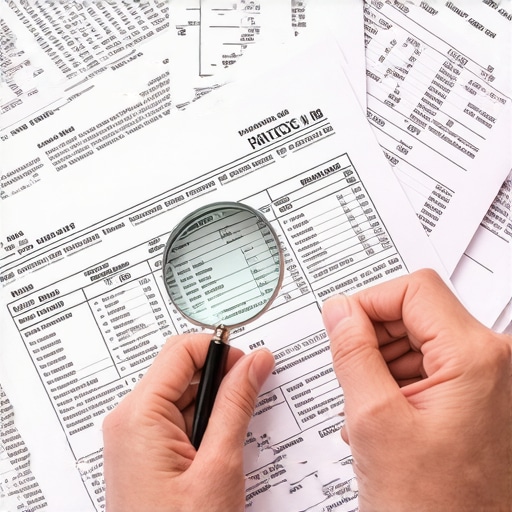
There was a moment in my credit repair journey when I stared at my credit report, eyes fixated on a charge I knew I didn’t make. My heart sank—another mistake, another hurdle. I felt the frustration creeping in, thinking, “How could I possibly correct this?” It was a lightbulb moment. Not only did I realize this wasn’t an isolated issue, but I also uncovered a solid process to challenge and remove false charges from my credit report.
Why Disputing Unauthorized Charges Changes Your Financial Future
Understanding how to dispute a credit charge that isn’t yours isn’t just about fixing a single mistake—it’s about reclaiming control over your financial health. Unauthorized charges or errors on your credit report can lower your score, hinder loan approvals, or even put you at risk of identity theft. If left unchallenged, they can have long-term repercussions. That’s why mastering this skill is essential for anyone looking to build or repair their credit reputation.
More than that, the process isn’t as intimidating as it seems. When I first started, I made a common mistake—believing that disputing was a complicated, bureaucratic nightmare. Turns out, with the right approach, it’s a straightforward process that anyone can learn. In fact, the Federal Trade Commission reports that consumers erroneously see inaccurate information on their reports about 20% of the time, highlighting how vital correct disputing is in maintaining a healthy credit profile. Understanding credit errors is the first step toward fixing them.
Have you ever found a charge or entry in your report that just didn’t belong to you? If so, you’re not alone, and there are proven strategies to fix it. Next, I’ll walk you through the practical steps I took—and you can take—to challenge and ultimately clear those unwanted charges from your credit history. This is just the beginning of regaining your financial confidence and getting on the path to a higher score.
Collect Your Evidence Methodically
Begin by gathering all relevant documentation, such as bank statements, credit reports, and any correspondence with creditors. I remember once pulling my bank statements, only to realize a charge I didn’t recognize matched the date of a suspicious transaction. Scan and organize these documents digitally or physically, ensuring they’re easily accessible during disputes.
Identify and Pinpoint Errors Clearly
Review your credit report meticulously, focusing on entries that seem incorrect. Use a highlighter or digital notes to mark disputed items. For example, I once found a late payment listed six months after I settled the account. Pinpoint details like account numbers, dates, and amounts—these specifics are crucial when crafting your challenge.
Draft a Concise Dispute Letter
Write a clear, factual dispute letter addressing the credit bureaus directly. State the specific error, include supporting evidence, and request correction or removal. I learned to keep my tone professional and stick to facts—avoid emotional language. Mention the relevant laws, such as the Fair Credit Reporting Act (FCRA), to reinforce your case. Remember, disputing online or via mail requires different approaches, but mailed certified letters often carry more weight.
Use Reliable Templates and Resources
If you’re unsure how to structure your dispute, leverage proven templates available online. These templates guide you through including all essential details, increasing your chances of success. For example, I used a template from CreditClaritys that explained my situation effectively and included exact dates and account info, leading to a swift response.
Send Disputes via Certified Mail
Always opt for certified mail with tracking when submitting disputes. This provides proof of delivery and content. When I sent my first dispute, the confirmation receipt became my backup during follow-up conversations, ensuring I had documented my efforts—crucial if the bureau delays or dismisses your case.
Track Responses and Follow Up Promptly
Monitor your mailbox and email for responses from credit bureaus. They typically have 30 days to investigate. If denial or no action occurs, draft a follow-up letter reiterating your evidence and requesting escalation. My persistence paid off when, after a follow-up, a disputed charge was removed within two weeks, significantly boosting my score.
Leverage Dispute Tools and Resources
Consider using dispute platforms that streamline the process or consult guides like credit repair secrets for expert tactics. These resources enhance your understanding and efficiency in challenging erroneous charges, saving time and increasing success rates.
Document Every Step
Maintain a detailed log of all disputes sent, responses received, and actions taken. This record helps track progress and supports any future disputes or credit inquiries. I kept a spreadsheet noting dates, content of correspondence, and bureau responses—this clarity prevented confusion and ensured I followed up timely.
Review and Confirm Corrections
Once a charge is removed, double-check your credit report to confirm the correction is reflected. If inaccuracies persist, escalate your dispute or seek additional remedies. Regular review ensures your credit report stays accurate and your efforts lead to tangible improvements, laying the foundation for better credit health.
Many people believe that disputing errors or building credit is straightforward—simply challenge inaccuracies and watch your score improve. However, this oversimplification overlooks crucial nuances that can make or break your efforts. One common myth is that all credit mistakes are equally fixable through disputes. In reality, unearthing and challenging specific types of errors, such as outdated information or illegal collections, requires knowledge of the subtle distinctions enforced by credit bureaus and laws like the Fair Credit Reporting Act (FCRA). Mistaking a benign late payment for a damaging negative can lead you to waste time disputing innocuous entries, while more serious errors remain uncorrected.
A trap many fall into is assuming that the fastest way to boost FICO scores is through rapid rescore services or pay-for-delete agreements. While tempting, these tactics often carry risks or violate regulations if not executed carefully. The real secret is understanding how various credit factors interact—like the recent emphasis on credit mix and average age of accounts—and how to optimize them ethically. For example, closing old accounts might seem beneficial, but it can actually lower your score by reducing your credit history length. Recognizing these subtleties helps you craft a sustainable, long-term credit strategy.
Another advanced mistake is neglecting the impact of soft inquiries and their role in your credit health. Many don’t realize that frequent, unplanned credit checks—such as those from pre-approval offers—can cumulatively influence your score. Being selective and strategic about when and why you permit inquiries can maintain your credit profile’s integrity.
The most overlooked aspect involves a deeper comprehension of how FICO scores adapt over time and in response to different actions. According to FICO’s own research, approximately 35% of your score depends on payment history and amounts owed, but a surprisingly underestimated 10% relates to new credit activity and inquiries. This nuanced understanding is vital for advanced users aiming to time their credit moves effectively. For instance, applying for a new loan when your score is relatively high can leverage your borrowed capital to build positive payment history, boosting your score further.
Make no mistake: mastering these subtleties can dramatically enhance your credit-building journey. Failing to grasp the deeper mechanics often results in wasted effort or unintended setbacks. I recommend exploring resources like Mastering FICO strategies to gain an edge. Recognize that every action impacts your credit profile differently—and knowing which nuances matter most is what separates amateurs from experts.
Have you ever fallen into this trap? Let me know in the comments. Understanding the complex layers behind credit repair isn’t just for professionals; it’s for anyone serious about reclaiming control over their financial destiny.
How Do I Keep My Credit Progress on Track Over Time
Sustaining your credit repair achievements requires strategic tools and disciplined routines. I personally rely on dedicated software like Credit Karma and Experian to monitor my scores and spot any fluctuations early. These platforms not only provide real-time updates but also break down the factors affecting your score, enabling targeted actions. Additionally, maintaining a detailed spreadsheet of disputes, credit inquiries, and account changes helps me stay organized and proactive in managing my credit profile.
Automating payments through services like Mint or your bank’s auto-pay feature minimizes late payments, a critical factor in FICO scoring. I’ve found that setting up calendar reminders aligned with statement dates ensures I never miss a payment or forget to review my credit reports regularly. Regularly reviewing your reports—at least quarterly—using free tools allows you to catch errors swiftly and dispute inaccuracies before they harm your score.
For dispute efficiency, I recommend leveraging certified mail whenever challenging errors, as it provides tangible proof of your efforts. Remember, consistent monitoring and quick action are key to long-term success. As the landscape of credit scoring continues to evolve, staying informed about changes—like updates to the FICO algorithm—will become increasingly vital. For ongoing education, check out this guide on mastering FICO strategies to refine your approach.
What Tools Will Help You Achieve Long-Term Results?
In my experience, combining credit monitoring tools with a disciplined routine yields the best results. Platforms like Credit Sesame or IdentityIQ offer comprehensive oversight, alerting me to new inquiries or potential fraud. Using these tools, I can act swiftly, reducing the impact of negative events. For example, if I detect an unauthorized inquiry, I dispute it immediately—often within 24 hours—thereby safeguarding my score.
As I project into the future, I believe that AI-driven analytics will further personalize credit management, offering real-time advice tailored to your unique financial habits. Staying ahead of these trends will empower you to adapt swiftly and maintain your credit health effortlessly.
To keep your credit profile optimized, try implementing a monthly review ritual where you check your reports, update your spreadsheet, and adjust your strategies accordingly. Integrating these practices with the right tools will create a resilient system that protects your credit gains for years to come.
Lessons That Challenge What I Thought About Credit Repair and Dispute Strategies
- Not all credit errors are created equal: I learned to distinguish between innocent misreports and truly damaging errors. Spending time disputing benign entries like late payments after settling was a waste; focusing on fraudulent charges or outdated info yielded better results.
- The power of meticulous documentation: Gathering clear, supporting evidence upfront minimized delays. Using verified templates and certified mail proved that professionalism and thoroughness significantly improve dispute success rates.
- Understanding the laws behind disputes: Knowing the FCRA and how credit bureaus operate gave me confidence and leverage. This knowledge prevented me from wasting effort on disputes doomed to fail and helped me craft compelling, law-backed letters.
- Timing matters more than quick fixes: Strategic application of credit moves, like timing inquiries or debt payments, can have a bigger impact than rushing into temporary solutions like rapid rescoring.
- Continuous monitoring is your best ally: Regularly reviewing reports with reliable tools allowed me to catch errors early and keep my credit health on track—turning a reactive process into a proactive safeguard.
My Go-To Tools for Long-Term Credit Growth and Stability
- Credit Karma and Experian: These platforms offer real-time updates and actionable insights. Their detailed breakdowns helped me prioritize disputes and understand score fluctuations better.
- Templates from CreditClaritys: Professionally crafted dispute letters increased my chances of quick responses, saving me time and stress. They also helped me learn the language the bureaus respond positively to.
- Official guides and resources: The FTC’s dispute procedures and legal rights pages provided clarity on my rights as a consumer, empowering me to stand firm in my efforts.
- Organized tracking systems: Whether a spreadsheet or a dedicated app, keeping a detailed log of dispute statuses, responses, and deadlines prevented oversights and duplicated efforts.
Embrace the Journey and Take Charge of Your Credit Future
Your credit success isn’t just about fixing mistakes—it’s about understanding the complex system behind your FICO score and leveraging every available strategy wisely. Each step, from dispute to monitoring, builds a resilient financial profile that can withstand setbacks and grow stronger over time. Remember, the most important part is action—start today, stay consistent, and trust that your diligent efforts will pay off. The power to transform your credit health lies in your hands. How will you begin your next credit repair step? Share your plan below and let’s build that future together.