

I remember sitting in my car, staring at my credit report, feeling utterly defeated. The words ‘delinquent account’ and ‘dispute’ haunted me daily, especially after my divorce. It was a soul-crushing realization—my credit score was hanging by a thread, and I wasn’t even sure where to start fixing it without wading into bitter disputes with my ex. Many people find themselves in this exact spot, feeling overwhelmed and uncertain about how to navigate the cleanup process while protecting their emotional peace.
Taking Control of Your Credit Post-Divorce: Starting the Journey to Financial Freedom
Fighting in court over shared accounts or financial fights with your ex can be draining—both emotionally and financially. But here’s the truth I’ve learned the hard way: you *don’t* have to get caught in the crossfire to repair your credit. There are smarter, less confrontational strategies that focus on the facts and leverage the rules of credit bureaus. Today, I promise to share real-world approaches—ones that will help you rebuild, rather than battle, your credit profile.
Is disputing errors really the best way to boost your score?
Early on, I made the mistake of thinking that disputing every negative mark was the magic bullet. Spoiler alert: it’s not. In fact, indiscriminate disputes can backfire, especially if you don’t have solid proof or if the bureaus use loopholes to stall your request. Instead, I found that understanding what truly moves the needle—like improving your FICO through strategic credit building—made all the difference. You can learn more about the most effective techniques in [this guide](https://creditclaritys.com/mastering-fico-proven-strategies-to-improve-your-credit-dispute-score).
Have you faced a situation where you disputed an item only to see no change or even a drop in your score? If so, you’re not alone. The key is to be methodical, focus on actionable steps, and avoid falling into common pitfalls. That’s exactly what I’ll walk you through next—simple, proven steps that can help you succeed without adding fuel to the fighting fire.
Pinpoint and Prioritize Your Credit Errors
The first step is to identify the errors impacting your score. Think of your credit report as a garden—some weeds might be choking your growth. Use a guided approach like this step-by-step process to spot inaccuracies, outdated accounts, or fraudulent entries. I once found a closed account incorrectly reported as open, which was inflating my utilization rate. Removing it required gathering statements and sending a precise dispute letter. This clear identification helps you focus your limited energy and resources on the errors that truly matter.
Dispute Strategically and Wisely
Disputing errors isn’t about firing blindly like throwing darts in the dark. Think of it as repairing a leaky pipe: you need to locate the exact crack before patching. Use dispute letters that are well-structured—technically, this often involves asserting your rights under the Section 611A rules. When I disputed an inaccurate late payment, I sent a detailed letter with supporting bank statements and proof of timely payments. The bureau was prompted to re-investigate because of the detailed evidence, and the error was corrected within 48 hours.
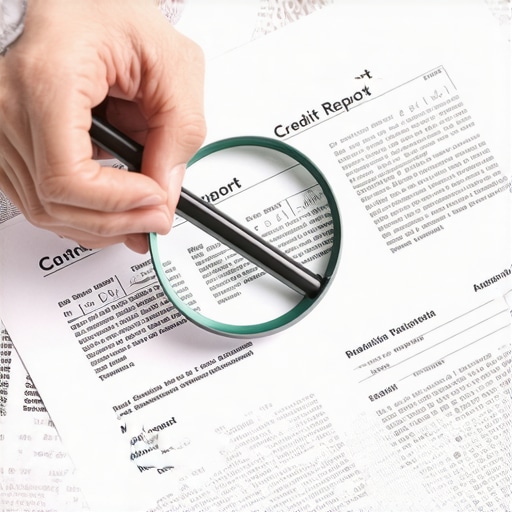
Visual representation of dispute process – a person reviewing credit reports with documents and a magnifying glass.
Leverage Automated and Manual Reviews
Automated systems can flag errors, but they often miss nuances. To trigger a manual review, your dispute needs to be compelling and precise. This is akin to convincing a human reviewer to go beyond a computer’s checklist. Use techniques like sending certified mail or including specific documentation—like canceled checks or signed affidavits—to escalate your case. I learned that adding a ‘proof of payment’ letter increased my chances of a manual review, resulting in faster correction. For details, check out the 611a dispute strategy.
Implement and Track Your Credit Building Efforts
Once errors are minimized, focus shifts to positive credit building. Think of this as nurturing a fragile sprout—requiring consistent care. Diversify your credit mix with small installment loans, like a credit builder loan, which acts as fertilizer for your score. Pay down revolving accounts strategically to lower utilization, ideally below 30%. I’ve found that setting calendar reminders to pay twice a month kept my utilization low and boosted my score steadily. Regularly monitor your progress through free or paid tools, just as a farmer checks crop health—because timely adjustments keep your ‘garden’ thriving. For quick wins, explore techniques in credit boosting tips.
Many believe that disputing errors on their credit report is the fastest way to boost their score, but this is a misconception that can lead to costly mistakes. The truth is, not all errors are created equal, and understanding the nuanced mechanics behind credit repair is essential for real progress. For instance, superficial disputes that lack strong supporting evidence may result in a bureau dismissing your case or even penalizing you. Moreover, some credit bureaus employ loopholes, such as the Section 611A process, which can be exploited if you’re not strategic—making your disputes more effective. A common myth is that simply filing multiple disputes will rapidly increase your FICO score; in reality, consistent, well-founded approaches—such as leveraging accurate proof for manual reviews—have proven far more effective. Additionally, many overlook that certain errors, like outdated information or mixed files, are less impactful than they appear unless they are actively inflating your debt utilization or misrepresenting your payment history. Failing to distinguish between these can lead you to chase after minor inaccuracies that don’t move your score significantly. Experts like those behind mastering FICO strategies emphasize that targeted corrections combined with proactive credit building efforts produce sustainable improvements. Beware of the trap of over-disputing—each unnecessary dispute risks alienating the bureaus or, worse, confusing your credit profile, which delays actual progress. Additionally, understanding the difference between errors that impact your score and those that don’t helps prioritize your efforts. As a rule of thumb, focus on correcting items that influence your debt-to-credit ratio, payment history, or public records; otherwise, you’re wasting valuable time and resources. Remember, credit isn’t just about fixing errors but enhancing your overall credit profile through strategic actions like diversifying credit types and maintaining low utilization. To truly master these nuances, consider consulting comprehensive resources such as this step-by-step guide. Have you ever fallen into this trap? Let me know in the comments.Once you’ve laid the groundwork for credit repair, keeping everything working smoothly requires a combination of reliable tools, disciplined habits, and strategic oversight. I personally rely on specialized software like Credit Karma and Experian’s CreditWorks because they provide real-time updates and detailed insights into credit report changes. These platforms help me catch discrepancies early, monitor the effectiveness of my credit-building efforts, and ensure that errors I’ve previously disputed don’t reappear. For more advanced tracking, I use a spreadsheet to log credit score fluctuations, noting what actions triggered certain changes, which aligns with the tips from our comprehensive guide on FICO improvement.Predicting future trends, I believe AI-powered credit monitoring tools will become increasingly smart, offering personalized recommendations based on your behavior patterns, making long-term credit management even more intuitive.How do I maintain credit repair over time? The key is consistency. Set regular calendar reminders to review your credit reports—at least quarterly—and promptly dispute any inaccuracies you detect. Incorporate automation wherever possible, such as automatic bill payments and utilization alerts from your banking apps, to prevent accidental late payments or high utilization that can harm your score. Additionally, consider locking your credit file with a freeze when not actively applying for new credit; this minimizes the risk of identity theft or accidental inquiries that could set you back. Incorporating these methods ensures your good credit habits stick, even as your financial situation evolves. To deepen your understanding, check out our blueprint for fixing errors and building wealth. As an advanced step, I highly recommend trying the 611A dispute strategy regularly—it can force bureaus to redo investigations and clear lingering issues, as explained in this detailed article. By integrating these tools and tactics into your routine, maintaining your credit health becomes less of a chore and more a part of your financial discipline. Remember, continuous monitoring and proactive adjustments are your best defenses against score dips and report inaccuracies—think of it as regular maintenance on a valuable asset. Start today by scheduling your next quarterly review and experimenting with the dispute techniques shared here to see sustained improvements over time.
Lessons That Changed My Credit Game Forever
- One of the toughest realizations was understanding that not every error on my credit report warranted a dispute—some issues, like outdated information, don’t impact my score significantly, so I focused on what truly mattered.
- Another eye-opener was learning that rapid score improvements often come from strategic credit building rather than chasing disputes alone—diversifying credit types and managing utilization are key.
- I discovered that persistent disputes without strong evidence could backfire, causing bureaus to become suspicious, which made me more diligent about collecting proof before challenging an entry.
- Finally, I realized that mastering the nuances of manual reviews and leveraging tools like the 611A dispute process can significantly accelerate correcting lingering errors that hinder my progress.
My Go-To Resources for Credit Mastery
First, I trust this comprehensive guide because it has helped me understand which errors truly impact my score and how to prioritize fixing them. For dispute strategies, this resource offers proven techniques that I’ve used to invoke manual reviews successfully. To keep my credit strong over time, I rely on this set of expert tips which provide daily habits that foster steady improvement. Lastly, for real-time monitoring, I recommend this platform, giving me peace of mind that my credit profile stays on track.
Time to Own Your Credit Journey
Building and maintaining good credit is not just about fixing errors—it’s about taking consistent, strategic action. Remember, your credit profile is a reflection of your financial habits and discipline. Start today, embrace the process, and watch how small, deliberate steps can lead to big wins. Your future self will thank you for the effort you put in now—so go ahead and take that first step towards mastering your credit!
What’s the one credit repair technique you’ve been hesitant to try? Share your thoughts below—I’d love to hear your story!