

I remember the exact moment it hit me—after months of watching my credit score stubbornly hover in the low 600s, I realized I was missing a simple yet powerful trick. It was a lightbulb moment that changed everything: the strategic use of authorized user status. I had been frustrated, trying every tip in the book from disputing errors to paying down debts, but nothing seemed to get me the jumpstart I desperately needed. That was until I learned how becoming an authorized user on someone else’s credit account could make a real difference, fast.
The Secret Weapon I Wish I Knew Sooner
Leveraging authorized user status isn’t just a sneaky credit hack; it’s a legitimate strategy backed by credit bureaus and lenders alike. When you’re added as an authorized user on a credit card with a good payment history and low utilization, that positive information gets reported on your credit report. Essentially, you get to inherit the account’s good reputation without taking on the debt yourself. This can significantly boost your score—sometimes by dozens of points—in a snap. Want to learn how to harness this powerful tool effectively? I’ll guide you through the ins and outs, based on my own experience and proven tactics.
Is Playing the Authorized User Game Truly Worth the Hype?
Admittedly, I was skeptical at first. I’d heard of people adding authorized users to boost their scores but wondered if it was just a myth or a temporary fix. My early mistake was trusting too easily and not doing enough due diligence. I jumped into it without understanding the nuances, which almost backfired when the accounts I relied on were closed unexpectedly. The key is knowing how to select the right accounts and maintain the strategy wisely. For a detailed understanding of the pitfalls and best practices, check out this comprehensive guide.
By the end of this post, you’ll have a clear roadmap to use authorized user status to dramatically improve your credit profile—fast, safely, and sustainably. Ready to dive in? Let’s get started with the foundational knowledge you’ll need to make this strategy work for you.
.
Make Your Move: Adding the Right Authorized User
First, identify a trusted person with a strong credit history—ideally, a family member or close friend who maintains a low utilization rate and consistent payments. Personally, I reached out to my aunt who had a decade of responsible credit use, and she agreed to add me as an authorized user. This step is crucial because not all accounts report positively; verify if the creditor reports authorized user activity, which you can confirm by checking their online account settings or asking customer service directly.
Verify Reporting Practices Before You Commit
Before you get added, understand how the credit bureaus receive and interpret authorized user information. Some lenders report to all three bureaus consistently, while others do not. To ensure this, review reports like the guide on building credit from zero. Consider requesting a copy of the credit report beforehand to see if the account shows up and accurately reflects the positive payment history.
Request the Addition and Confirm Details
Once the account holder agrees, have them contact their credit card issuer to add you as an authorized user. Ask them to specify that the account will serve as a positive reference, with low utilization and no recent missed payments. After a few billing cycles, verify whether the account appears on your credit report and that the details align with expectations. Use tools or free credit monitoring services to observe any score increases—these changes can sometimes occur within a month.
Maintain the Strategy Without Backfire
Keep in mind, if the primary account holder’s credit health deteriorates—say, they miss payments or max out the card—it can harm your score. I learned this the hard way when my cousin’s financial situation worsened, and his missed payments affected my standing. Regularly review your credit reports through dispute error guides and ensure the account’s activity continues to benefit your credit profile.
Recognize the Limitations and Avoid Common Pitfalls
This tactic doesn’t replace diligent credit habits, but it can be a powerful shortcut. However, avoid becoming overly reliant on it, and don’t forget to focus on paying your debts responsibly and keeping credit utilization low. Remember, the goal is to inherit the positive account behaviors, not to rely solely on superficial fixes. For comprehensive credit-building strategies, consult resources like credit strategies guides. By staying proactive and strategic, you’ll turn authorized user status into a genuine boost rather than a temporary fix.
Many people believe that boosting their credit score is simply about timely payments and reducing debt. However, this oversimplification overlooks nuanced aspects that can make or break your credit journey. One common misconception is that disputing every negative entry on your credit report will automatically improve your score. In reality, disputing errors is a strategic process requiring precision; indiscriminate disputes risk being dismissed or even flagged as frivolous, which can harm your credibility with lenders.
Another frequently overlooked nuance is the difference between soft and hard inquiries. Many believe that all inquiries impact their scores equally, but expert insights reveal that soft pulls don’t hurt your credit at all, while hard inquiries, especially multiple in a short period, can cause noticeable dips. Timing and necessity are critical—know when to lock in a rate or shop for credit without unnecessary damage.
What sophisticated strategies can help avoid common pitfalls during credit rebuilding?
Advanced credit repair isn’t just about fixing errors; it’s about understanding how scoring models weigh each factor. For instance, focusing solely on paying down debt without considering your credit mix or recent activity can result in suboptimal gains. One overlooked tactic is maintaining a diverse credit portfolio—installment loans, revolving credit, and other types—that positively influence your FICO score over time. Additionally, regular, strategic use of credit—avoiding long periods of inactivity—signals healthy credit behavior to scoring algorithms.
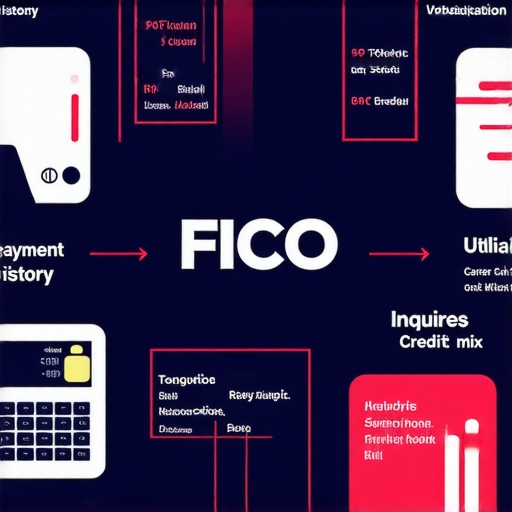
Remember, scores are dynamic, generated by complex models that incorporate numerous variables. Being aware of which factors impact your FICO most—like payment history, utilization rate, length of credit history, and recent inquiries—can guide targeted actions. For example, this detailed guide explains how to prioritize repairs effectively based on your unique profile.
Be cautious: rushing into dispute campaigns without understanding bureau reporting practices can backfire. Some bureaus are slow to update, or might not report certain authorized user accounts consistently, which could lead to false positives or wasted effort. It’s advisable to verify your reports regularly through trusted sources and track the impact of your efforts meticulously.
In summary, truly mastering credit repair requires deep knowledge of the scoring models’ nuances, strategic planning, and avoidance of common myths. This approach ensures sustainable improvements rather than short-term fixes. Are you falling for the myth that more disputes equal faster scores? Let me know in the comments!
Maintain Your Credit Progress with Precision
Keeping your credit profile in top shape requires more than just initial efforts; it demands consistent monitoring and strategic tool use. I personally rely on a combination of advanced credit monitoring software and disciplined routines to ensure my progress is sustainable and scalable.
One tool I recommend is Credit Karma. It’s free, provides real-time updates, and allows me to track changes across all three bureaus without the hassle of multiple accounts. However, for more detailed insights into how disputes affect your FICO score, I turn to this expert resource. It clarifies the nuances of dispute timing and reporting, enabling me to schedule corrections strategically.
Beyond software, maintaining habits like monthly review of your credit report is essential. I use a simple Excel log to record any discrepancies or changes, ensuring I notice patterns or anomalies early. This practice helps prevent long-term issues from small errors or misreported accounts.
How do I maintain my credit health over time?
Consistency is key. I’d advise setting calendar reminders to review your reports every 30 days, checking for any unauthorized inquiries or inaccuracies. Additionally, automating payments for minimum dues prevents missed payments that could damage your score. Incorporating tools like Expense Trackers or financial management apps helps keep your utilization low, which is crucial given its impact on your FICO score. Looking ahead, I believe the trend will move toward AI-driven credit management platforms that offer personalized strategies—making the process even more accessible and foolproof for the everyday user. Start by trying out a dedicated monitoring tool and scheduling regular reviews; these small steps ensure your credit-building efforts remain on course and adapt to any new challenges.
The Surprising Truth About Building Credit Fast
One of the most eye-opening lessons I learned was that leveraging authorized user status isn’t just a quick hack; it’s a strategic move that can accelerate your credit growth when used wisely. I discovered that understanding the nuances—like verifying if accounts report to all bureaus and maintaining low utilization—made all the difference in maximizing benefits without risking setbacks.
Beyond the Basics: What I Wish I Knew
- Chasing after a perfect credit score without strategic insights is like aiming at a moving target. Recognizing which accounts contribute most positively showed me where to focus my efforts.
- Dispute errors carefully—knowing when and how to contest inaccuracies prevented unnecessary dips and preserved my progress. Consult these expert tips to optimize your dispute strategy.
- Monitoring your credit proactively, with tools like Credit Karma or personalized software, enabled me to spot issues early and act swiftly, often recovering points within days.
My Secret Weapon for Lasting Credit Confidence
Consistency and education became my pillars. By regularly reviewing reports, automating payments, and staying informed about how scoring models work—especially the impact of inquiries and account age—I built a resilient credit profile. For a deep dive into these tactics, explore this detailed guide.
Feeling Stuck? Here’s My Bottom Line
Real progress comes from patience, strategy, and continuous learning. Don’t fall for myths like quick fixes or relying solely on dispute campaigns. Instead, combine authorized user leverage with responsible credit habits, and you’ll see sustainable improvements. Remember, every small step adds up—believe in your ability to reshape your credit story.