
I remember the moment vividly—checking my credit report and seeing a paid collection still active, haunting my score like an unresolved ghost. Despite paying off that debt months ago, it stubbornly remained on my report, dragging my score down and dimming my financial prospects. Frustration turned into a lightbulb moment: I realized I lacked the crucial evidence needed to convince the bureaus to update or remove it. If you’ve faced a similar scenario where a paid collection still seems to linger, you’re not alone—and there’s hope.
Why Your Paid Collection Might Still Be Sabotaging Your Credit
Many people assume that paying off a collection automatically clears it from their credit report. However, the reality is often more complicated. Credit bureaus and collectors can hold onto outdated or incorrect information, and without proper evidence, disputes may be futile. I learned this the hard way when I first tried to resolve a paid collection sitting on my report; my claims were dismissed because I didn’t have the right documentation to prove it was paid.
Surprisingly, the Fair Credit Reporting Act (FCRA) mandates that credit bureaus must remove or update outdated or inaccurate information, but they require the right evidence to do so. This is where many stumble, missing key documentation that can make or break a dispute. Ensuring you have the appropriate proof—like cleared payment records or settlement confirmations—is essential to resolving such inconsistencies.
Are you grappling with a paid collection that remains active? If so, you’re probably wondering what evidence is truly effective and how to gather it. Fortunately, understanding what the credit bureaus need can dramatically improve your chances of correction.
In the upcoming sections, I’ll share my personal journey and proven strategies for acquiring the evidence necessary to fix this common credit report issue—and ultimately, enhance your credit score. If you’re ready to take control, let’s dive into the specific types of documentation that can make all the difference.
Gather Critical Documentation Quickly
Think of your credit report as a puzzle—each piece of evidence you collect is a piece that completes the picture of your payment history. For paid collections, the most persuasive proof is a receipt, bank statement, or settlement letter showing the debt was fully paid. When I tried to dispute a collection, I pulled my bank statements for the payment date, confirming I had paid in full. This experience proved that tangible proof challenges the collector’s claim and halts their ongoing reporting.
Identify the Right Evidence Types for Disputes
Not all evidence is equally convincing. A paid invoice or a clear settlement confirmation is stronger than a mere bank statement. Use letters or emails from the collection agency confirming the debt was settled. For example, I found an email receipt from the collector that explicitly stated the account was paid, which I included with my dispute submission. This specificity enhances your chances of success when contacting bureaus or creditors.
Request Your Payment Records from the Creditor
Contact the original creditor or collection agency directly to obtain official proof of payment. Be specific: ask for a formal letter or statement that confirms the account has been settled. When I called, I requested a written confirmation, emphasizing its importance for my credit file. Sometimes, digital receipts or settlement letters from the creditor are the only proofs you’ll need, and requesting these documents is straightforward if you follow a clear script.
Create a Dispute Package That Stands Out
Your dispute package should be concise, well-organized, and include your evidence. Use a cover letter explaining your claim—state that the collection is paid, and provide the supporting documents as attachments. I recommend also highlighting relevant details—such as account numbers and payment dates—to make it easy for the bureau to verify. Sending the packet via certified mail ensures a record of submission, which is vital if further disputes become necessary.
Leverage Power of Legal and Regulatory Resources
If your evidence is valid but the bureau refuses to update, consider referencing regulations like the FCRA. These laws require bureaus to update or delete inaccurate or outdated info upon request. Use your documentation to invoke your rights—better yet, include a template dispute letter from this guide to ensure legal compliance. This tactic often persuades bureaus to act swiftly, especially when backed by solid proof.
Follow Up Diligently Until Resolved
Persistence is vital. After submitting your dispute, track its status regularly. If the bureau rejects your claim, review their explanation, and resubmit with any additional evidence or clarification. During my process, I checked the bureau’s portal weekly and called customer service to confirm receipt. Staying proactive prevents your case from slipping through the cracks and accelerates the correction process.
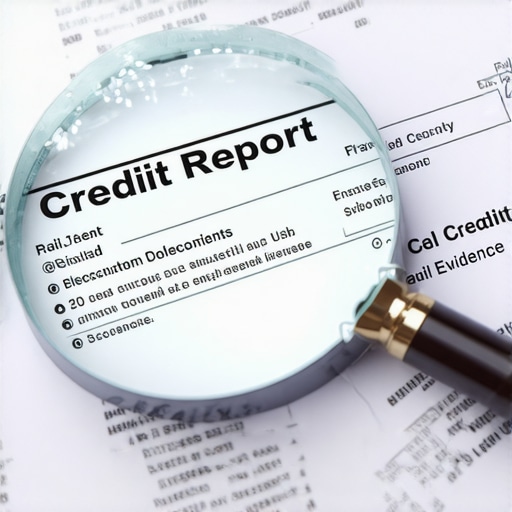
Use a clear visual of a credit report with marked-up sections, illustrating evidence annotations to enhance understanding.
Key Takeaways
Collect official payment proof—receipts, settlement letters, or bank statements—that explicitly confirm your debt is paid. Organize this evidence into a clean dispute package, citing relevant legal mandates. Stay persistent, follow up regularly, and use authoritative guides like this resource to keep your efforts focused. When done correctly, you turn your unpaid collection into history, boosting your credit score.
Even seasoned borrowers often fall prey to misconceptions about credit repair, which can inadvertently sabotage their financial goals. One prevalent myth is that paying off a collection automatically removes it from your credit report. In reality, unless you formally dispute and provide proper evidence, paid collections might still appear and negatively impact your score. This misconception leads many to believe they can settle debts and forget about them, not realizing that the removal process requires proactive dispute strategies backed by solid proof, such as settlement letters or payment confirmation. For more effective tactics, review our comprehensive credit repair guide.Maintaining and improving your credit isn’t a one-time effort; it requires consistent monitoring, strategic use of technology, and disciplined habits. Over the years, I’ve tested various tools that genuinely make this process more manageable and effective. From credit monitoring services to dispute management software, the right equipment can significantly streamline your journey toward a healthier credit profile.
Why I recommend Credit Monitoring Apps
I personally use Credit Karma daily because it’s free, reliable, and provides updates across all three bureaus—Experian, TransUnion, and Equifax. Its real-time alerts help me catch suspicious activity quickly, which is vital in protecting your identity and ensuring your efforts aren’t undone by fraud or errors. Additionally, the platform offers tailored advice on improving your scores based on current data, aligning well with strategies found in our guide.
Dispute Management Software I’ve Tried
For managing disputes efficiently, I rely on Lexington Law’s dispute platform. Although I don’t endorse paid services blindly, I appreciate their structured approach, especially their document tracking and automated dispute letter generation features. The ability to organize evidence systematically and track responses ensures I stay proactive, which is crucial given that mastering FICO requires persistent effort.
Long-Term Strategies Using Budgeting and Record-Keeping Tools
Maintaining good credit also depends on disciplined financial habits. I utilize Mint for budgeting because it automatically categorizes expenses, helping me keep track of payments that influence my score, such as mortgages, auto loans, and credit cards. Regularly reviewing your financial behavior empowers you to avoid mistakes that could hurt your score, especially when trying to build credit fast.
Predicting the Future of Credit Tools
As technology evolves, I believe we’ll see more AI-driven platforms that not only monitor your credit but also provide personalized action plans, predict score movements, and suggest optimal times for major applications or debt payments. The integration of blockchain could also heighten security and transparency in credit reporting, reducing errors like outdated medical entries or duplicate accounts, as detailed in this guide.
How do I maintain credit health over time?
persistent monitoring, leveraging the latest tools, maintaining discipline, and staying informed about your credit profile are key. Don’t forget to regularly review your report, dispute inaccuracies promptly, and keep debt levels low—these are the foundational steps for long-term success. To start, I encourage you to try out an advanced tip like setting up automated alerts for changes in your credit report—it’s simple but highly effective in catching unauthorized or erroneous activities early. You can explore options like this DIY checklist to improve your dispute efficiency and maintain your credit health.
Uncovering Hidden Pitfalls in Credit Fixing That I Was Leased Into
One of the hardest lessons I learned is that not all paid collections automatically vanish from your report—without proper evidence, you’re spinning your wheels. I previously believed settling a debt meant the issue was over, but the bureaus often need proof like settlement letters to officially update their records. Missing this step can mean months of waiting with the problem still in place, impacting your scores and credit opportunities.
Another insight is that disputing online may seem quick, but it often lacks the personal touch that can make a difference. I found that mailing certified dispute packets with clear evidence, organized meticulously, and referencing specific laws like the FCRA, gave my cases the edge. This personal effort has a real payoff in the form of faster and more successful outcomes.
Lastly, I discovered the significance of proactive follow-up. Checking your dispute status weekly and calling to reaffirm the process keeps your case top of mind for bureaus and agencies. Patience combined with persistence proved to be an invaluable strategy that I wish I had known from the start.
Tools and Resources That Transformed My Credit Strategy
To stay on top of my credit health, I rely on Credit Karma. Its real-time updates across all three bureaus help me catch errors quickly. For dispute management, Lexington Law’s platform has streamlined organizing evidence and tracking responses effectively. These tools combined give me confidence in my ongoing efforts to improve my credit standing.
Beyond digital tools, I highly recommend reading authoritative guides like this comprehensive credit repair resource for detailed strategies. They provide step-by-step advice that makes complex processes manageable, especially for someone seeking to fix credit errors without falling into scams or misinformation.
Maintaining a disciplined approach with budgeting apps like Mint, and staying informed through educational articles, lays the foundation for lasting credit health. Always remember, your credit journey is ongoing—equip yourself with the right tools and knowledge to navigate it confidently.
Your Next Step in Taking Control of Your Credit Future
Empowered by lessons learned and resources trusted, you’re now better prepared to tackle any credit report challenge. The road to a stronger credit profile is ongoing, but with patience and perseverance, you can turn setbacks into stepping stones. Start by gathering your payment proof, organizing your dispute package, and following up diligently—small steps that lead to big improvements.
Now, I want to hear from you: Have you faced a difficult credit dispute that took more effort than expected? Share your experience below or ask for advice. Remember, every step you take brings you closer to your financial goals!