
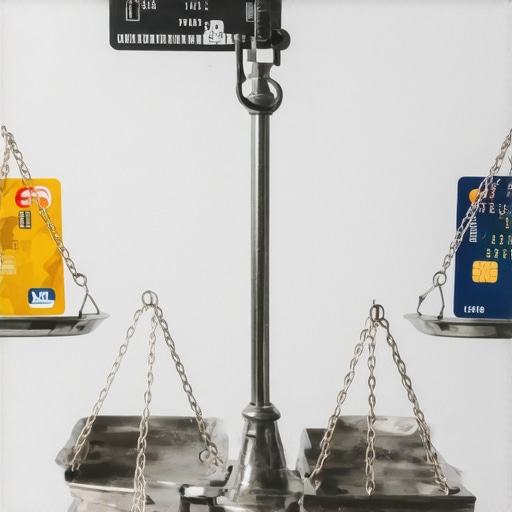
I remember the moment I finally grasped how critical it is to maintain a healthy mix of credit types. It was a frustrating Saturday afternoon, and I was staring at my credit report, confused and overwhelmed. My scores hovered around the same mid-600s, and I couldn’t figure out why, despite paying bills on time, my credit wasn’t climbing. It felt like I was stuck in place, like trying to push a boulder uphill with a toothpick.
Then, the lightbulb went off. I discovered that having a diversified credit profile—mixing credit cards, installment loans, and other types—plays a significant role in boosting your FICO score. Quite simply, it’s not enough to pay bills on time; your credit profile needs variety.
The Hidden Power of a Well-Rounded Credit Portfolio
This revelation changed my entire approach. I started to actively manage my credit mix, adding small installment loans strategically while maintaining my credit card lines. The result? My scores gradually climbed, and I gained more confidence in my financial steps.
But here’s the thing—many folks overlook this crucial aspect and focus solely on paying down debt or disputing errors. That’s a mistake. A balanced credit mix signals lenders that you’re a responsible borrower capable of handling different types of credit, which can unlock better loan terms and interest rates.
Are you facing the same struggle, feeling like your efforts aren’t reflected in your credit score? If so, you’re not alone. Understanding and optimizing your credit mix can be a game-changer.
Is the Hype About Credit Mix Overblown?
I once believed that just paying bills on time was enough—an early mistake I made when I ignored the importance of credit diversity. Successfully improving my score involved recognizing this missing piece. According to a study by FICO, having a healthy mix of credit types can add up to 10-15 points to your score—small, but significant differences that can impact your ability to secure favorable financing.
As we move forward, I’ll share proven strategies on how to craft the perfect credit mix, so stay tuned. The journey to a stronger score starts with understanding these core principles—and applying them wisely.
Start by Assessing Your Current Credit Profile
Review your credit report thoroughly to identify the types of credit you already have—credit cards, student loans, auto loans, or mortgages. Creating a clear picture allows you to see gaps or over-concentrations that might be holding back your score. I once found I had multiple credit cards but no installment loans, limiting my credit diversity. This realization prompted me to consider adding a small auto loan to broaden my profile.
Introduce a Small Installment Loan Strategically
Apply for a manageable installment loan, like a personal loan or auto loan, that aligns with your financial capacity. Ensure you can make consistent payments. When I took out a modest personal loan, I kept payments on track and watched my credit mix improve, resulting in a slight boost to my score. Remember, responsible handling of this debt is crucial—never borrow more than you can repay comfortably. For guidance on managing disputes or errors related to such accounts, visit this resource.
Balance Your Credit Utilization and Payment Timeliness
While adding new credit types, maintain low balances on revolving accounts and pay bills on time. High utilization signals risk, which can negate the benefits of a diversified profile. I remembered reading that a small balance on each card can actually help your FICO score, so I kept my balances under 30%. Consistent payments over time will demonstrate reliability to lenders. To understand how disputes can lower your scores, consider reviewing this guide.
Be Mindful of Your Credit Age and Mix Continuously
Maintain older accounts to boost your credit age, which is a key factor in scoring models. Keep accounts active by making small purchases and paying them off promptly. Over time, a longer credit history combined with a healthy mix solidifies your financial reputation. I learned that closing old accounts can harm my score, so I kept older cards open for the benefits of age and experience.
Monitor, Adjust, and Stay Proactive
Regularly check your credit report for errors or outdated data that could hinder your score—disputing inaccuracies can lead to immediate improvements. I set a calendar reminder to review my report quarterly and corrected a misreported account using the evidence log. By staying vigilant and making strategic moves, you gradually craft a more robust credit profile that lenders trust. Incorporate these steps consistently, and you’ll see your score strengthen over time, unlocking better financial opportunities.When it comes to fixing credit errors and enhancing your FICO score, many believe that filing disputes or correcting errors is a straightforward process. However, let’s dig deeper into some common myths and advanced mistakes that can undermine your efforts. One widespread misconception is that disputing every negative entry will automatically improve your score. In reality, not all errors are worth disputing, especially if they are accurate or cannot be proven wrong, leading to wasted time and potential setbacks. A critical nuance is understanding that the bureau’s dispute process often involves automated systems, which can reject if your evidence is insufficient or improperly presented. For instance, submitting a generic dispute letter without detailed evidence may lead to a quick dismissal, making it seem like the error isn’t fixable. That’s why mastering the art of assembling a compelling case—using specific documents, proof-of-payment records, and leveraging strategies outlined in this guide—can significantly boost your success rate. Frequently overlooked is the importance of manual review requests. Many assume that once an automated system dismisses their dispute, the issue is closed. But, as highlighted in industry analyses, requesting a manual review can expose errors that AI might miss, leading to more permanent corrections. Additionally, many credit builders fixate solely on removing negative items, forgetting that building favorable credit history holds equal weight. Regularly updating and verifying all report entries ensures they accurately reflect your current standing, especially since outdated information can tarnish your profile. One trap to avoid is the over-reliance on dispute software or online tools, which often lack the nuanced approach needed for complex cases. Instead, consider the benefits of a structured, evidence-driven dispute process. According to FICO’s recommended strategies, combining manual review requests with targeted evidence increases overall credibility and chances of success. Ultimately, effective credit repair transcends simple error correction—it’s about understanding how bureaus operate, providing concrete proof, and knowing when to push for manual intervention. This layered approach can help you avoid the trap of superficial fixes and truly strengthen your credit profile. Have you ever fallen into this trap? Let me know in the comments.Maintaining a strong credit profile over the long term requires more than just catching errors or disputing inaccuracies; it involves a well-organized system of tools and habits that ensure your progress isn’t lost over time. I personally rely on a combination of specialized software, proactive monitoring, and meticulous record-keeping to keep my credit building journey sustainable. One tool I swear by is Credit Karma’s monitoring service, which provides real-time updates on my credit scores and alerts me immediately to any significant changes. This instant feedback helps me catch potential errors or unauthorized activity before they cause damage.
Another cornerstone is using Experian’s credit report app for manual review requests when I identify suspicious or incorrect entries. According to industry experts, requesting a manual review can sometimes reveal errors that automated systems overlook, making it a crucial step in long-term credit health.
To keep my dispute process efficient, I maintain a detailed evidence log document. This log catalogs all supporting documents, notes, and correspondence related to every dispute I initiate. Having this organized system has been a game-changer, especially when I need to escalate or revisit disputes after a period of inactivity.
When it comes to preventing errors from recurring, I also use personal finance apps like Mint to track my credit-related activities, ensure timely payments, and keep utilization low. Consistency is key; even small habits like setting recurring payments or alerts help me avoid late payments or missed balances that could undermine my hard-earned progress.
Looking forward, I believe the trend will shift towards more automated, AI-driven monitoring tools that not only alert you to changes but also suggest proactive steps tailored to your credit profile. The future might even see tools that integrate directly with lenders to synchronize efforts in real time, minimizing errors and discrepancies before they even reach your report.
So, how do I maintain my credit over time? The secret lies in employing advanced tools combined with disciplined habits. If you haven’t already, I recommend trying out evidence logging now. It’s one of the most effective ways to stay organized and prepared when disputes arise, ensuring your efforts have a lasting impact. To deepen your credit mastery, explore our comprehensive strategies for ongoing improvement.
Lessons That Changed My Entire Approach to Credit Building
One of the most profound lessons I learned was that simply paying bills on time isn’t enough; diversifying credit types creates a more robust profile that lenders trust. I also discovered that actively monitoring and disputing errors with precision can make or break your score. Lastly, I realized that patience and consistency outweigh quick fixes, shaping my long-term financial health in ways I never imagined.
Tools and Resources That Gave Me an Edge
My go-to resources include The Evidence Log for organized dispute evidence, FICO Mastery Strategies to understand scoring nuances, and Credit Building Tips that align with my goals. These tools empowered me to stay organized, informed, and proactive in my credit journey, which I believe is crucial for success.
Embrace the Journey and Make the First Move Today
Remember, improving your credit isn’t about quick wins; it’s about strategic, consistent efforts that build a trustworthy profile over time. You have the power to take control—start by reviewing your credit report, identifying opportunities for diversification, and implementing the techniques discussed. Your future financial self will thank you for the action you take today.