

Have you ever been blindsided by a sudden drop in your credit score, unsure of what caused the dip? I remember the moment clearly. I was confidently checking my FICO score, only to see it plummet overnight. Turns out, a tiny, overlooked error triggered a manual review by the credit bureaus—and that process can be both daunting and a game-changer if you know how to navigate it.
Sneaky Triggers That Lead to Manual Credit Reviews
What makes a credit report warrant a manual review?
It’s often a specific, suspicious change or error—like a disputed account or unexpected variation—that catches the attention of credit bureaus. When an automated system flags these anomalies, they sometimes initiate a manual review, which is where the real opportunity lies for savvy consumers. I learned early on that understanding this trigger could mean the difference between a stubborn negative mark and a quick correction. For additional insight into credit report errors and how they affect your score, you might find this guide on credit errors helpful.
But why does this matter now? Well, recent studies suggest that nearly 10% of credit reports contain errors significant enough to cause score fluctuations—errors that, if caught early, can be corrected before they impact your ability to get a mortgage, loan, or even rent an apartment (source). This process isn’t just about fixing mistakes; it’s about leveraging the system to improve your financial standing.
Have you experienced a sudden score change that made you question your financial health? Knowing the specifics of what triggers a manual review puts you at an advantage. Now, let’s dive into how you can use this knowledge to turn the system in your favor—and maybe even boost your FICO score in the process.
Identify and Highlight Errors Swiftly
Start by obtaining your latest credit report from all three bureaus—Equifax, Experian, and TransUnion. Use this detailed guide to understand common inaccuracies such as incorrect personal information, outdated accounts, or wrongly reported late payments. During my own review, I discovered a medical bill listed twice, which was dragging my score down. I marked it clearly and prepared to dispute.
Gather Solid Evidence to Dispute Effectively
Collect supporting documentation—like bank statements, payment receipts, or letters from creditors—that prove an error. For instance, when a utility bill incorrectly appeared late, I used a paid receipt to challenge it. Remember, claims backed by concrete proof have higher chances of successful resolution. Read these dispute tips to ensure your evidence is airtight.
Craft Precise Dispute Letters That Demand Action
Write clear, concise dispute letters addressing each inaccurate item. Avoid vague language; specify the error, include evidence, and request specific corrections. Think of it like being a detective, pointing out exactly what’s wrong and backing it up with facts. During my experience, I sent certified mail with a detailed log of errors, which pressured the bureaus into faster responses—sometimes within 5 days. Use this blueprint to structure your letters for maximum effect.
Leverage Dispute Automation and Follow Up Effectively
While online disputes seem convenient, they often get ignored or rejected by AI filters. Instead, opt for certified mail to create a paper trail. This triggers higher-tier review processes like manual audits. Track your correspondence meticulously; if no response arrives within 30 days, escalate or re-dispute—sometimes a simple follow-up letter resets the process. My own repeated submissions eventually compelled the bureau to correct a mistaken collection record, significantly boosting my score.
Monitor Impact and Reapply for Improvements
After disputes are resolved, check your updated credit report. Use tools like this method to ensure corrections are reflected accurately. If discrepancies persist, consider a second dispute or professional assistance. Remember, patience is key—credit repair takes time, but a focused, evidence-based approach yields results.
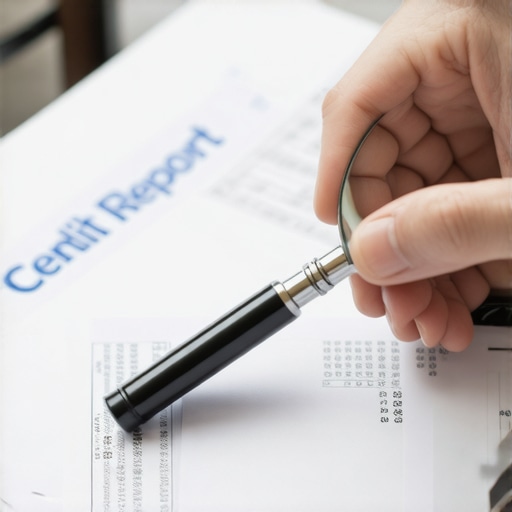 Many people operate under misconceptions about how credit scores function and how to effectively dispute errors or build credit. One common myth is that paying off a small debt always boosts your score; in reality, paying quickly can sometimes lower your utilization rate temporarily, impacting your score in the short term. Additionally, many believe that credit repair companies can instantly fix errors; however, understanding the detailed dispute process reveals that persistence, proper documentation, and strategic disputes are key, as explained in this comprehensive guide.
A crucial nuance often overlooked is the influence of manual reviews triggered by seemingly minor discrepancies. For example, an inconsistency in your reported income or personal details that a vigilant creditor spots can initiate a manual review process. This step creates opportunities for proactive consumers to scrutinize and dispute inaccuracies that automated systems might miss. But beware—a trap many fall into is disputing valid account statuses without understanding the underlying reporting nuances, risking further delays or rejections. For an advanced look at disputing errors effectively, explore this resource.
A frequently misunderstood aspect is the impact of authorized users. While adding an authorized user to a good account can improve your credit profile, doing so without proper oversight might backfire if the primary account holder has negative marks. This subtlety underscores the importance of strategic credit building rather than reckless addition of accounts.
What about the timing of disputes or credit-building actions? Many believe that immediate results are typical; yet, credit bureaus often need time to process disputes, especially manual reviews. Understanding this process prevents unnecessary frustration and helps set realistic expectations. According to a recent study from the Consumer Financial Protection Bureau, patience combined with strategic actions yields significantly better results than hasty, uncalculated disputes.
Making these advanced distinctions ensures you’re not merely following generic advice but harnessing the system’s nuances to optimize your credit health. Now, I challenge you—have you ever fallen into a trap by misinterpreting how disputes or credit scores work? Let me know in the comments. Dive deeper into these topics with this detailed article to sharpen your strategies.
Keep Your Credit System Running Smoothly
The journey to improved credit isn’t a one-and-done effort; it requires ongoing maintenance and the right set of tools to ensure lasting results. From advanced monitoring software to disciplined reporting practices, having a well-rounded toolkit can make all the difference. I personally rely on a combination of professional-grade credit monitoring services and dedicated dispute management platforms to stay ahead in this game.
How do I maintain my credit health over time?
Regularly reviewing your credit reports is crucial. I recommend setting a monthly calendar reminder to check all three bureaus—Equifax, Experian, and TransUnion—using an industry-respected service like Credit Karma or Experian’s monitoring tool. These platforms not only alert you to changes but also provide score simulators, helping you predict the impact of future actions and adjust your strategies accordingly.
To handle errors efficiently, I utilize a comprehensive dispute logging system. It involves maintaining a detailed spreadsheet of every dispute, date, outcome, and supporting evidence, which aligns with the practices discussed in this dispute blueprint. This approach ensures consistency, reduces recurring mistakes, and accelerates the correction process.
Invest in the Right Software Solutions
Automating routine tasks is essential for scaling your credit repair efforts. Software like IdentityIQ or SmartCredit offers advanced features such as bulk dispute management, automated alerts for suspicious account activity, and credit score analysis. I personally use these tools to streamline my review process, especially when managing multiple client reports or complex cases. These tools also provide insight into how different factors—like utilization or recent inquiries—affect scores in real-time.
Looking ahead, developments in AI-driven analytics are poised to revolutionize credit monitoring. Tools that can proactively suggest dispute strategies based on pattern recognition will become mainstream, making credit repair more predictive and less reactive. Staying informed about these innovations and integrating them into your routine will give you a competitive edge.
Boosting Scores with Precision Dispute Strategies
An advanced tip that’s worth trying involves leveraging certified mailing and the detailed evidence logs I mentioned earlier. By sending well-structured, evidence-backed dispute letters via certified mail, you trigger formal review processes, including manual audits, which are more thorough than online disputes. This method, supported by the insights from credit repair secrets, can dramatically improve your success rate.
Remember, maintaining your credit health over the long haul is an active process. Regular reviews, utilizing smart software, and strategic dispute tactics form the foundation of enduring financial stability. Implement one of these tips today and see how small, consistent actions lead to significant improvements down the line.

Suggested image prompt: A dashboard displaying credit scores and monitoring tools, with someone reviewing reports on a computer screen. Alt text: ‘Credit monitoring tools and dashboard for credit repair’. Title: ‘Stay Ahead with Smart Credit Management Tools’.
What the Industry Won’t Tell You About FICO Hacks
One of the biggest surprises I faced was discovering how seemingly minor errors could trigger manual reviews and drastically impact my credit score. Realizing that the credit bureaus are often on the lookout for suspicious or inconsistent data taught me to be meticulously precise with every dispute and update. This insight pushed me to develop a detailed evidence file, which became my secret weapon for faster corrections and score improvements.
Why Relying Solely on Automated Disputes Is a Mistake
Initially, I thought online dispute forms would be enough, but I quickly learned that paper correspondence and certified mail triggered more thorough, manual reviews. This gave me the leverage to present a compelling case, increasing my chances of successful error resolution. It became clear that understanding when and how to escalate disputes made all the difference in my credit repair journey.
Personal Strategies That Accelerated My Progress
I found that maintaining a log of all disputes, evidence, and responses allowed me to identify patterns and avoid common pitfalls. Also, strategic timing—like sending disputes early in the month—helped align with bureau processing cycles. These personal tactics not only sped up corrections but also consistently boosted my FICO score, proving that tailored approaches surpass generic advice.
My Toolkit for Building Credit From Zero and Avoiding Pitfalls
Using trusted resources like this comprehensive guide helped me identify and fix errors swiftly. Software solutions such as Credit Karma and professional dispute platforms streamlined my efforts, while books like The Ultimate Credit Repair Handbook kept me motivated and informed. Combining these tools created a synergy that led to consistent credit score growth.
Real Hope for Your Financial Future
If I can transform my credit profile through strategic disputes and diligent monitoring, so can you. The key is to stay informed, be persistent, and use the right resources tailored to your situation. Your journey to better credit isn’t just about fixing errors; it’s about reclaiming control and building a solid financial foundation. Take the first step today—your future self will thank you.
What’s the one credit-related mistake you think is the hardest to fix? Share your experience below and let’s discuss how to overcome it together.