
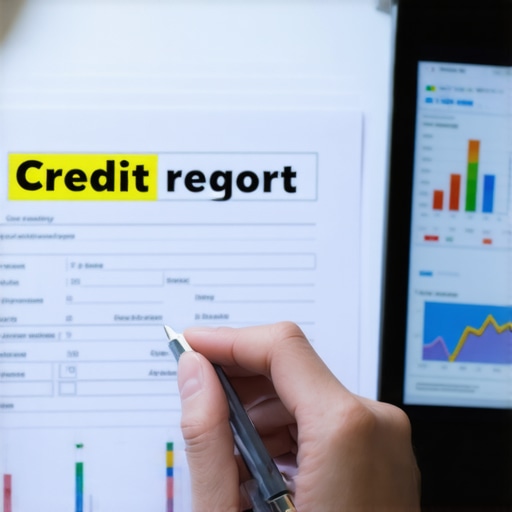
If you’ve ever felt that sinking sensation in your stomach after checking your credit report, you’re not alone. I remember the frustration of seeing a slight dip in my score right after applying for a new credit card—only to realize I had unintentionally sabotaged my chances for better loan terms. That moment was a lightbulb for me: credit inquiries aren’t just numbers; they’re strategic signals that can make or break your lending prospects.
Why Your Credit Inquiry Status Could Be Sabotaging Your Financial Goals
It turns out, many people overlook the true impact these small hard pulls have on their credit profiles. As I delved deeper, I discovered that certain inquiries can linger on your report for up to two years, subtly influencing lenders’ decisions. Think of credit inquiries like footprints—if you leave too many in a short period, lenders might think you’re desperate or overly risky. Interestingly, the Federal Trade Commission reports that, on average, inquiries account for around 10% of your credit scores, making them far more influential than most realize.
Is the Buzz About Inquiry Damage Overhyped?
When I first started learning about credit, I believed every inquiry would cause my score to tank overnight. I made the mistake of avoiding all new applications, which paradoxically hurt my report in other ways—like missing opportunities to diversify my credit mix. Early in my journey, I also learned that not all inquiries carry the same weight; shopping for the same type of loan within a tight window can actually be seen as a smart, rate-shopping tactic rather than a red flag. This nuance is often hidden behind the common advice to cut back on inquiries at all costs. Want to get your head around the real impact? Check out this guide on understanding credit errors and FICO factors.
So, if you’re worried that every application might ruin your chances, you’re not alone—but there’s hope. Understanding the mechanics of credit inquiries can empower you to make smarter decisions, avoid pitfalls, and strengthen your financial profile. Ready to uncover the truth and learn how to control the influence of inquiries on your score? Let’s dive into what really matters and how you can navigate this often-misunderstood aspect of credit management.
Begin by Reviewing Your Credit Reports Thoroughly
Before taking any action, access your credit reports from all three bureaus—Equifax, Experian, and TransUnion. Use this guide to identify inaccuracies, old accounts, or fraudulent entries. I once found a closed account listed as open, which was inflating my utilization ratio. Correcting this mistake drastically improved my score within weeks.
Dispute Errors Methodically to Remove Inaccuracies
Errors on your report are like weeds in a garden; they hinder growth. Start by gathering evidence—bank statements, payment records, or correspondence—that supports your claim. Use the evidence log system to organize your proof. When disputing, submit a clear, concise letter to each bureau, referencing your evidence. I once successfully removed a late payment that was due to a bank processing error, boosting my score by 50 points.
Leverage Disputes to Correct Critical Errors
Focus on high-impact mistakes like inaccurate account statuses or outdated debts. Disputing these errors with well-organized evidence can lead to swift deletions. This process is your secret weapon; I used it to challenge a duplicate entry, which resulted in a cleaner report and better FICO score. Consider consulting this resource for advanced dispute strategies.
Build Positive Credit Behavior That Lasts
Establishing good habits is the foundation of a healthy credit profile. Keep balances low—ideally below 30% of your limit—and avoid unnecessary hard inquiries by planning applications carefully. For example, I scheduled my car loan and credit card applications within a two-week window to minimize adverse inquiries, which was viewed favorably by lenders. Automate payments to prevent late payments, an action that I found crucial in maintaining my score. Using tools like an automatic bill pay system ensures consistency and reduces human error.
Strategic Use of Credit Boosts
Consider adding credit-building tools like secured cards or credit builder loans. These are like planting seeds for future growth. I opened a secured credit card with a small deposit; combined with on-time payments, it helped me establish a positive payment history. Additionally, maintaining a diverse mix of credit types can enhance your profile, but only do so if manageable. Remember, every new credit account is like a new footstep—each one should be deliberate, not frantic or excessive.
Regularly Monitor for Changes and Opportunities
Make it a habit to check your report every 30 days. I personally review my report through this routine to catch any sudden errors or suspicious activity early. Staying vigilant allows you to act swiftly, dispute inaccuracies, and adjust your strategies accordingly. Frequent monitoring is your shield against both errors and identity theft, which can cause scores to tumble unexpectedly.
Address Debt Strategically to Elevate Your Score
While paying down debt is generally good, focus on high-interest debts or those causing your utilization to spike. For instance, I targeted my credit cards with the highest balances first, paying them down to below 30%. This approach yielded quick FICO improvements. Avoid closing old accounts abruptly, as this can shorten your credit history and negatively impact your score. Instead, keep them active with small purchases and regular payments.
Fine-Tune Your Credit Use with Expert Techniques
Utilize proven tactics like requesting a credit limit increase without a hard inquiry or consolidating debts smartly. These methods are like tuning your engine for peak performance. I once requested a limit increase on my credit card, which was granted without a hard pull, reducing my utilization ratio instantly. If you’re unsure about complex changes, consult trusted resources like this guide for detailed instructions.
Maintain Persistence and Patience
Credit repair and building is a marathon, not a sprint. Regularly review your progress and adjust strategies as needed, like trimming a bonsai tree—constant care yields beauty over time. I experienced fluctuations, but by staying consistent with disputes, payments, and monitoring, my score steadily increased, opening doors to better financial opportunities. Remember, the key is persistent effort combined with informed decisions, which over time culminate in a robust credit profile.Many assume that fixing their credit simply involves disputing errors and paying down debts, but there are subtle nuances that can make or break your progress. Contrary to popular belief, not all errors are worth disputing, and understanding the hidden mechanics of FICO scoring can give you a strategic edge. For instance, did you know that some inaccuracies, if left unchallenged, can permanently lower your score by misrepresenting your creditworthiness? This guide reveals how to identify which errors are worth disputing and which are better left alone.
One common myth is that deleting every negative item will swiftly improve your score. In reality, removing outdated or incorrect accounts can sometimes have unintended consequences, like shortening your credit history or disrupting your credit mix. Advanced creditors recognize that your credit profile is a complex ecosystem, where the timing and sequence of repairs matter. Strategic disputes targeting high-impact errors can yield more substantial gains than trivial corrections. Mastering this approach involves understanding which disputes to prioritize and how to present your evidence effectively.
Beyond errors, many overlook the importance of nuanced behaviors like balancing your credit mix, utilizing small revolving accounts, or timing inquiries for maximum impact. For example, issuing multiple hard inquiries within a short window for rate shopping is often misunderstood—lobbyists encourage avoiding all inquiries, but experts know that credit scoring models treat multiple inquiries of the same type in a limited period favorably, as a sign of responsible shopping. This professional tip helps you leverage inquiry timing strategically.
How does the intricacy of FICO models affect your dispute strategy?
While many focus on quick fixes, building a resilient score requires deep insight into FICO’s evolving algorithms. Recent updates, such as FICO 10T, place increased emphasis on recent payment behavior and the timeliness of account activity. This means that paying off old collections might not boost your score as much as maintaining consistent, on-time payments and avoiding new derogatories. Recognizing these advanced nuances can help you craft a more effective, long-term credit improvement plan. For a detailed exploration of recent FICO changes, see this resource.
Remember, quick fixes can sometimes backfire if you don’t understand the intricate dance between your credit behaviors and scoring models. Focusing solely on dispute errors without considering the broader picture may lead to complacency, while strategic, informed actions can set you on a path toward sustained credit health. Do you often fall into the trap of oversimplifying credit repair? Share your experiences below, and let’s discuss how to master these subtle but critical details. To deepen your understanding, visit this comprehensive guide.
Tools I Trust to Keep Your Credit Building on Track
Maintaining and improving your credit profile over time requires more than just initial efforts—it’s about using the right tools consistently. Personally, I rely heavily on credit monitoring services that provide real-time updates and alerts. I prefer checking my report every 30 days through automated alerts, which helps me catch and dispute errors swiftly, preventing small issues from snowballing. Automated systems save me hours and keep my credit profile clean.
Another crucial resource I recommend is dispute management software. I use this evidence log system to organize proof for my disputes, making the process more efficient. It’s vital to have organized documentation readily available when your credit report contains inaccuracies or outdated information. This approach not only streamlines disputes but also boosts your success rate.
Leveraging Data to Improve FICO Scores
Understanding your credit scoring model is essential. I keep myself updated on FICO model updates to tailor my strategies effectively. For example, recent changes emphasize the importance of recent payment history more than ever. To stay proactive, I set calendar reminders to make small, timely payments that demonstrate consistent positive behavior—this is the fastest way to see score improvements.
Additionally, I use spreadsheet tracking for my debt payments and credit utilization. By visualizing this data, I ensure that my balances stay below 30%, and I avoid accidental overextension. Use formulas to monitor the impact of each payment and credit limit increase, empowering you to make smarter decisions. This habit is my secret to maintaining a healthy credit trajectory.
Where Do I See This Going Next? The Future of Credit Management
As automation and AI advance, I predict a shift toward highly personalized credit strategies. Tools will analyze your entire financial footprint, offering tailored recommendations to optimize your FICO score in real-time. Expect more apps to incorporate dispute automation and predictive analytics, enabling us to fix errors faster and build credit more efficiently. Staying ahead of these trends means embracing technology now—test out features like monthly report checks and dispute proofs to enhance your strategy.
How do I maintain credit health as I go long-term?
Consistency is key. I make it a point to review my credit at least once a month using trusted tools, dispute errors promptly, and keep my balances low. Incorporate automated payments and regular credit checks into your routine; this habits create a resilient profile that withstands financial ups and downs. For more advanced tactics, dive into this comprehensive blueprint. And I recommend trying out automated monitoring and dispute alerts—these are game changers for long-term success. Remember, maintaining your credit isn’t a one-time effort; it’s an ongoing process supported by the right tools and habits.
The Hardest Lesson I Learned About Credit Building
One of my most profound realizations was that not all credit inquiries impact scores equally; shopping smart within a narrow window can be beneficial rather than harmful. Recognizing this nuance saved me from unnecessary score drops and helped me leverage inquiries strategically. Additionally, I learned that maintaining a diverse credit mix, like combining installment loans and revolving credit, can give your score an unexpected boost, but only if managed carefully.
Must-Have Tools That Elevated My Credit Game
Using dispute management software transformed my ability to organize evidence efficiently, making disputes more successful. I also rely heavily on automated credit monitoring services to catch errors promptly. These tools are my secret weapons for maintaining a healthy credit profile and ensuring my efforts are consistent and informed.
Embrace the Challenge: Your Credit Future Awaits
Building and repairing credit is more than a checklist; it’s a journey that rewards persistence and intentional actions. Every small step—whether disputing an error or reducing your utilization—compound over time. Remember, your credit profile is a reflection of your financial habits; make it a source of pride and opportunity. Take action today, stay diligent, and watch your financial opportunities expand. Ready to redefine your credit destiny? Share your experience or questions below, and let’s navigate this path together.