

I remember sitting in a stiff leather chair, wearing a suit that smelled faintly of dry cleaner chemicals, waiting for the call that would change my life. I had aced three rounds of interviews for a senior management role. My references were glowing. I was so confident I’d already started looking at apartments closer to the new office. Then, the silence started. Three days of radio silence turned into a week. Finally, a generic ‘thanks, but no thanks’ email hit my inbox. I was devastated and, frankly, confused. It wasn’t until months later that a mentor in the industry let it slip: the background check flagged a series of late payments on a credit card I’d closed three years prior. A simple reporting error had painted me as financially unstable. I felt like a total amateur for not seeing it coming.
Today, I’m going to help you avoid that same gut-punch. We are going to look at exactly why your financial history is now a resume requirement and how you can clean up the mess before a recruiter ever sees it. If you have been following the habit of checking your reports every 30 days, you are already ahead of the game, but a job hunt requires a much deeper dive.
Stop Letting an Old Error Kill Your Career Opportunities
You might think your work experience speaks for itself, but many employers view your credit file as a window into your character. It’s not just about how much you owe; it’s about your reliability. When I missed that error on my own report, I realized that HR departments weren’t looking for a perfect 850 score—they were looking for red flags like collections or active disputes. If you find a mistake, you need to know how FICO trended data works so you can explain any fluctuations. According to a study by the Society for Human Resource Management (SHRM), nearly 31% of employers conduct credit background checks for certain positions to prevent theft or embezzlement. I learned the hard way that a ‘mixed file’—where someone else’s debt shows up on your report—can happen to anyone. If you’re in that boat, make sure you have the three essential documents needed to clear a mixed file before you even send out your first application. Have you ever been blindsided by a background check during a job hunt? Tell me your story in the comments below; I’d love to hear how you handled it.
Does a Potential Boss Really Care About My Student Loans?
It is a common fear, especially with the rising cost of education. Most employers aren’t going to hold standard student loan debt against you. What they are looking for is a pattern of negligence. If those loans are in default, that is a different story. They want to see that you are proactive. Before you walk into that interview, you should audit your own report for common mistakes that could signal a lack of attention to detail. My mistake was assuming that because I paid my bills on time, my report was clean. It wasn’t. Checking your report isn’t just about the numbers; it’s about making sure the story your data tells matches the professional image you’ve worked so hard to build.
Grab Your Reports and Look for These Red Flags
Think of your credit report as a legal discovery process where you are both the detective and the defense attorney. You cannot fix what you cannot see. Start by pulling all three reports because what shows up on Experian might not exist on TransUnion. I once missed a ‘charge-off’ that only appeared on Equifax, and it cost me a security clearance. Once you have them, you need to learn how to audit your credit report for hidden reporting errors that most people overlook, like incorrect account statuses or wrong dates of last activity. These dates are the ‘expiration dates’ of your debt, and if they are wrong, your score stays suppressed longer than legally allowed. For a streamlined approach, I highly recommend using the DIY credit repair checklist that outperforms paid services. It’s what I used to systematically scrub my own file without spending a fortune on agencies that often do less work than you can do yourself.
Avoid the Easy Dispute Button Trap
It is incredibly tempting to click that big ‘Dispute’ button on a credit monitoring app. Don’t do it. When you use those built-in tools, you often waive your right to re-dispute the item later or to sue the bureau if they fail to investigate properly. These buttons trigger an automated system that reduces your complex financial history into a two-digit code. If you want to win, you have to understand why you should never use the online dispute button. I learned this the hard way when I tried to fix a $50 medical bill online; the system ‘verified’ it in seconds because the AI didn’t actually look at my payment receipt. To get results, you need to know how to stop AI from automatically rejecting your dispute letter by using specific phrasing and physical evidence that forces a manual eyes-on review.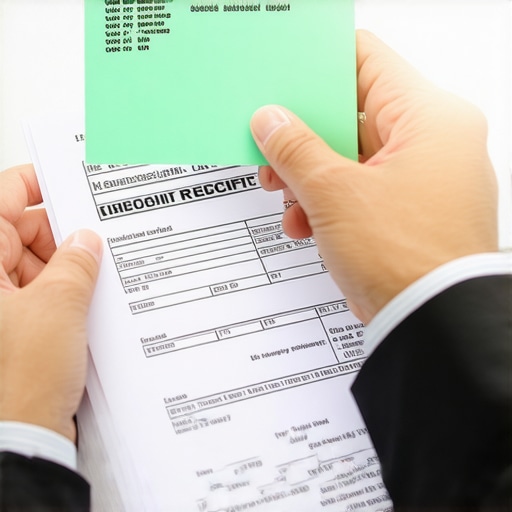
Force a Human Review With Physical Evidence
Imagine you are trying to convince a judge you didn’t commit a crime, but you only send a text message. That is what an online dispute is. To get a real person at the credit bureau to look at your file, you must provide ‘The Smoking Gun.’ This means sending bank statements, cancelled checks, or letters from the original creditor. You need to gather the documentation that forces a bureau manual review. In my case, I had to find a paper statement from five years ago to prove an account was closed at a zero balance. It felt like a chore, but that single piece of paper was worth a 40-point jump in my FICO score.
Put the Clock on Your Side with Certified Mail
Once you have your evidence and your letter ready, never trust the standard post. You need a paper trail. I always tell people that you should always send dispute letters via certified mail with a return receipt requested. This starts a legal clock. The bureaus have 30 days to investigate. If they don’t respond and you have that green signature card in your hand, you have the leverage to demand a deletion. This is about taking control of the narrative before an HR director sees a version of you that simply isn’t true.Most people assume that a ‘perfect’ credit report means carrying exactly zero debt across every account. It sounds logical, right? If you owe nothing, you are the perfect borrower. But in my years of digging through FICO algorithms, I’ve found that why a zero balance is not always the best for your FICO score often surprises people. The system actually penalizes you for ‘lack of recent revolving activity’ if every single card shows a $0 balance. To maximize your points, you need to use how a 10 dollar balance can protect your credit score from dropping. This keeps the account active and shows the algorithm you can handle credit without overextending. It’s a nuance that separates the 740s from the 800s. Have you ever noticed your score dip when you thought you were doing everything right? Let me know in the comments.
Why Did My FICO Score Drop After I Paid Off the Debt?
This is the ultimate ‘oops’ factor that drives people crazy. You settle an old collection, thinking you’re clearing the air, only to see your score plummet 30 points the next day. This happens because why paying off a collection could actually drop your score is tied to how the bureaus update the ‘date of last activity.’ By paying it, you’ve essentially woken up a sleeping giant, making an old, stagnant negative item look like fresh, recent delinquency. According to a report by the Consumer Financial Protection Bureau (CFPB), the lack of manual oversight in automated reporting systems is a leading cause of these unfair score drops. If you are going to pay an old debt, you must ensure you have a written ‘pay for delete’ agreement first, or you might be making your professional profile look worse to a potential employer.
Build a Bulletproof Evidence Log for Your Disputes
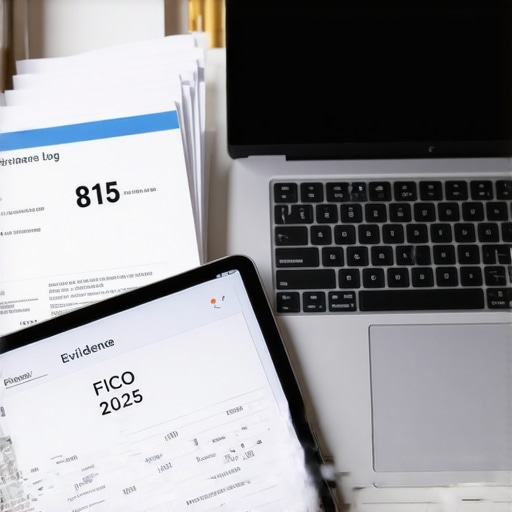
If you’re serious about mastering FICO proven strategies to improve your credit dispute score, you have to stop thinking like a victim and start thinking like a litigator. The bureaus are looking for any excuse to label your claim as ‘frivolous’ and brush it off. To stop them in their tracks, you need to maintain the evidence log that forces a bureau manual review. This log should include every phone call timestamp, the name of every representative you spoke with, and physical photocopies of every piece of mail.  When you can prove that you’ve tried to resolve the issue with the original creditor and they failed to update the bureau, you transition from a generic ‘disputer’ to a claimant with legal standing. The secret isn’t just sending a letter; it’s the quality of the data you attach. In my experience, a signed letter from a bank manager on corporate letterhead carries ten times the weight of a simple bank statement. This is how you shift from a generic dispute to a targeted, successful correction that actually moves the needle on your career and your financial future. Have you ever fallen into this trap where paying off debt hurt you? Let me know your experience below.
Once you have cleared the major hurdles of cleaning up your profile, the game changes from frantic repair to strategic maintenance. I have realized over the years that the most successful people do not just fix a mistake and walk away; they build a system to ensure it never happens again. For me, that meant moving away from free monitoring apps that prioritize selling you credit cards over protecting your data. Instead, I transitioned to a localized, encrypted drive where I store every monthly statement and every dispute letter ever sent. This ‘War Room’ approach is exactly what mastering FICO proven strategies to improve your credit dispute score looks like in the real world. I track my scores using a dedicated spreadsheet that logs the date of every inquiry, ensuring I never exceed three hard pulls in a rolling twelve-month period.
My Secret Weapon for Long-Term FICO Excellence
The tools you use define your speed. While many people wait for a notification from a banking app, I prefer to check the source. I use a specific digital filing system where I scan every certified mail receipt and match it to the bureau’s response. This level of organization might seem obsessive, but when you are dealing with automated systems, being the person with the most data usually wins the argument. By implementing effective dispute error resolution to boost your credit score in 2025, you shift from being a passive observer to an active manager of your financial reputation. I have found that a simple physical folder for your ‘green cards’ (certified mail receipts) is worth its weight in gold when a bureau claims they never received your evidence.
How do I keep my score high for the next decade?
Maintenance is less about massive moves and more about the boring, repetitive habits. To stay in the elite tier, you must adopt the habit that keeps your FICO score above 780 every month: the 1% utilization rule. I set a calendar reminder for the three days before my statement closing date to ensure my balances are nearly zero, but not quite. This prevents the algorithm from thinking my cards are dormant. Remember, the truth about how often your FICO score actually updates is that it depends on when your individual creditors report, not just a once-a-month refresh. By timing your payments to the statement date rather than the due date, you control the data the bureaus see.
Prepare for the Shift Toward Trended Data
The future of credit is moving away from static snapshots. According to Tom Quinn, Vice President of Scores at FICO, the move toward trended data models like FICO 10T means lenders are now looking at your behavior over a 24-month window rather than just your current balance. This is why understanding the logic behind the FICO 10T trended data shift is critical for anyone planning to buy a home or scale their business credit in the next few years. They want to see if you are paying down debt or just moving it around. As AI continues to integrate into the bureaus’ verification processes, the only way to stay ahead is to maintain a flawless paper trail that a human can easily verify. I predict that within five years, those without a organized evidence log will find it nearly impossible to overturn automated errors. My advice? Start your digital evidence vault tonight. It is the single most important step you can take to protect your future self from the same gut-punch I felt all those years ago in that leather chair.
The Hardest Lesson I Learned While Scrubbing My File
Early on, I thought credit repair was just about outsmarting a machine. I was wrong. It is actually about out-documenting a bureaucratic system that is designed for speed, not accuracy. Here are a few lightbulb moments from my own journey: First, accuracy is a legal right, not a favor; if you approach a dispute like you are asking for a handout, you will likely lose. Second, the biggest lie in the industry is that ‘quick fixes’ are permanent; true credit building takes time because you are proving to lenders that your behavior has fundamentally changed. Finally, a human eyes-on review is your best friend. While most people fear a manual check, I crave it because a real person can see that a five-year-old error shouldn’t be blocking your career growth.
Where I Turn When the Bureaus Fight Back
To truly stay ahead of the game, you need more than just a free monitoring app. I rely on the ultimate guide to dispute errors and credit building in 2025 to keep my repair strategies current and legally sound. #IMAGE_PLACE_HOLDER_E# Beyond that, I keep a physical ‘Green Card’ folder for my certified mail receipts—this is your insurance policy against a bureau claiming they never heard from you. I also recommend keeping the documentation that forces a bureau to manually verify your data in a dedicated digital vault. This includes your bank-signed letters and original payment receipts, which are far more powerful than any automated dispute code.
Don’t Let Your Past Dictate Your Future
It is easy to feel like you are just a number in a massive database, but the law is actually on your side. By mastering FICO proven strategies to improve your credit dispute score, you are taking back the narrative of your professional life. Don’t wait for a background check rejection letter to start this process. The best time to fix an error was yesterday, but the second best time is right now. You have the tools, the evidence, and the legal right to a clean report. Now, go out there and build the professional future you deserve. Have you ever found an error on your report that you only noticed right before an important job interview or life event? Let me know how you handled it in the comments below.