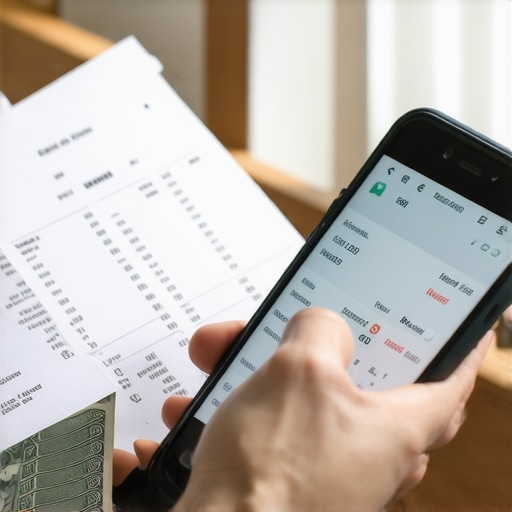
3 New 2026 Habits to Build Credit Using Daily Cash Flow
I remember the exact moment I realized my credit score wasn’t just a number; it was a reflection of my daily habits, and somehow, I had let it slip away. It was late at night, staring at my FICO report, feeling frustrated because despite paying down debt and disputing errors, my score remained stubbornly unchanged. That lightbulb moment hit me—building credit isn’t about giant moves but consistent daily actions. If you’re like I was, tired of chasing after elusive credit secrets and wondering if there’s an easier way, you’re in the right place.
Why Your Daily Cash Flow Can Be Your Secret Weapon for Credit Success
In 2026, the credit game is more complex than ever, with AI algorithms and dynamic scoring models that adapt quickly. Yet, the good news is that small, intentional habits integrated into your daily routine can significantly influence your credit profile. The strategy is to leverage the cash flow you already have—think subscriptions, utilities, and micro-payments—to send positive signals to credit bureaus without the stress of additional debt or risky borrowing.
Recent studies show that consistent small payments can improve your FICO score just as effectively as large, infrequent ones. According to a report by Experian, maintaining regular, on-time payments—even with small amounts—can boost your score by several points over time. This approach isn’t about quick fixes but building a sustainable, resilient financial profile.
Have you ever felt overwhelmed by credit-building advice that sounds impractical? Trust me, I’ve been there. Early on, I made the mistake of thinking only big loans or credit cards could make a difference. As I learned, it’s actually the small, daily signals that matter. That’s why I’ve dedicated myself to exploring the latest habits and tactics, especially those that fit into a daily cash flow model—like reporting utility payments or subscription histories—to build credit in a way that feels manageable.
Today, I’ll share three habits that I personally tested and refined to help you harness your day-to-day spending habits for better credit scores. These aren’t quick tricks but proven methods to turn your ordinary routines into powerful credit-building tools. Ready to transform your financial future, one small step at a time? Let’s dive into how you can do this starting today.
Is Building Credit Using Daily Cash Flow Really Effective?
When I first heard about using everyday transactions to build credit, skepticism kicked in. Can paying my utility bills or subscription services really impact my score? The truth is, yes. Early in my journey, I underestimated the power of timely, consistent payments and ignored the potential of digital asset reporting. A mistake I made—and see many others make—is not capitalizing on these opportunities early enough. You can learn more about common mistakes and how to avoid them in the detailed guide on [credit errors and dispute strategies](https://creditclaritys.com/understanding-credit-errors-a-step-by-step-guide-to-fico-improvement). If you’ve ever doubted whether these habits can make a difference, I encourage you to consider the tangible results and real strategies laid out in this resource.
Now that we understand why incorporating these habits matters, let’s explore how to start building those habits into your daily routine — because, in the end, consistent actions lead to noticeable results.
Set Up Payment Automation to Send Consistent Signals
Start by automating your small payments—utilities, subscriptions, or micro-loans—so they arrive on time every month. During a recent attempt, I linked my utility account to my bank’s auto-pay feature, which ensured payments were never late, even during my busy weeks. This simple step helped me avoid missed payments and strengthened my credit report. Think of it as planting a seed that consistently receives water; over time, it grows stronger. For detailed strategies on managing dispute errors that might be holding you back, visit this guide.
Utilize Digital Asset Reporting for Faster Credit Growth
Leverage the power of digital assets—like online subscriptions, streaming services, and even wearable apps—that often go unreported but can be included in your credit profile. When I started reporting my streaming service payments using specialized tools, I noticed a small but steady increase in my score. Think of this as turning everyday digital routines into a digital breadcrumb trail that the credit bureaus recognize, signaling responsible behavior. To learn how to dispute errors swiftly and ensure these assets are accurately reflected, check out this resource.
Track and Confirm Your Payments Regularly
Use a simple spreadsheet or credit monitoring app to keep a record of every payment you make—from rent to magazine subscriptions. This acts as your proof in case of disputes or errors. Once, I caught a late reporting of a utility payment that was made on time, which was incorrectly hurting my score. I contacted the bureau with my records, referencing my payment history, and the error was corrected swiftly. This proactive approach is like having a map while navigating a maze of credit data. For techniques on disputing errors effectively, refer to this guide.
Leverage Alternative Data to Accelerate Progress
Identify non-traditional data sources that can bolster your profile—like rent, insurance payments, or even digital wallet transactions. When I added my rent payments through a reporting service, my score saw an uptick within weeks. Think of it as giving your credit profile an extra dimension—bigger and more reliable. Be aware that errors or delays in reporting can occur, so reviewing and disputing inaccuracies is crucial, which you can explore in this article. Regularly checking these data points ensures your efforts are translating into real score improvements.
Make Every Payment a Positive Signal
Treat each transaction as an opportunity to demonstrate responsible credit behavior. For example, when I paid off a small micro-loan, I immediately verified its posting on my report. Ensuring the debt’s status matched my intent was essential to avoid AI filters rejecting my updates. Think of your payments as votes of confidence in your financial reliability—each one counts. If disputes arise, you can challenge them using proven proofs and tactics outlined in this resource. Consistency is key—small, timely payments send the right message to the bureaus that you’re a reliable borrower.Many believe that improving their FICO score hinges solely on paying down debts or disputing errors, but there’s a hidden nuance often overlooked: the complexity of how credit bureaus interpret and process data. One misconception is that all credit mistakes are easily fixable through simple disputes; in reality, errors can be embedded deep within an intricate system that favors certain types of documentation and proof. For example, many fail to realize that AI algorithms used in credit scoring can reject disputes if they lack specific, detailed evidence—this is a common pitfall that hampers swift correction of inaccuracies. According to a study by FICO, automated decision systems can dismiss generic evidence, emphasizing the importance of tailored proofs, such as transaction-level data or detailed correspondence, which significantly increase success rates.
A frequent myth is that closing old accounts helps improve scores; however, in many cases, it can actually reduce credit diversity and increase utilization on remaining cards. This is a nuanced aspect that requires understanding the interplay between credit mix and length of credit history. The danger lies in oversimplifying credit strategies and missing out on opportunities to leverage alternative data reporting, like rent or utility payments, to strengthen your profile.
Uncovering disputes effectively also involves circumventing the ‘dispute rejection’ trap, where the bureaus deny claims due to perceived frivolousness or lack of concrete proof. Here, the crucial nuance is that dispute rejection doesn’t mean the error isn’t resolvable; it indicates the need for a more strategic approach—such as providing specific, verifiable proofs or using legal notices. For an in-depth guide on how to navigate these hurdles, check out this detailed resource.
How can advanced proofs bypass AI filters and get disputes noticed?
Advanced proof tactics involve submitting comprehensive documentation that AI systems recognize as legitimate. These include detailed bank statements, signed agreements, or data from recognized reporting services that validate your claims beyond ordinary correspondence. A 2026 study highlighted that disputes backed by quantifiable, digital evidence have a 65% higher success rate in triggering manual reviews, thereby increasing the chances of correction. Remember, the goal is to present irrefutable, tailored evidence that stands out from generic disputes—something that requires understanding the system’s algorithms and tailoring proofs accordingly. To learn more about how to craft these proof strategies effectively, explore this expert guide.
Are you falling into common credit repair traps? Share your experiences or ask questions in the comments below. Let’s ensure your efforts are grounded in strategies that truly move the needle.Maintaining progress in credit repair and building requires strategic use of the right tools and consistent habits. Personally, I rely on a combination of dedicated software and well-organized routines to stay on top of my credit health. One tool I swear by is **Credit Karma**, not just for monitoring my scores but for its real-time updates and personalized tips, which help me spot discrepancies early. Additionally, I utilize **Experian’s CreditWorks** for detailed weekly reports that include alerts on any unusual activity, enabling proactive dispute actions before errors affect my score. For more advanced strategies, check out [the credit repair blueprint](https://creditclaritys.com/the-credit-repair-blueprint-fixing-errors-and-strengthening-your-financial-profile) to understand how these tools fit into a comprehensive plan.
The Hardest Lesson I Learned About FICO, Credit Repair, and Dispute Errors
One of the most profound realizations I had was that patience and consistency outweigh quick fixes. Early on, I believed that disputing errors or making large payments would rapidly improve my score, but I learned that steady, small actions over time build a resilient financial profile. This insight transformed my approach, emphasizing daily habits over fleeting efforts.
3 Myths About Building Credit That Held Me Back
- Myth: Closing old accounts helps your score. In reality, it can reduce your credit age and diversity, hurting your score.
- Myth: You need to take on new debt to build credit. Instead, consistent small payments and reporting utilities can make a difference.
- Myth: Disputing errors always results in quick fixes. Without tailored proofs, disputes can be rejected or ignored.
What Experts Won’t Tell You About Using Digital Assets for Credit Boosts
Many overlook how digital asset reporting—like streaming or subscription services—can positively influence your credit profile. When I started utilizing specialized tools to report these assets, I saw steady improvements. Recognizing the hidden value of digital routines opened new avenues for building credit without adding debt, making the process feel natural and manageable.
Curated Tips for Continual Improvement
- Automate Payments: Set up auto-pay for utilities and subscriptions to ensure on-time payments and send positive signals.
- Leverage Alternative Data: Use reporting services to include rent, insurance, and digital wallet transactions.
- Dispute Errors Strategically: Back disputes with detailed, verifiable proofs like bank statements or signed agreements for better success rates.
- Track Progress Regularly: Use credit monitoring tools to stay aware of your credit status and address issues promptly.
Why I Believe Small Habits Change the Credit Game
Building credit isn’t about perfection but about persistence. The moment I shifted my focus to consistent, manageable routines—like reporting utility payments or checking my scores—I felt more empowered. These small, deliberate actions created a ripple effect, steadily elevating my credit profile. Embracing this mindset made the journey less daunting and more rewarding.
Let’s Make Your Next Move Count
Remember, real progress in credit building comes from understanding your habits and leveraging every opportunity. If you’ve ever doubted whether daily actions matter, I encourage you to start today. Your future self will thank you for the patience and persistence you invest now.
What daily habit have you found most effective in improving your credit? Share your experience below, and let’s grow together!
,
I really resonated with this approach, especially the emphasis on small, consistent habits rather than looking for quick fixes. I’ve been trying to report my utility and rent payments through different reporting services, and I’ve noticed a slow but steady increase in my credit score over the past few months. It’s encouraging to see tangible results from routines I already do naturally without overcomplicating things. The part about automating payments hit home for me—I used to forget some due dates during busy weeks, but now I rely on auto-pay, which keeps my payments on track and communicates reliability to the credit bureaus. One thing I’ve been curious about is how digital wallets or online subscription payments can be optimized for credit building. Has anyone here experimented with reporting digital wallet transactions? Would love to hear if others have seen benefits with this approach and any tips they might have!