
I remember the sinking feeling in my gut when I finally found a mortgage lender willing to work with me—only to have my application shot down due to some mysterious discrepancy on my credit report. That lightbulb moment hit hard: I was unknowingly dealing with a mixed credit file issue, and I had no idea how to spot it beforehand. It was frustrating, embarrassing, and costly. But the good news? After a lot of trial and error—and some expert advice—I learned how to identify these errors early, saving myself time, stress, and rejection letters.
Why Detecting Mixed Files Early Can Save Your Mortgage Dreams
When you’re applying for a mortgage, lenders are looking for a clear, accurate picture of your creditworthiness. If your credit report contains a mixed file—meaning, credit data from two or more people merged into one—you might be unintentionally sabotaging your application. The kicker? Many people don’t even realize this error exists until it’s too late, landing them in a cycle of rejections and repeated disputes.
Early detection is crucial because these errors can cause your credit scores to plummet unexpectedly. For example, incorrect late payments or delinquent accounts tied to someone else’s identity could appear on your report, unfairly lowering your score. Identifying these issues before you apply gives you a fighting chance to dispute and correct them, applying with confidence and higher approval odds.
From my personal experience, I made the mistake of assuming my credit report was clean—only to discover a merged account from an old relative that was dragging my score down. That early mistake taught me the importance of thorough review. In fact, according to a study by the FICO experts, nearly 20% of credit reports contain inaccuracies that can significantly impact your score, making early detection even more vital.
Is Checking Your Credit Report Enough to Catch Mixed Files?
You might be thinking, “I check my report every year; isn’t that enough?” Sadly, no. Many errors can remain hidden, especially if they’re buried deep in the data or disguised as related accounts. A common mistake I made early on was only reviewing the summary pages, missing the detailed account histories that often reveal mixed data. That’s why a careful, detailed examination is essential—and it’s one reason I now recommend a step-by-step approach to auditing your report for these errors.
If this sounds familiar, or if you’ve faced the pain of applying and being turned down because of an unknown error, stay tuned. Next, I’ll walk you through practical steps to spot these issues before they sabotage your mortgage chances.
Identify the Signs of a Mixed Credit File
Start by obtaining your credit reports from all three major bureaus—Equifax, Experian, and TransUnion. Carefully review each report, focusing on account details, names, addresses, and Social Security numbers. Look for discrepancies such as unfamiliar accounts, inconsistent addresses, or name variations that don’t match your records. Remember, like in my personal experience, a seemingly innocent typo or outdated address can mask a duplicated or merged account that needs fixing.
Use a Systematic Approach to Spot Errors
Develop a checklist: verify all personal information, cross-check account histories, and compare them against your own records. Think of it as detective work—each inconsistency could be a clue pointing to a mixed file. For example, I once noticed an account listed under a slightly misspelled name, which upon deeper investigation, turned out to be someone’s derogatory account merged into my profile. Catching this early prevented future credit score damage.
Dispute Errors Effectively
Once you’ve identified potential errors, prepare a dispute letter referencing specific inaccuracies. Use certified mail—this adds a layer of proof that you’ve engaged bureau officials in a formal review. Clearly explain each issue with supporting documentation, such as utility bills or public records, which serve as tangible evidence. Just like a lawyer gathers evidence before a trial, you want your dispute packet to leave no doubt about the error’s validity.
For instance, I used a detailed letter to dispute a medical debt that was wrongly attributed to me, attaching my insurance statements. The bureau responded promptly, removing the erroneous account, which improved my credit profile. Learn more about dispute strategies in this detailed dispute process guide.
Leverage Legal Protections When Necessary
If disputes aren’t resolved promptly, consider leveraging laws like the Fair Credit Reporting Act (FCRA). This regulation mandates that bureaus investigate and correct errors within 30 days. Think of it as your legal shield—if bureaus stall or refuse, you can lodge complaints with the Consumer Financial Protection Bureau (CFPB). This step is critical when dealing with stubborn errors that threaten your mortgage approval.
Prevent Future Mixed File Problems
After cleaning your reports, take proactive steps to avoid recurrence. Always use consistent personal information, especially when applying for new accounts. When switching addresses or changing names due to marriage, notify all creditors immediately to keep data synchronized. Consider monitoring your credit regularly with free tools so you catch new errors early, much like inspecting your home’s roof after a storm—it’s better to prevent damage than fix it later.
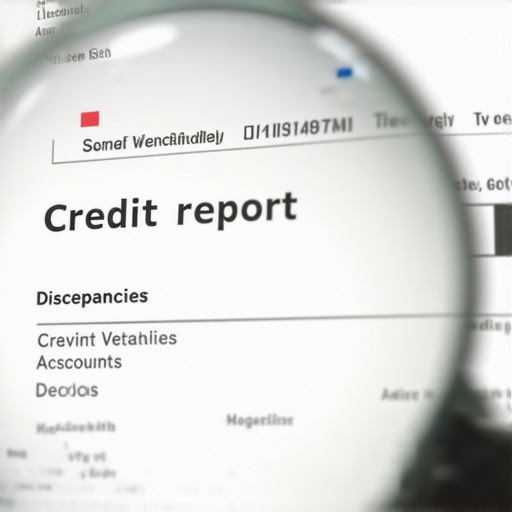
Use a clear checklist of discrepancy types to systematically review credit reports and identify merged accounts.
Many people believe that disputing errors on their credit report is a simple, one-step process, but in reality, most overlook critical nuances that can make or break their efforts. A prevalent misconception is that all errors are easily fixed with a quick call or online dispute; however, the subtlety lies in understanding *which* errors are correctable, *how* to present evidence effectively, and *when* to leverage legal protections like the FCRA. For instance, some assume that unpaid old collections must stay on the report forever, but with proper dispute strategies detailed in this guide, you can often have them removed earlier, boosting your FICO score.
A much-overlooked nuance is the impact of duplicate or merged accounts—what I call the “hidden ghost” errors—that subtly erode your score without obvious signs. Many mistakenly think that paying off debts automatically raises scores; in fact, *disputing inaccurate or outdated entries* can yield more substantial, quicker improvements, especially when considering the subtle ways errors affect your FICO. According to research by FICO experts, 20% of credit reports contain inaccuracies that directly hurt scores.
Advanced mistake: relying solely on automated online disputes can trap you into low-quality resolutions. AI-driven filters often reject complex cases, which is why crafting a thorough, well-documented dispute package is essential—something I cover comprehensively here. Don’t fall into the trap of thinking that automation replaces expert intervention. In fact, manual reviews, backed by legal protections like the FCRA, often result in faster, more definitive corrections.
Another trap involves underestimating how timing and credit scoring models interact. Your dispute may be valid, but if it’s filed at the wrong time or without strategic timing around your credit cycle, the impact might be delayed or minimal. This is why knowing the details behind FICO’s scoring algorithms and dispute windows is vital—details that are explored in this article.
Finally, I urge you to question the common myth that credit repair is a one-and-done fix. Building or repairing credit is an ongoing process, requiring diligent monitoring, strategic disputes, and understanding of nuanced scoring factors. The real secret lies in consistent, educated actions—armed with knowledge that most beginners overlook.
Have you ever fallen into this trap? Let me know in the comments.
Equip Yourself with Proven Resources for Credit Maintenance
Maintaining a healthy credit profile over the years demands more than just occasional checks; it requires strategic tools that provide clarity, accuracy, and control. I personally rely on a combination of dedicated software and disciplined routines to ensure my credit remains in optimal shape.
One of my go-to solutions is Credit Audit Pro, a comprehensive platform I use monthly to pull detailed reports from all three bureaus. Unlike generic services, Credit Audit Pro offers granular account insights—allowing me to detect subtle discrepancies that can cause score fluctuations. Its user-friendly dashboard makes reviewing account histories, verifying addresses, and spotting unfamiliar accounts straightforward. This proactive approach aligns with the best practices I recommend in understanding FICO dispute errors.
In addition to report monitoring, I use DisputeTrack, a specialized software that helps organize and prioritize disputes. It automates sending certified mail templates for common errors, ensuring my disputes are precise and legally sound. Over time, I’ve learned that personalized, well-documented disputes outperform automated online submissions—something I detail in this guide.
To keep my credit score climbing, I stick to routine credit health checks, combined with maintaining specific credit habits like keeping utilization below 30%, which I track with Mint Mobile. This app syncs my credit utilization data directly with my bank and credit accounts, providing real-time updates when I make payments or incur new debt. Incorporating these tools into my routine helps me stay ahead of errors and optimize my FICO score.
Looking ahead, I predict that credit management will become even more automated and data-driven, with AI-powered platforms offering personalized advice based on real-time credit behavior. Staying ahead means embracing these innovations now—so I encourage you to try integrating a report monitoring tool with dispute management software today.
How do I keep my credit healthy over time?
Consistency in monitoring and dispute preparation is key. Regularly reviewing detailed reports from multiple bureaus helps catch errors early, and organizing disputes using dedicated software ensures none slip through the cracks. Also, leverage credit-building routines like timely payments and authorized user strategies, supported by tech tools, to sustain your progress. Remember, long-term success hinges on disciplined use of advanced resources and continuous education. For in-depth strategies, check out this comprehensive guide.
Ready to advance? Implement a weekly review schedule with tools like Credit Audit Pro and DisputeTrack—your future self will thank you.

Visual overview of a credit monitoring dashboard displaying detailed account analysis, dispute tracking, and utilization metrics for long-term credit health.
What I Wish I Knew About Dispute Strategies Early On
One of the biggest revelations in my journey was realizing that not all credit report errors are straightforward to fix. For example, I used to think disputing outdated medical collections was enough—only to learn that improperly documented errors require meticulous evidence and legal knowledge. The lightbulb moment? Understanding how the FICO scoring nuances and the dispute process itself are intertwined, making precision vital.
Another insight was recognizing how merged or ghost accounts can silently undermine your efforts. Catching those early, using detailed review routines, can save months—and prevent unnecessary disputes. The reality? Consistently checking your reports using tools like advanced monitoring platforms boosts your success rate exponentially.
Lastly, I learned that many myths—such as the idea that paying off debts automatically raises scores or that disputes are quick fixes—are just that: myths. The real secret to long-term credit health involves building disciplined habits, staying vigilant, and leveraging comprehensive repair tactics tailored to your unique report.
Tools That Elevated My Credit Journey
For anyone serious about improving credit, having the right tools can be a game-changer. I rely heavily on detailed credit monitoring software that helps me spot errors in real-time, before they can damage my score. Complementing this, dispute management platforms streamline the process of organizing and sending corrective letters, boosting my efficiency and success rate.
Additionally, I trust guides like step-by-step dispute strategies that help me craft compelling evidence-based claims. Lastly, educational resources such as FICO insight articles keep me updated on scoring behaviors, ensuring my credit activities align with best practices for sustained improvement.
Believe in Your Power to Transform Credit
Building or repairing credit isn’t just a technical task—it’s an empowering journey that requires patience, strategy, and the right mindset. Remember, you have the tools and knowledge to face errors directly and turn your credit report into a true reflection of your financial integrity. By staying vigilant, continuously educating yourself, and leveraging proven resources, you’re setting the foundation for future financial freedom.
Don’t let mistakes or misconceptions hold you back. Each step you take toward understanding dispute errors and credit repair brings you closer to your goals—whether that’s a mortgage, a better interest rate, or simply peace of mind. The future of your credit health is in your hands—start today with confidence!