

I remember the sick feeling in my stomach when I logged into my online banking app and saw that my credit limit had dropped by a third overnight.>No warning, no explanation—just a sudden squeeze on my available credit. It wasn’t just the inconvenience; it was the realization that my credit profile was more vulnerable than I had thought. This happens more often than many realize, and honestly, it can feel like a personal attack when it occurs unexpectedly. But here’s the truth: understanding why your credit card company lowers your limit can empower you to take control and protect your financial future.
Don’t Let Hidden Changes Sabotage Your Credit Goals
Many people, myself included at first, think that credit limits are set and stay steady unless you request a change. What I didn’t understand early on is that credit card issuers frequently adjust limits based on their own algorithms, which consider factors like your payment history, recent activity, or even an unintentional slip like a missed payment. These changes can happen without any notice, and if you’re not prepared, they can damage your credit utilization ratio—a key element in your FICO score. This realization was eye-opening and made me revisit all my habits, realizing I had overlooked some warning signs.
Is a Sudden Limit Drop Actually as Bad as It Feels?
When I first faced this, I was frustrated and worried about my credit scores plummeting. I had made the mistake of not regularly monitoring my credit reports, and I believed that a limit reduction would indefinitely harm my profile. It was a misconception. In fact, credit scoring models are designed to adapt, and even with a lower limit, strategic credit management can compensate and even improve scoring over time. Understanding the underlying reasons and how to address them is critical. To learn more about common credit errors and how they impact your FICO score, check out [this comprehensive guide](https://creditclaritys.com/understanding-credit-errors-a-step-by-step-guide-to-fico-improvement). Knowledge is power, and my journey taught me that early mistakes—like ignoring changes or not disputing errors—can be corrected with the right approach. Stay tuned as we dive into actionable steps to regain control and ensure your credit profile works for you, not against you.
Spot the Cause of Limit Reductions
Start by reviewing your recent credit activity and payment history. A sudden limit drop often results from missed payments, high credit utilization, or negative marks like collections. Use your credit reports from all three bureaus to identify discrepancies or errors—these can unfairly trigger limit reductions. To efficiently detect inaccuracies, consult this step-by-step dispute guide. Remember, an error on your report can be a quick fix if addressed correctly.
Address Errors Quickly and Efficiently
If you find inaccuracies or outdated information, dispute them immediately. File disputes online or via certified mail, clearly outlining the mistake—such as outdated collections or wrong account details. Document all communications and keep copies of your dispute letters. When disputing, focus on robust evidence like bank statements or paid-in-full letters; this strengthens your case and accelerates resolution. For comprehensive tips on correcting errors effectively, see credit repair tips for dispute errors. Disputing errors isn’t just about fixing mistakes but also about ensuring your credit reflects your true actions, which can prevent unwarranted limit drops.
Implement Strategies to Improve Your Score
Next, work on enhancing your credit profile through targeted actions. Maintain low credit utilization by staying under 30% of your total credit limit—use this method to leverage small balances for more favorable scores. Regularly pay bills on time; consider setting up automatic payments to avoid slips. Moreover, diversify your credit mix responsibly, as varied types of credit can boost your score. The key is consistency—small, disciplined steps compound over time. For expert advice, check this guide on fast credit building and error correction techniques.
Use Strategic Credit Actions to Bounce Back
If a recent limit reduction is hurting your credit utilization ratio, consider requesting a credit limit increase on your existing card—this can boost your score without card application inquiries. However, do so cautiously; avoid hard inquiries if your credit is already fragile. Alternatively, opening a secured card or becoming an authorized user on a trusted family member’s account can swiftly rebuild your credit profile. Remember, every action should align with your long-term goal of higher score stability. For detailed tactics, explore these strategies designed for quick improvements.
Monitor and Adjust Continually
Finally, consistency in credit monitoring ensures that you catch future issues early. Use free or paid tools to track your credit scores and report updates monthly. This proactive approach allows you to respond swiftly to unexpected changes and maintain healthy credit habits. If unexpected drops happen again, revisit your reports, dispute inaccuracies, and adapt your credit utilization strategies. Remember, reclaiming control over your credit profile is an ongoing process, but understanding these core techniques makes it manageable and empowering.
Many believe that maintaining a perfect payment history is the sole key to building excellent credit, but in reality, this is just one piece of a much larger puzzle. A common myth is that disputing every negative item on your credit report will automatically boost your score; however, some disputes can harm your credit if not handled correctly, especially if you lack understanding of the dispute process. For example, disputing valid but outdated information without proper documentation may lead to unnecessary inquiries or even temporary score dips. Moreover, some assume that paying off collections instantly restores credit health, but the reality is more nuanced. Certain collections, especially paid or unpaid medical bills, may remain on your report and continue to influence your score negatively, unless properly resolved through verified removal strategies. This highlights the importance of mastering effective dispute errors techniques and understanding how different types of negative marks impact your credit profile.
Is It Better to Dispute Errors Online or Through Traditional Methods?
Many think online disputes are always faster and more convenient, but studies indicate that disputes initiated via certified mail with documented evidence have higher success rates, especially for complex errors like identity theft or sophisticated inaccuracies. External research from credit repair experts emphasizes that a well-documented dispute can lead to more favorable and lasting corrections, ultimately improving your FICO score more effectively. Check out this guide for detailed strategies on optimizing dispute processes. Remember, rushing through disputes without gathering the right evidence can lead to miscommunication, delays, or even worse credit impacts. Patience and thoroughness are key when correcting errors on your credit report.Maintaining a strong credit profile over time requires consistency, the right tools, and strategic adjustments. Personally, I rely heavily on **credit monitoring services like Experian and Credit Karma**, which provide real-time updates on my credit scores and reports. These platforms are invaluable for catching errors early and understanding how recent activities influence my score. For instance, I’ve set up alerts for any new inquiries or changes in account statuses, allowing me to respond swiftly and dispute inaccuracies before they cause long-term damage.
Another tool I swear by is **auto-pay systems** integrated with my bank accounts. Automated payments ensure I never miss a due date, a critical factor in preserving a good payment history—arguably the most significant component of your FICO score. I also use **credit utilization management apps**, which analyze my balances across all cards and suggest ways to keep my usage below the 30% threshold, thereby optimizing my credit utilization ratio.
How do I maintain credit health over time
Regularly reviewing my reports for discrepancies is a habit I’ve cultivated, and I recommend doing so at least quarterly. This helps me identify outdated or erroneous information that could negatively impact my score. For example, by disputing an incorrectly reported late payment using the strategies outlined in this resource, I’ve recovered hundreds of points in the past.
When scaling my credit profile, I focus on diversifying my credit mix. I add secured credit cards or small personal loans responsibly, which not only boosts my credit diversity but also signals creditworthiness to lenders. In the future, I predict that AI-driven credit management tools will become more sophisticated, offering personalized recommendations that adapt to your financial behavior in real-time, making ongoing maintenance even more manageable.<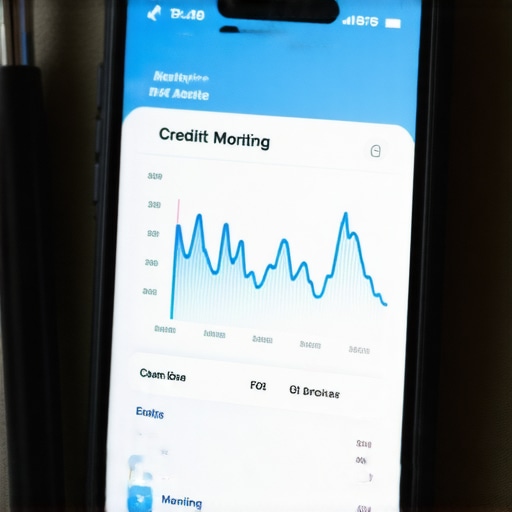 >Using these tools, combined with disciplined habits like automatic payments and regular report checks, has transformed my approach from reactive to proactive. This helps me sustain a healthy credit profile, prepare for major financial milestones, and respond promptly to any negative signals that might appear. If you haven’t yet, I suggest trying out a combination of credit alerts and automated balance management applets—these small adjustments can make a big difference in your long-term credit health. For in-depth insights on dispute errors and how to correct them, check out this guide.
What I Wish I Knew Before Diving into Credit Repair
One of the most eye-opening lessons I learned was that not every credit dispute is worth the time; some corrections can actually harm your score if not handled carefully. Patience and proper documentation are essential, as rushing can lead to unintended consequences. Additionally, I realized that diversifying my credit mix and maintaining disciplined habits outweigh quick fixes, emphasizing the importance of a long-term strategy over temporary gains.
Another insight was understanding the power of proactive monitoring. Using tools like credit repair secrets taught me that catching errors early prevents significant damage. Finally, I learned that building credibility with lenders involves consistent, responsible credit usage—small steps today set the foundation for a stronger financial future tomorrow.
Resources That Changed My Credit Perspective
My go-to toolkit includes step-by-step dispute guides that demystify the process of correcting errors with confidence. The guide on building credit from scratch provided practical tips that accelerated my progress. Additionally, I trust expert strategies on boosting FICO scores, which offer actionable advice for sustained improvement. These resources have empowered me to take control and make informed decisions about my credit health.
Seize Control and Shape Your Credit Future
Your credit journey is uniquely yours, and every positive step brings you closer to financial independence. Remember, understanding the nuances of dispute errors, maintaining disciplined habits, and leveraging trusted resources can transform your credit profile. Don’t wait for problems to escalate—take proactive measures today to build the credit legacy you deserve. The power to improve your financial standing is within reach, and your future self will thank you for the action you start now.