
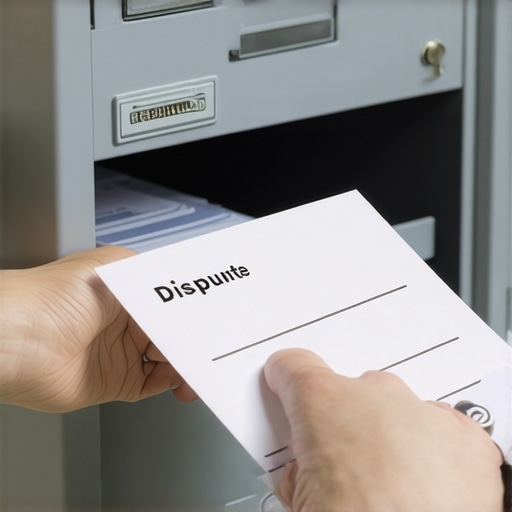
I remember the sinking feeling when I realized that I was flooding Equifax with the same dispute letter, hoping that sheer volume would somehow erase my credit report errors. It was like shouting into a void, expecting a different result. That lightbulb moment hit hard: I was wasting time and risking my credibility by relying on generic dispute letters. If you’ve ever felt frustrated seeing minimal change despite your efforts, you’re not alone.
The Real Problem with Blanket Disputes and Why It Matters
Is Sending Mass Dispute Letters Backfiring on Your Credit Score?
Many folks, myself included early on, think that a quick, generic dispute letter to all negative items will speed up credit repair. But the truth is, this approach often leads nowhere. Credit bureaus like Equifax are more sophisticated than simple data collectors—they’re looking for details, context, and specific evidence. Sending the same generic letter repeatedly can come across as spam, and it can even slow down your progress. In fact, I learned the hard way that hitting the dispute button without tailored evidence can irritate the bureaus, making them less inclined to remove incorrect items.
Beyond wasting time, this tactic can damage your credibility, especially when you need to prove genuine errors. It’s similar to applying the wrong key to a lock; it just won’t open, no matter how many times you try. Instead, focusing on precise, well-supported disputes can actually improve your chances of clearing inaccurate or outdated data. For a detailed guide on how to craft effective disputes, check out [this comprehensive resource](https://creditclaritys.com/dispute-errors-on-your-credit-report-a-step-by-step-guide-for-2025).
Have you been sending out mass dispute letters and feeling stuck? If so, it might be time to change strategies. But before we jump into what works, let’s tackle a common skepticism—are all dispute efforts really worth it? Stay tuned, because understanding the nuances can save you months of frustration.
Gather Evidence to Build a Strong Dispute
Start by collecting documents that support your claim—pay stubs, bank statements, letters from creditors, or court records. Think of this step as gathering puzzle pieces; the more pieces you have, the clearer the picture becomes. For example, I once found an outdated debt on my report that I suspected was inaccurate. I pulled my bank statements showing the payment date, which contradicted the creditor’s report. Including such evidence made my dispute more compelling and increased my chances of success. Visit this guide for detailed instructions on what supporting documents to gather.
Create a Tailored, Clear Dispute Letter
Craft each dispute letter specifically addressing the error. Avoid generic templates; instead, clearly identify the mistaken entry, provide your evidence, and politely request correction. Imagine explaining a mistake to a friend—be straightforward and precise. In my case, I wrote explicitly: “On my bank statement dated March 15, 2023, my payment of $150 was processed, which conflicts with the reported late payment in April 2023.” This clarity prevented confusion and made it easier for the bureaus to verify your claims. Check out these tips for crafting effective dispute letters.
Send Dispute Letters Using Proper Channels
Always send your dispute through secure, trackable methods—preferably certified mail with delivery confirmation. This acts like a receipt proving you took action. I once sent disputes via certified mail, which gave me proof of submission and date. This documentation became vital when I needed to escalate my case. Avoid sending disputes via email or unsecured channels, as these can lead to lost or unacknowledged requests. For detailed guidance, see this article about best practices for dispute submission.
Follow Up and Keep Track of Results
Monitor your credit report after 30 days to see if the inaccuracies are corrected. Use the free reports from each bureau—Equifax, Experian, and TransUnion—and document any changes. If no correction occurs, follow up with a secondary dispute, referencing your initial proof. Think of this as being persistent—like knocking on a door until someone answers. I used a tracking spreadsheet to record dates, letters sent, and responses received, which kept me organized and ready to escalate if needed. For tips on managing this process, visit this resource.
Escalate When Necessary
If your disputes are ignored or denied unjustly, escalate by filing complaints with the Consumer Financial Protection Bureau or considering legal action. Sometimes, involving a third party can prompt quicker resolution. Remember, persistence and thorough documentation are key. This approach has helped many, including myself, turn frustrating errors into positive credit adjustments. To understand how disputes influence your FICO score, see this guide.
 Many people believe credit repair is simply about disputing inaccurate items on their report, but this oversimplifies a complex process that requires strategic nuance. A common myth is that frequent disputes always improve your score; in reality, aggressive disputes without strong evidence can backfire, signaling to lenders that you might be hiding something. Advanced credit repair involves understanding the intricacies of how FICO scores are calculated, especially the impact of specific errors, such as outdated information or misclassified accounts, which can cause more damage than overt negative marks.
One often-overlooked nuance is the importance of the timing and sequence of disputes. Initiating multiple disputes in a short period can appear suspicious to bureaus and potentially lower your score temporarily. According to FICO’s scoring model insights, the key is to prioritize errors most detrimental to your score and dispute them selectively, allowing your credit profile to gradually improve without triggering red flags. For example, correcting a major error like a wrongly reported collection or charge-off has a more substantial impact than minor late payments. To master this, consult this expert guide on optimizing dispute strategies with FICO insights.
Many people also get caught in the trap of believing that paying off debts immediately will boost their score; however, the timing of payments and account age can influence FICO calculations significantly. Closing old accounts or making large payments right before applying for a loan can temporarily lower your score due to changes in your credit mix and utilization ratios. Avoid these pitfalls by understanding how different scoring factors interplay. For deeper understanding, review this article on credit building and FICO optimization. Whether you’re disputing errors or building new credit, recognizing these hidden nuances can be your secret weapon. Don’t let myths and misconceptions hold you back from reaching your financial goals. Have you ever fallen into this trap? Let me know in the comments.To keep your credit repair efforts on track over the long term, leveraging the right tools and establishing effective routines are crucial. Personal finance professionals like myself rely on a combination of specialized software and disciplined practices to sustain improvements and prevent setbacks. One tool I personally swear by is **Credit Karma** for regularly monitoring my credit scores and report changes. Its free, real-time updates help catch errors early and understand how your actions influence your FICO scores. Additionally, I use **Experian’s credit monitoring service** for deeper insights, especially since Experian reports often contain unique data points affecting your score. Regularly reviewing these reports enables me to identify and dispute inaccuracies proactively, preventing minor errors from becoming detrimental over time.
How do I maintain credit progress over time?
Developing a habit of quarterly reviews is one of the most effective strategies. During these reviews, I cross-reference my reports with my financial activities—such as payments, balances, and new accounts—to ensure consistency. Automating alerts through apps like **Mint** or **Personal Capital** also helps track account balances and payment due dates, reducing the risk of missed payments or overutilization, which can harm your score. Incorporating your credit management into your broader financial routine ensures you stay vigilant.
Another essential practice is to set up **dispute alerts** using tools like **ScoreMaster** or **CreditRepair.com**, which notify you when changes occur in your reports. These services often include dispute management features, making it easier to address discrepancies promptly. I recommend maintaining a **dispute log**—a simple spreadsheet detailing dispute dates, target items, evidence, and outcomes. This keeps your process organized and helps you identify patterns or recurring errors, which are common pitfalls when mistakes persist unnoticed. You can read more about advanced dispute techniques in this comprehensive guide.
In the near future, I predict that AI-powered credit analytics will become more accessible, offering personalized recommendations to optimize your credit profile automatically. Using these tools smartly can save time and amplify results, making ongoing maintenance less burdensome. For now, sticking to proven methods—like regular monitoring, disciplined payments, and organized dispute records—remains essential. Start integrating these strategies today to sustain your credit health long-term; even a small adjustment, like setting up automated alerts, can make a significant difference. Want to explore how to leverage AI in your credit strategy? Check out this resource for upcoming innovations.
What I Wish I Knew When Starting Credit Repair
One of the biggest lessons I learned is that sending mass dispute letters without tailored evidence can backfire. I wasted months on generic requests, only to see minimal progress. Personalizing each dispute with clear proof made all the difference in improving my credit profile.
Another insight is the importance of timing. Disputing multiple items too quickly raised red flags with credit bureaus, sometimes causing scores to dip temporarily. Patience and strategic prioritization helped me create a sustainable repair plan.
Finally, I underestimated the power of organization. Maintaining detailed records of disputes, correspondence, and responses streamlined the entire process and prevented overlooked errors from slipping through the cracks. Using a simple spreadsheet kept me focused and efficient.