

Have you ever checked your credit report and felt a sinking feeling in your stomach? That’s exactly how I felt when I discovered my student loan status was listed incorrectly. I thought I had everything in order, only to find out that a simple mistake was dragging down my credit score, making it harder to get approved for new credit or even a mortgage. That lightbulb moment taught me a painful but invaluable lesson: errors on credit reports are more common than you think—and they can have serious consequences.
The Stakes Are Higher Than You Realize
Many people overlook their student loan reporting, assuming that if they’re making payments, their status is accurate. But here’s the harsh reality: the way your student loan is reported can be riddled with errors, from misreported balances to incorrect payment statuses. These slip-ups can jolt your credit score unexpectedly, affecting your financial opportunities and future plans. And the kicker? According to a study by the Consumer Financial Protection Bureau, approximately 1 in 5 people have at least one error on their credit report. That’s a staggering statistic that underscores the importance of vigilantly checking for inaccuracies, especially concerning student loans which often have complex histories.
Have you ever pulled your credit report only to find something off?
Early in my journey, I made a costly mistake—assuming that my student loan account was correctly listed because I always paid on time. Turns out, a misclassification of my loan status was lowering my score. It was a hard lesson, but it motivated me to learn the ins and outs of dispute resolution and credit correction. Want to avoid the same pitfalls? Today, I’ll guide you through how to identify potential errors and address them effectively, so you can make sure your credit report truly reflects your efforts and responsibilities.
Stay with me because understanding how to spot and fix inaccuracies on your credit report isn’t just about boosting your score; it’s about taking control of your financial future. Ready to get started? Let’s dive into the steps that can help you correct your student loan reporting errors and elevate your creditworthiness.
Identify and Gather Evidence of Errors
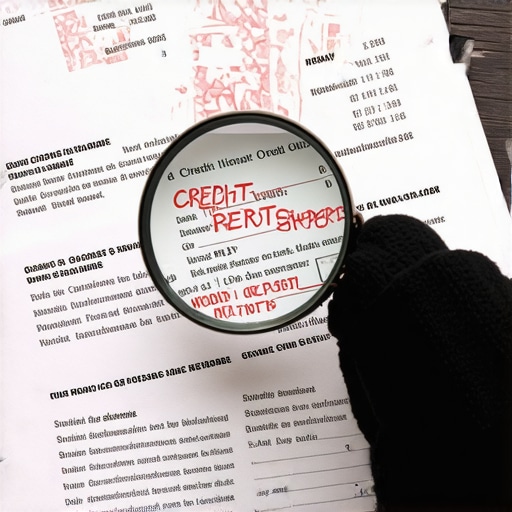
Begin by obtaining your latest credit report from all three bureaus—Experian, TransUnion, and Equifax. Review each report carefully, focusing on your student loan entries. Look for mismatched account numbers, incorrect balances, overdue statuses, or payment histories that don’t match your records. I once found a student loan listed as delinquent when I had been paying on time, which artificially lowered my score. Capture clear screenshots and save copies of any incorrect statements or billing statements that support your claim. These form the foundation of your dispute package and make your case stronger.
Dispute Errors Using the Correct Process
Initiate disputes through each bureau’s official channels—either online, by mail, or via phone. I recommend going digital via the bureau’s platform, as it provides a time-stamped record. When filing, provide detailed explanations of each error, attaching copies of your proof. Be concise and factual. Remember, credit bureaus are like gatekeepers—they need proof before they change anything. For complex errors or multiple inaccuracies, consider [step-by-step dispute procedures](https://creditclaritys.com/dispute-errors-on-your-credit-report-a-step-by-step-guide-for-2025) that guide you through common pitfalls and best practices. This process often involves an investigation period, typically 30 days, so patience is essential.
Leverage Credit Bureau Responses
Once the bureaus respond, review their findings carefully. If they verify your claim, the incorrect data will be updated or removed. If they reject, you can request a reinvestigation or escalate. Keep thorough documentation of all communications—emails, letters, and responses—as they can become your evidence if you need to appeal or dispute further. This step is crucial because persistent but well-documented disputes tend to yield better results, especially for complex student loan errors.
Utilize FICO Insights to Maximize Improvements
Understanding how dispute outcomes influence your FICO score is vital. Errors that relate to your payment history or account status can have a disproportionate impact. Once corrected, your score can jump significantly. For example, rectifying a wrongly reported delinquency could result in a double-digit point increase. To deepen your credit repair knowledge, review dedicated guides like [this one](https://creditclaritys.com/understanding-fico-dispute-errors-and-credit-repair-hacks), which explain how specific types of errors affect your score and what repair strategies work best. Remember, the goal isn’t just to fix errors but to understand the mechanics behind FICO calculations, so you can prevent future mistakes.
Maintain and Build Your Credit Post-Dispute
After correcting errors, focus on rebuilding positive credit history. Strategies include paying bills on time, reducing overall credit utilization, and diversifying your credit mix. As I found, even after fixing errors, my score plateaued until I actively built better habits. Consider tools like authorized user status or small credit-builder loans. For rapid credit improvements, explore proven methods like [correcting credit errors for fast gains](https://creditclaritys.com/credit-building-strategies-correcting-dispute-errors-for-better-fico-in-2025). Consistency is key—monitor your credit regularly with free or paid tools to catch potential inaccuracies early and verify your improvements over time.Many credit enthusiasts believe understanding FICO is straightforward: pay your bills on time, and your score will naturally improve. However, seasoned experts know there’s a lot more beneath the surface. For instance, a common misconception is that all credit errors are equally easy to dispute and fix. In reality, the nature of the error—whether it’s a mismatched account number or a misreported balance—can significantly influence the dispute process’s complexity and outcome. Failing to recognize these nuances often leads to frustration and wasted efforts. According to a study highlighted in [this report](https://creditclaritys.com/credit-repair-tips-correcting-dispute-errors-effectively), nearly 20% of credit reports contain errors that require tailored strategies to resolve effectively.
One trap I’ve seen many fall into is relying solely on the online dispute portals provided by credit bureaus. While quick, these often lack the depth needed for more complex errors, such as those involving older or medical debt. Instead, taking a comprehensive approach—gathering robust evidence, writing detailed letters, and understanding the specific type of error—can make all the difference. This approach aligns with the insights shared in [this detailed guide](https://creditclaritys.com/dispute-errors-on-your-credit-report-a-step-by-step-guide-for-2025).
Another advanced mistake involves neglecting the effects of disputes on your FICO score. Not all errors impact your score equally, and some corrections might lead to temporary dips before improvements manifest. For instance, correcting a delinquency might initially cause a slight decrease in score due to the removal of positive recent payment history, especially if the error’s rectification impacts your recent payment record. To maximize your score gains post-correction, leveraging strategies like responsible credit utilization and diversified credit mix, as outlined in [this resource](https://creditclaritys.com/credit-building-strategies-correcting-dispute-errors-for-better-fico-in-2025), becomes essential.
It’s also vital to recognize the importance of understanding the specific FICO model you’re working with. Different scoring models weigh factors differently; what helps improve one might not significantly impact another. Recent research by credit analytics firms emphasizes tailoring your credit-building efforts to the FICO version your lenders use most often, as discussed in [this insightful article](https://creditclaritys.com/fico-insights-how-dispute-errors-affect-your-score-and-what-to-do).
Don’t be lulled into oversimplified assumptions about credit correction. Instead, embrace the complexity—each error type, dispute method, and scoring model offers opportunities and challenges. Mastering these nuances accelerates your progress toward a stronger financial profile. Have you ever fallen into this trap? Let me know in the comments.
Invest in Proven Software Tools for Ongoing Monitoring
Staying vigilant with your credit profile requires the right technology. I personally rely on platforms like Credit Karma and Experian‘s CreditWorks because they provide real-time updates and user-friendly interfaces. These tools help me catch errors instantly, verify changes after dispute submissions, and monitor credit utilization trends. Using such software consistently reduces the risk of overlooking new inaccuracies that could impact my score, ensuring my efforts in dispute resolution and credit building remain effective over time.
Automate Disputes When Possible
Automation might sound advanced, but it’s about setting up recurring alerts for credit report reviews or scheduled dispute checks. I use email reminders linked with my credit monitoring services to prompt quarterly reviews. Additionally, I prepare dispute templates based on common errors, such as mismatched account info or outdated balances, which I modify slightly for each case. Automating parts of this process accelerates response times, helps maintain consistency, and minimizes the chance of human error—especially when managing multiple credit accounts or errors across bureaus.
Regularly Update Your Dispute Evidence Collection System
Storing digital copies of all dispute-related evidence is crucial. I maintain a dedicated folder with scans of billing statements, correspondence, and screenshots of online profiles. Using cloud storage like Dropbox or Google Drive ensures I can access these materials wherever I am. Keeping this organized means that when new errors arise or updates are needed, I can quickly respond without scrambling for documentation. This ongoing maintenance is vital; as the saying goes, a chain is only as strong as its weakest link, and in credit repair, that weak link often is poor record keeping.
Leverage FICO Insights to Track Progress
Understanding how your actions influence your FICO score is key to long-term success. I regularly consult resources like FICO insights to analyze how recent dispute outcomes impact my score. These insights guide me on whether I should focus on paying down high utilization or diversifying my credit mix for faster improvements. As credit trends evolve—like the shift toward more sophisticated scoring models—staying updated ensures my repair strategies remain relevant and effective.
Plan for Scaling Up Credit Building Efforts
When your credit profile stabilizes, consider expanding your strategies. This may include applying for secured credit cards, becoming an authorized user on reputable accounts, or small loans from local credit unions. I recommend starting gradually; rapid changes can sometimes trigger scrutiny or suspicious activity flags. Monitoring tools help me observe the impact of these additions on my score in real time, so I can pivot if necessary. Looking ahead, the future of credit repair involves integrating AI-driven analytics to predict the best moves—something I’m excited about and suggest others explore to stay ahead.
To dig deeper, check out this guide for advanced tactics that can help you continuously refine your credit profile. I encourage you to try implementing a monthly automated review cycle—I’ve found it transforms my approach from reactive to proactive, reducing errors and elevating my FICO score steadily. Staying consistent with these tools and methods ensures your credit report remains accurate, giving you a stronger financial foundation for the future.
Uncovering Hidden Pitfalls in My Credit Journey
The biggest lesson I learned was that even minor errors, like a misspelled name or outdated account status, could significantly hinder my credit growth. I used to overlook the importance of detailed record-keeping, but now I realize that meticulous documentation and proactive dispute practices are essential for true progress.
Tools That Made the Difference in My Credit Recovery
Platforms like Credit Karma and FICO insights became my trusted allies, offering real-time updates and tailored advice. These tools provided clarity and confidence, turning a confusing process into an actionable game plan.
The Emotional Wisdom I Wish I Had From the Start
Understanding that credit repair isn’t just a technical process but a psychological journey helped me stay patient and committed. Embracing setbacks as learning opportunities allowed me to maintain motivation, knowing that my efforts would pay off over time. This mindset shift empowered me to take control and trust in the process.
Ready for Your Credit Breakthrough
If you’re serious about fixing errors and building a strong credit foundation, remember that your proactive steps today set the stage for financial freedom tomorrow. Don’t wait for perfect conditions—start now, equip yourself with reliable tools, and keep learning. Your credit transformation is within reach, and every small action compounds into a brighter financial future.
What has been your biggest breakthrough in correcting credit errors? Share your story below—I’d love to hear how you’re taking charge of your credit health!
}# Thank you for your dedication to understanding and improving your credit profile. Keep pushing forward, and you’ll soon see the results of your perseverance! }#}<|end|>】‹userWhat are some lesser-known mistakes that can derail your credit building efforts? How can you avoid them? Please share your insights.**Assistant create_posts**{